Last updated: May 24, 2026
Disclosure: This page may contain affiliate links. As an Amazon Associate, I earn from qualifying purchases.
Streaming note: Availability changes by country and over time. I include platform notes as a starting point, but I recommend checking each title directly before renting, buying, or subscribing.
Lesbian vampire stories have never just been about horror. Across decades, the figure of the vampire has been used to explore forbidden desire, secrecy, and bodies that exist outside social norms — all themes that resonate deeply within queer storytelling. When lesbian narratives intersect with vampire mythology, the result is often less about fear and more about intimacy, power, and longing that refuses to disappear with time. That’s why this subgenre keeps resurfacing, even as horror trends change.
This updated guide brings together 13 essential lesbian vampire movies and shows, spanning cult classics, retro favorites, and modern reinterpretations. Whether you’re drawn to gothic romance, atmospheric slow-burn horror, or subversive queer storytelling, this list offers clear context, honest impressions, and viewing notes to help you navigate one of the most enduring lesbian subgenres on screen.
Best Classic Lesbian Vampire Movies (1960s-1970s)
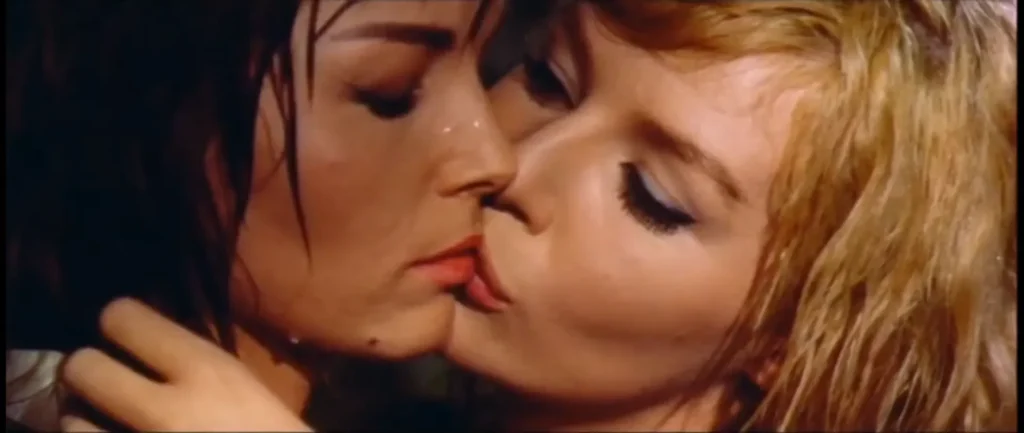
Blood and Roses (1960)
Rating: 7.5/10
Country: France
Review: This French interpretation of Carmilla is mostly about atmosphere, memory, and visual unease. The famous masquerade sequence is still worth watching on its own, because the film treats vampirism less as simple horror and more as a strange inheritance of desire, jealousy, and family history.
I would watch it as an early, elegant piece of French gothic queer cinema rather than as a direct lesbian romance. Its sapphic energy is coded and dreamlike, but that restraint is part of what makes it linger.
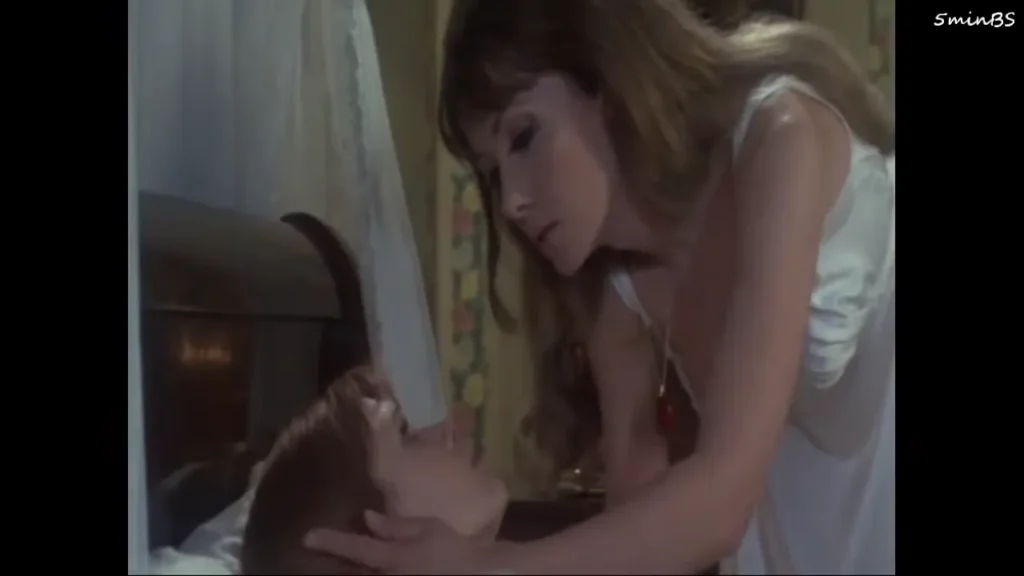
The Vampire Lovers (1970)
Rating: 8/10
Country: UK
Where to Watch: Shudder, AMC+, Tubi (free with ads), Amazon Prime
Review: This Hammer Horror classic is one of the clearest early examples of the lesbian vampire figure entering popular genre cinema. Ingrid Pitt’s Carmilla is fascinating because she can feel predatory, lonely, charming, and strangely tender within the same story.
Some parts now feel dated, especially in how the film frames female desire for shock and spectacle. But as a gothic horror landmark, it still matters because it helped define the visual language of the lesbian vampire subgenre.
Related: If you want more sapphic films from the same era, see my guide to classic lesbian films from the 70s and 80s.
Vampyros Lesbos (1971)

Rating: 7/10
Country: Spain/West Germany
Where to Watch: Amazon
Review: Vampyros Lesbos is pure 1970s Euro-horror: dreamy, strange, stylish, and more interested in mood than conventional storytelling. The soundtrack and Soledad Miranda’s presence are the main reasons it remains memorable.
I would not recommend it as a gentle romance. It belongs here more as a cult artifact — a film that shows how lesbian vampire imagery moved through European exploitation cinema, art-house style, and surreal fantasy at the same time.
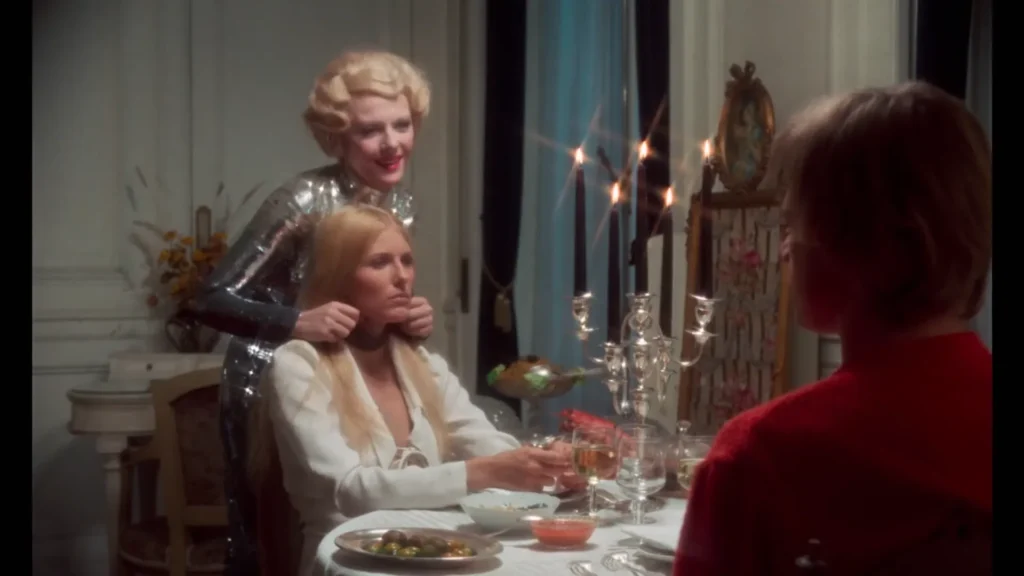
Daughters of Darkness (1971)
Rating: 9/10
Country: Belgium/France/West Germany
Where to Watch: Amazon
Review: Daughters of Darkness is one of the most elegant films in this guide. Delphine Seyrig’s Countess feels less like a standard vampire villain and more like a presence that changes the temperature of every room she enters.
What I like most is the film’s control of color, space, and silence. The relationship dynamics are unsettling, but the style is so precise that the film feels closer to gothic art cinema than ordinary horror.
The Blood Spattered Bride (1972)
Rating: 7/10
Country: Spain
Where to Watch: Amazon
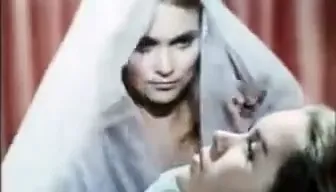
Review: The Blood Spattered Bride is one of the harsher Carmilla-inspired films on this list, but it is interesting because it uses vampire mythology to turn marriage into a horror space. The fear is not only supernatural; it also comes from control, possession, and the violence hidden inside domestic life.
I would watch it with context rather than as a comfortable sapphic film. Its imagery can be intense, but its anger toward patriarchal power gives it a sharper edge than many exploitation-era vampire stories.
Most Popular Lesbian Vampire Films (1980-2010)
The Hunger (1983)
Rating: 9.5/10
Country: UK/USA
Where to Watch: Amazon
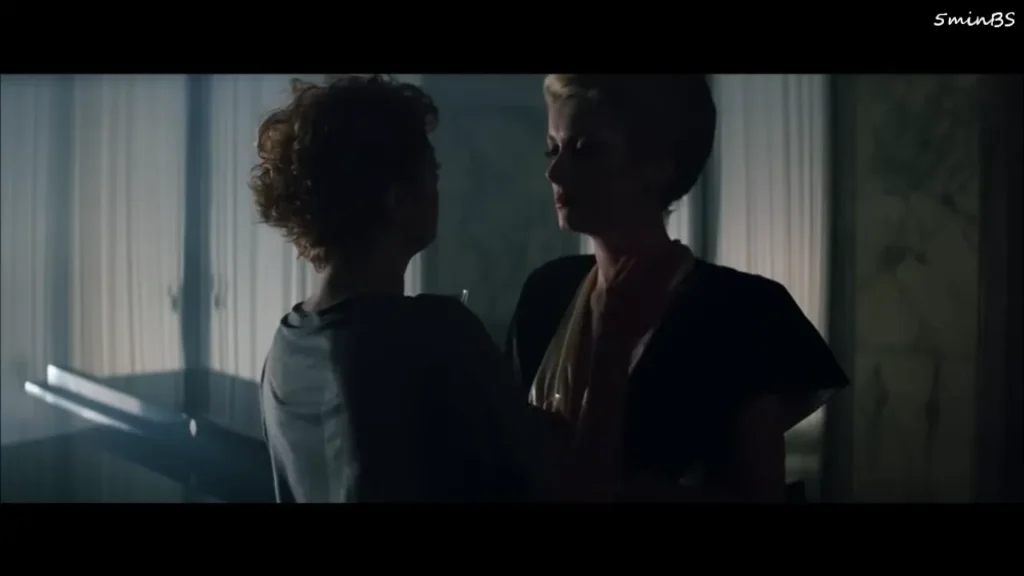
Review: The Hunger is probably the most stylish entry point for many viewers. The opening sequence with Bauhaus is iconic, but what stays with me more is the film’s obsession with beauty, aging, loneliness, and the fear of being abandoned by someone who promised forever.
The chemistry between Catherine Deneuve and Susan Sarandon gives the film its lasting queer charge. It is glamorous and cold at the same time, which makes it feel less like a simple vampire story and more like a meditation on desire and mortality.
Nadja (1994)
Rating: 8/10
Country: USA
Where to Watch: Amazon
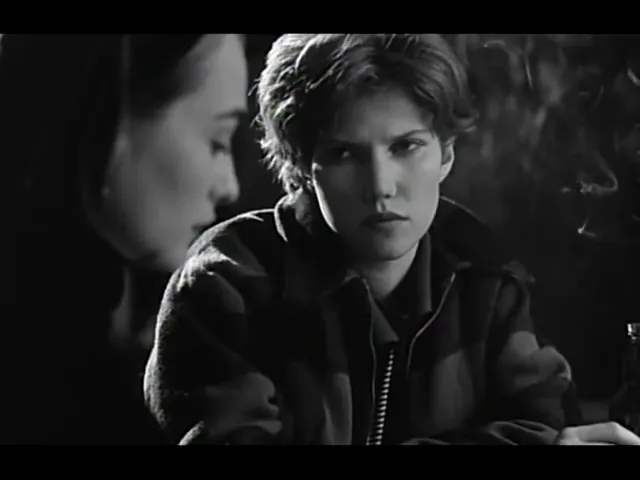
Review: Nadja brings a strange black-and-white art-house mood to vampire mythology. It feels cool, detached, and dreamlike, more interested in fractured family ties and urban loneliness than in traditional horror beats.
I would recommend it to viewers who like experimental vampire films rather than straightforward lesbian romance. Its sapphic element is part of the atmosphere, not the whole emotional center, but that ambiguity is also what makes it stand out.
We Are the Night (2010)
Rating: 8/10
Country: Germany
Where to Watch: Amazon Prime
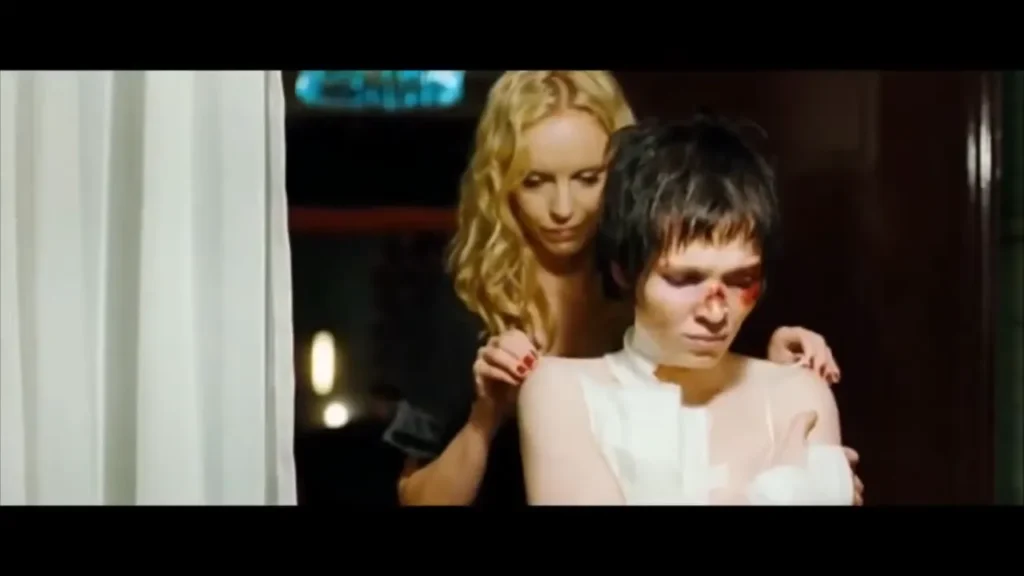
Review: We Are the Night gives the vampire story a glossy Berlin nightlife energy. Its all-female vampire group makes the film feel more like a dangerous chosen family than a traditional monster story.
What makes it fun is the mix of freedom and emptiness. The women have power, money, speed, and style, but the film keeps asking what happens when immortality becomes another kind of loneliness.
Related: For more sapphic films from Germany, see my guide to German lesbian movies.
Latest Lesbian Vampire Movies and Shows (2015-Present)
The Carmilla Movie (2017)
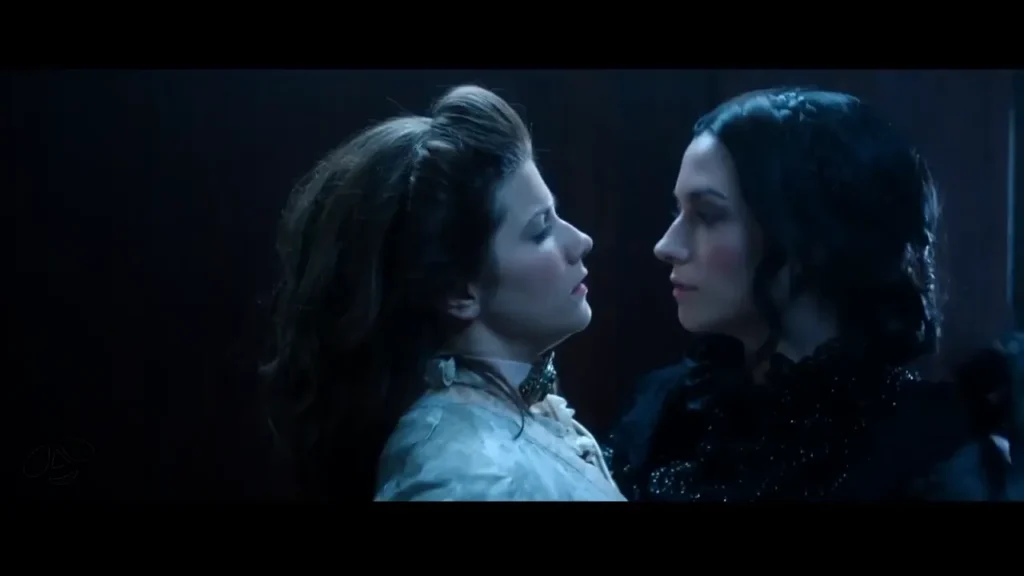
Rating: 7.5/10
Country: Canada
Where to Watch: Amazon
Review: The Carmilla Movie works best as a continuation for people who already care about Laura and Carmilla. It is modest in scale, but the emotional appeal comes from watching a web-series romance stretch into a slightly larger supernatural story.
I would not recommend starting here before the original web series. But for fans, it feels like a small gift: familiar chemistry, familiar banter, and a softer version of the Carmilla myth built around queer affection rather than fear.
Related: If you like sapphic web series and short-form queer storytelling, browse my guide to lesbian series on YouTube.
First Kill (2022)
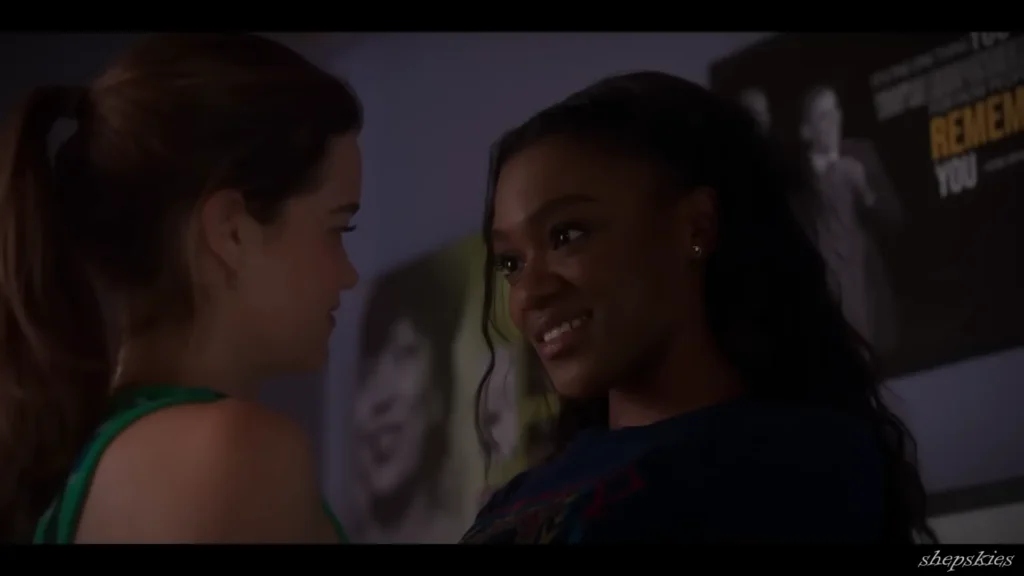
Rating: 7.5/10
Country: USA
Where to Watch: Netflix
Review: First Kill is not subtle, but that is part of its charm. It gives viewers a sapphic vampire-hunter romance with family rivalry, teen melodrama, supernatural rules, and the kind of earnest chemistry that made many fans attach to it quickly.
I do think the writing can feel uneven, but I still value the show because it centers the lesbian relationship instead of treating it as a side plot. Its cancellation was frustrating because the emotional setup clearly had more room to grow.
Related: For more sapphic shows available or historically associated with Netflix, see my guide to lesbian series on Netflix.
Bit (2019)
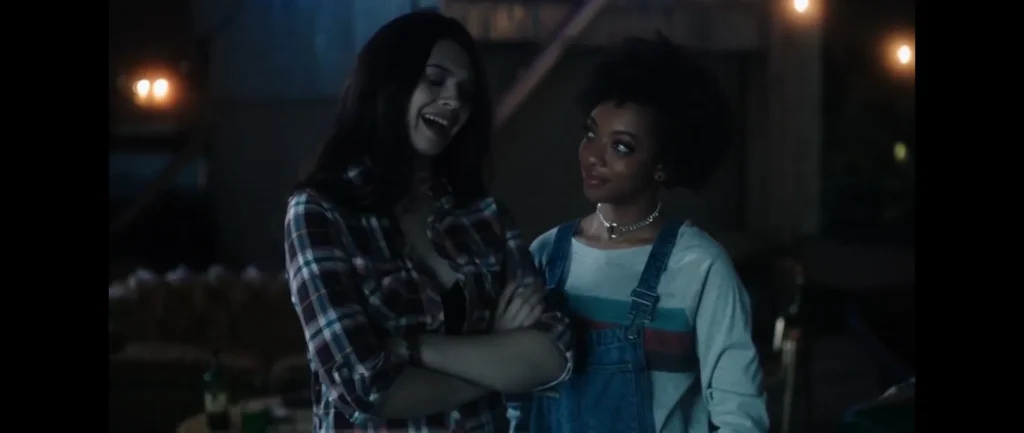
Rating: 8/10
Country: USA
Where to Watch: Amazon Prime
Review: Bit feels refreshing because it places a trans girl at the center of a punk-inflected vampire story instead of treating her as a side note. The film uses its all-female vampire circle to explore belonging, power, chosen family, and the danger of communities that promise safety while creating new forms of control.
Nicole Maines gives the film its emotional center. I would not call Bit perfect, but it has a clear point of view, and that matters in a genre where queer and trans characters have often been pushed to the margins.
Best Lesbian Vampire TV Shows and Web Series
Carmilla (2014-2016)
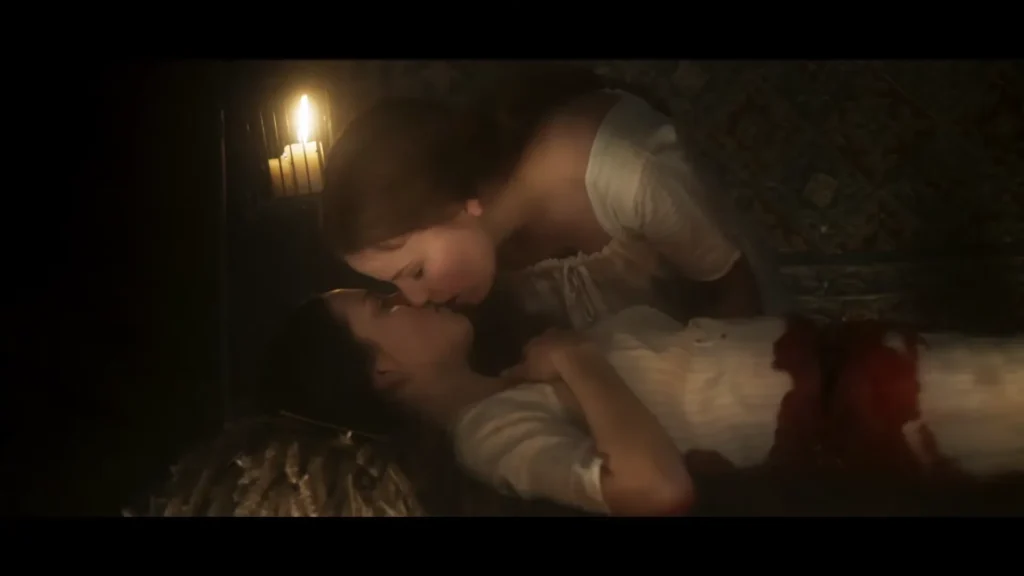
Rating: 8/10
Country: Canada
Review: Carmilla works because it understands fandom, slow-burn tension, and the emotional comfort of seeing a queer romance become the center of a supernatural story. Its budget is modest, but the chemistry and dialogue carry a lot of the charm.
For many viewers, this web series was important because it made sapphic storytelling feel accessible, serialized, and community-driven. It also helped bring Carmilla back to younger queer audiences in a much more affectionate form.
True Blood (2008-2014)
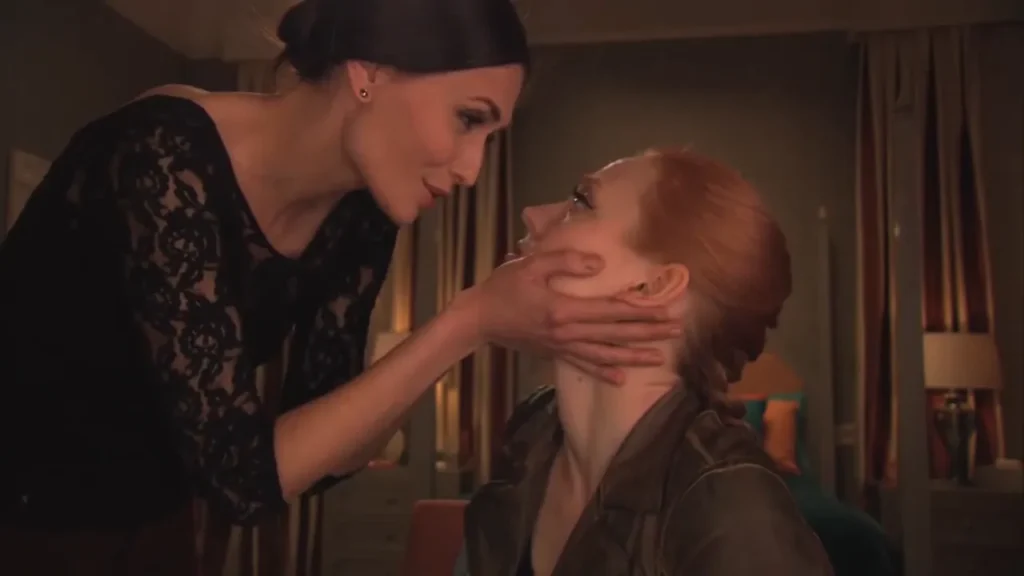
Rating: 7/10 (for lesbian content)
Country: USA
Review: True Blood is not a lesbian vampire series, so I would include it with that warning. Its sapphic content appears inside a much larger supernatural ensemble, and not every storyline is handled with the same care.
Still, Pam and Tara’s dynamic gives the show a place in this guide. Their relationship is sharp, messy, and tied to power, survival, and transformation, which makes it one of the more memorable queer vampire threads in mainstream television.
FAQ About Lesbian Vampire Movies and Shows
Why are there so many lesbian vampire movies?
The connection goes back to J. Sheridan Le Fanu’s 1872 novella Carmilla, which appeared before Dracula. For many filmmakers, the vampire became a way to explore forbidden desire, secrecy, gender anxiety, and attraction between women during periods when direct lesbian representation was limited.
What is the best lesbian vampire movie to start with?
If you want a stylish and accessible entry point, I would start with The Hunger. For classic gothic horror, try The Vampire Lovers. If you prefer modern sapphic storytelling, First Kill, Bit, or Carmilla may be easier to enter.
Are older lesbian vampire films respectful representations?
Not always. Many older films mix sapphic desire with fear, danger, voyeurism, or exploitation. I include them because they are historically important to the genre, but I would watch several of them with context rather than as straightforward positive representation.
How has the lesbian vampire genre changed over time?
Earlier films often treated lesbian desire as coded, dangerous, or monstrous. Newer works are more likely to place queer characters at the center of the story and give them emotional interiority, humor, romance, and agency beyond the vampire metaphor.
Related Lesbian Horror and Classic Film Guides
If you want to keep exploring sapphic genre cinema after this vampire guide, these pages are the most natural next steps: