
The Miseducation of Cameron Post is set in a Christian “conversion therapy” center in the 1990s. It follows Cameron (Chloë Grace Moretz), a teenager who is taken away after being outed. What should have been total anguish turns into a thoughtful, restrained, and occasionally funny picture of survival: making secret friends, minor rebellions, and the quiet grind of embracing who you are. Desiree Akhavan’s movie is more compassionate than didactic. It’s humorous at times and very insightful about pain. It’s a modern lesbian classic.
After she’s discovered kissing her girlfriend on prom night, Cameron Post is shipped to God’s Promise, a rural “rehabilitation” program run by the stern Dr. Lydia March and her brother Rick. Days fill with worksheets, testimonies, “iceberg” diagrams, prayer circles, and gender-role drills. At night, flashlights sweep the halls—privacy is rationed, desire pathologized.
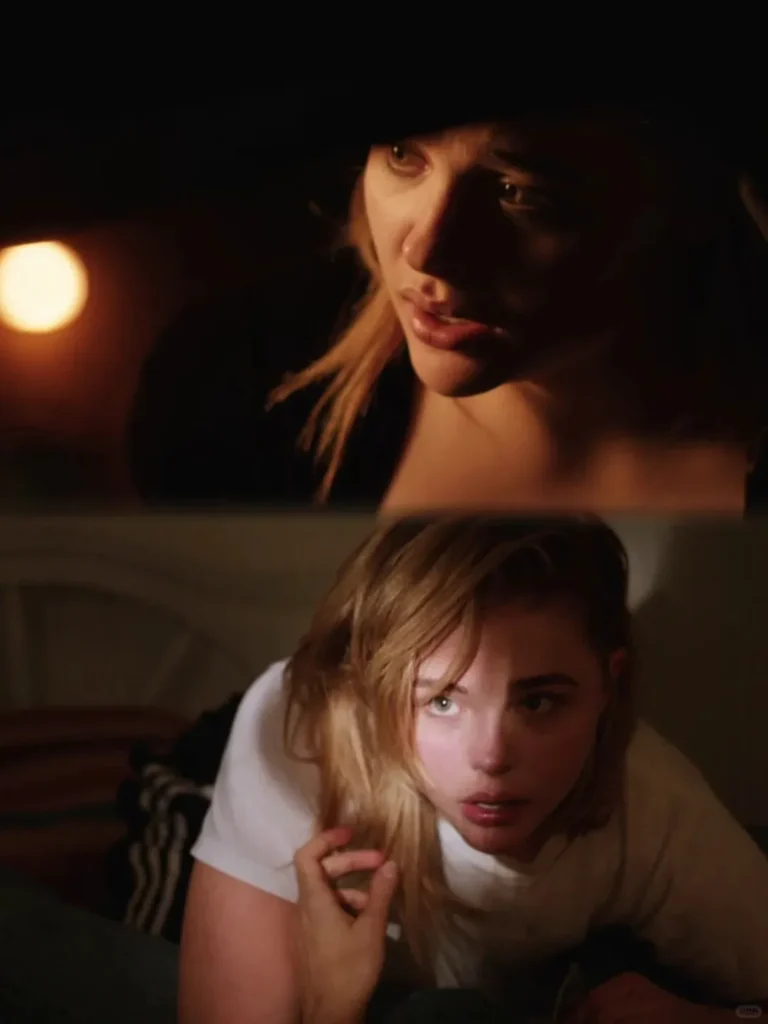
Cameron keeps her head down until she finds kindred spirits: Jane Fonda (Sasha Lane), all cool defiance; and Adam Red Eagle (Forrest Goodluck), whose humor shields a soft center. Together they trade eye-rolls in group therapy, pass contraband, and carve out a pocket of sanity. Around them, classmates strain to perform “progress,” sometimes breaking under the pressure.
A crisis forces Cameron to name what’s happening: not healing, but emotional harm dressed as care. With Jane and Adam, she chooses the only honest option—leaving—stepping into a future that’s uncertain but finally theirs.
The Miseducation of Cameron Post Cast
Charactor

A teenage girl sent to a Christian conversion camp after being caught with her girlfriend. Beneath her quiet exterior lies a deep yearning to live truthfully — she learns to question, resist, and ultimately choose freedom over shame.
Chloë Grace Moretz
Chloë Grace Moretz, an American actress known for Kick-Ass, Carrie, and If I Stay, brings remarkable restraint to Cameron’s role. Moving away from her early action and horror performances, she embodies vulnerability and quiet defiance, giving the film its emotional core.

Rebellious, witty, and fiercely independent, Jane Fonda becomes Cameron’s closest friend in the camp — a young woman who hides her pain behind sharp humor and quiet strength. Her grounded energy anchors the group’s small acts of rebellion.
Sasha Lane
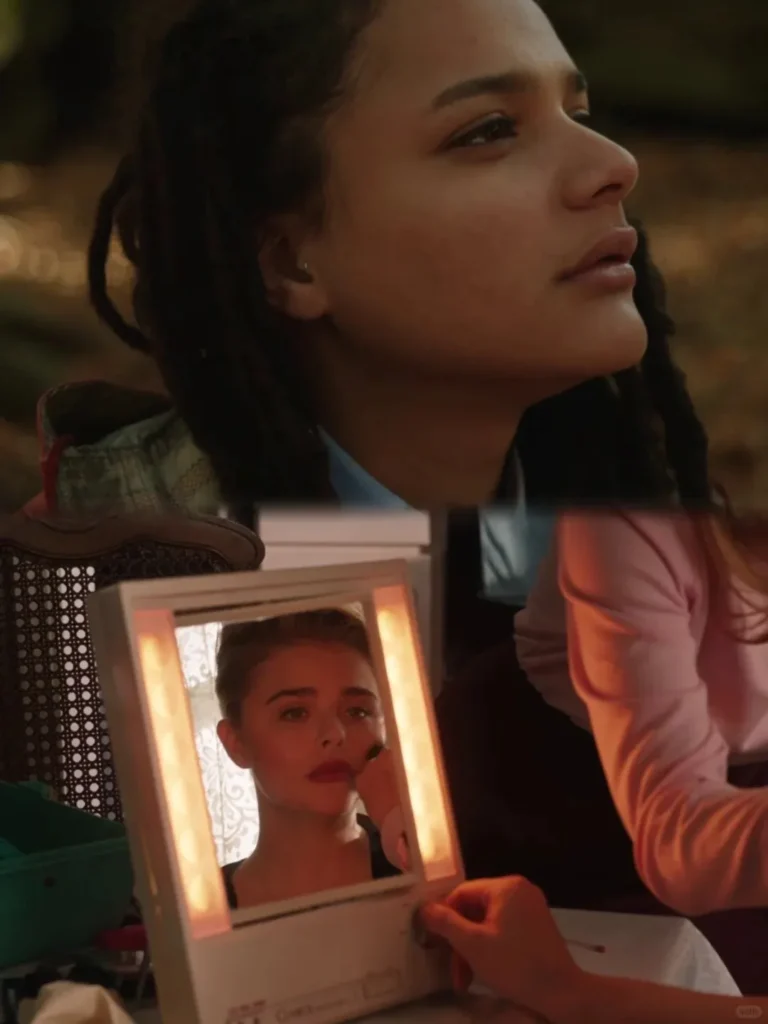
Sasha Lane, who rose to fame with American Honey (2016), has since built a reputation for portraying free-spirited and emotionally raw characters. In The Miseducation of Cameron Post, she delivers one of her most magnetic performances, radiating both warmth and defiance.
Director

Desiree Akhavan
Desiree Akhavan is an Iranian-American filmmaker, writer, and actress known for her sharp queer storytelling and dark humor. Before The Miseducation of Cameron Post, she directed Appropriate Behavior (2014). Her work often explores identity, sexuality, and belonging through a distinctly feminist lens.
BEST SCENES
📍 Kitchen “What’s Up” Sing-Along — Cameron, potato masher as mic, belts out 4 Non Blondes. For a minute, the kids reclaim the space: laughter bounces off linoleum, and control loses its grip. It’s sweet, not showy—precisely why it lands.
The Miseducation of Cameron Post Review
Review
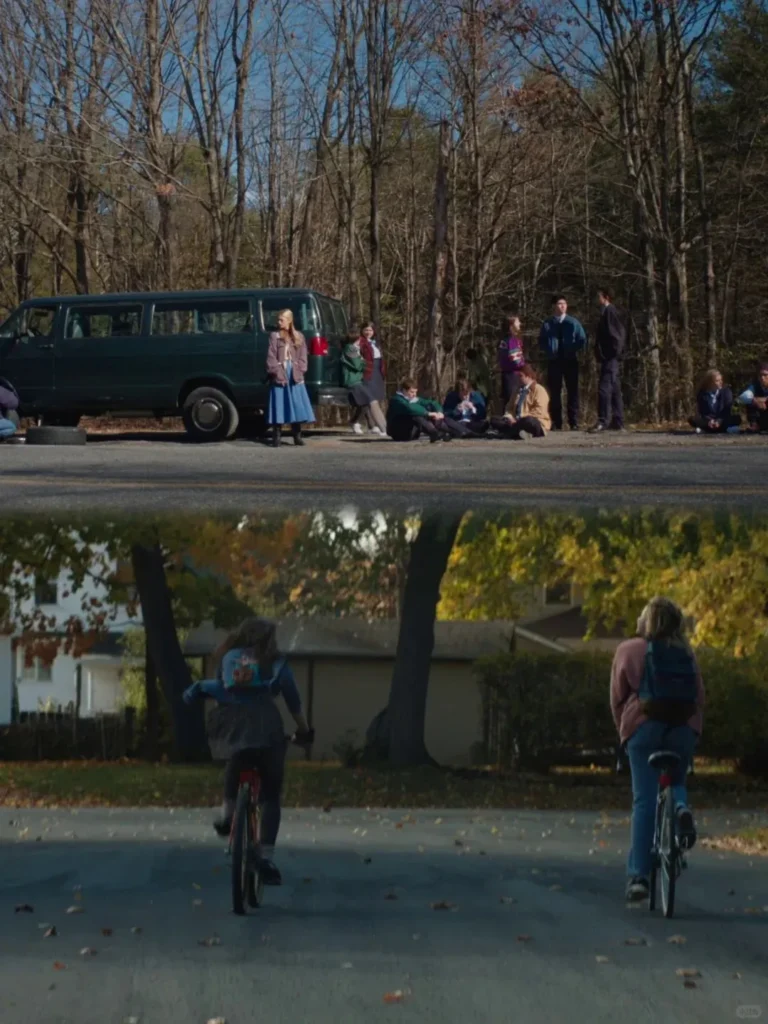
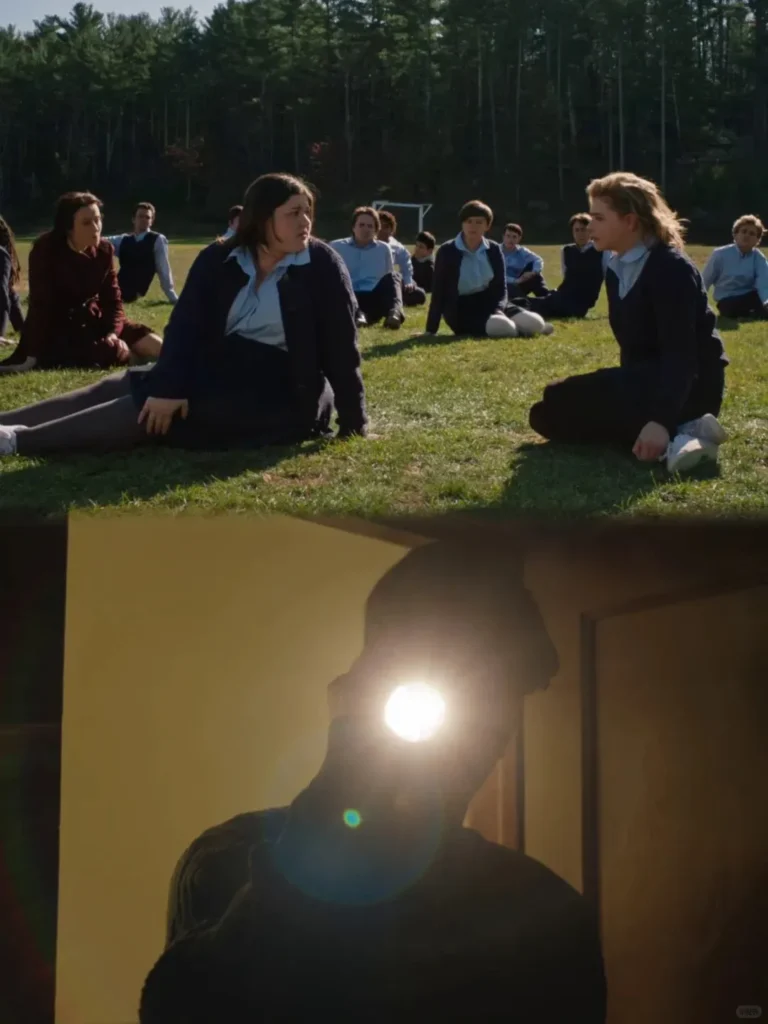
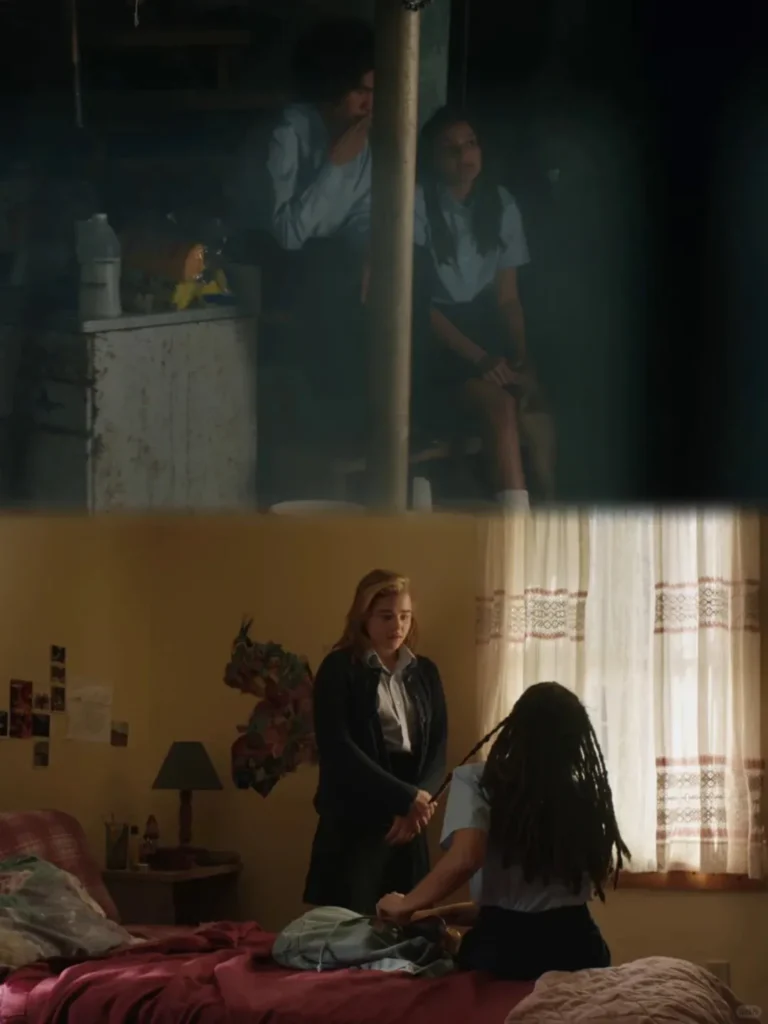
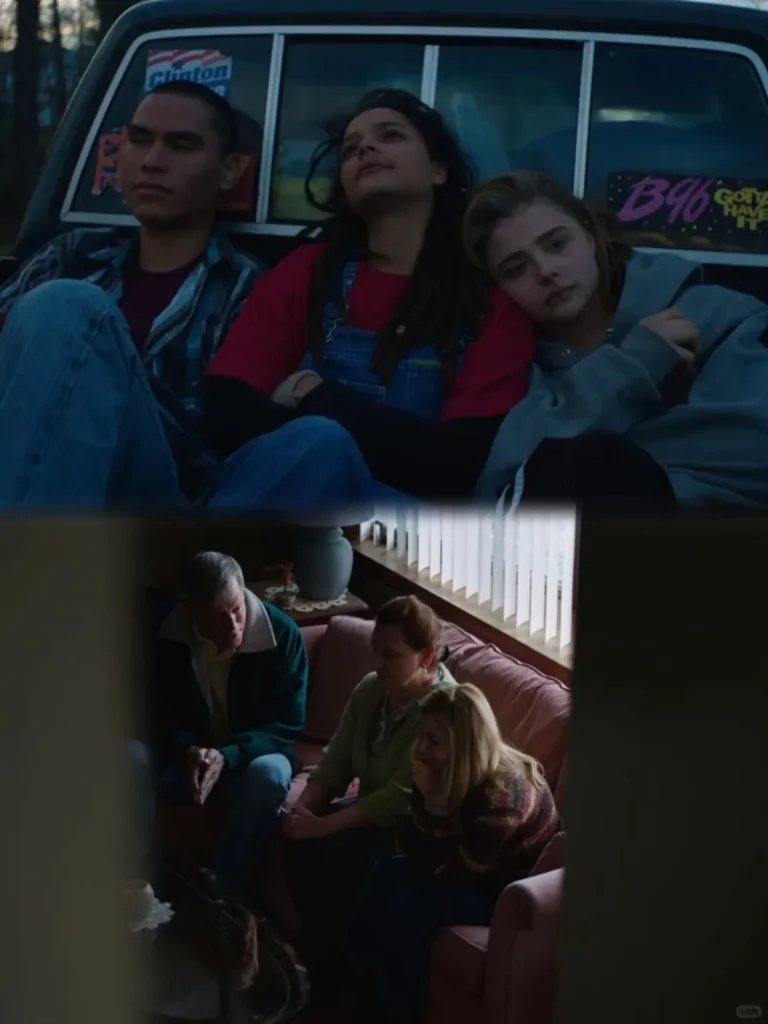
Story (4/5)
Akhavan adapts the back half of the novel and narrows the scope to the institution—less melodrama, more micro-truths. The film sidesteps easy speeches to show how systems turn teens against themselves. Its comedy is dry, its compassion steady.
Acting (4/5)
Chloë Grace Moretz plays Cameron with guarded warmth—quieter than the book, but convincingly observant. Sasha Lane and Forrest Goodluck steal scenes with layered spark; Jennifer Ehle’s Dr. March is chillingly composed; John Gallagher Jr. gives Rick an unsettling mix of affability and denial.
Chemistry (4/5)
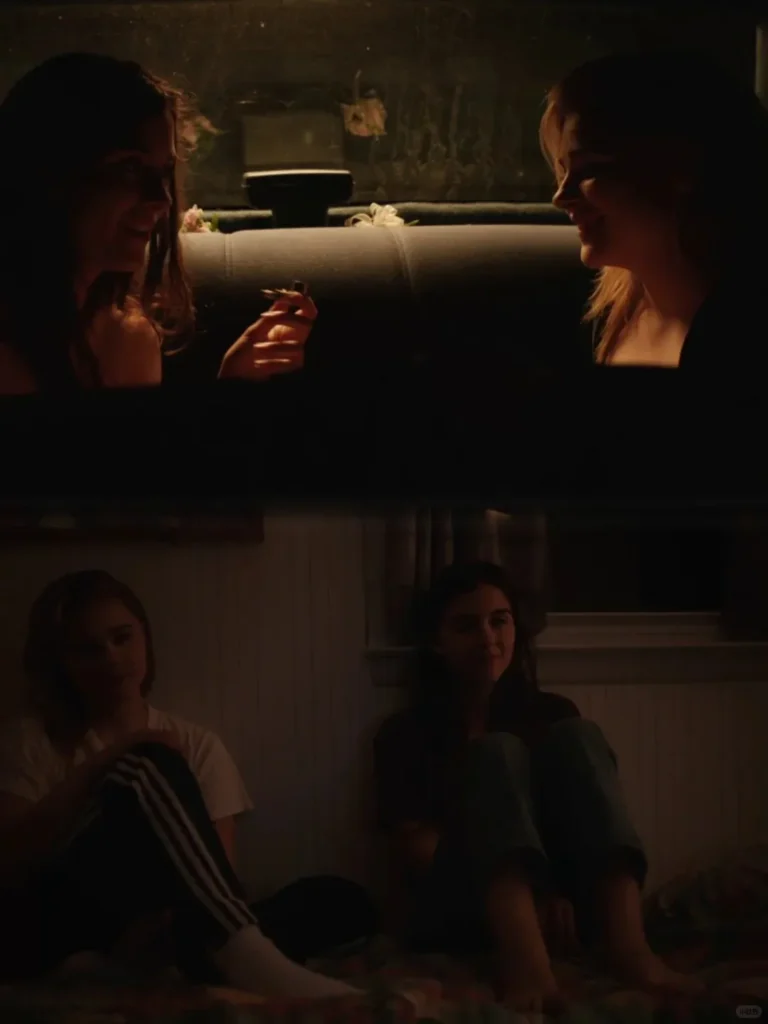
The film’s most moving bonds are friendships. Cameron–Jane–Adam feel like a real trio: teasing, protective, conspiratorial. Romantic beats are natural and ad-safe—yearning more than showiness.
Production (4/5)
Unflashy, purposeful craft: sun-bleached exteriors, institutional pastels, and handheld closeness. Recurrent flashlight sweeps literalize surveillance; the needle-drop of “What’s Up” becomes a release valve—humor as resistance.
Ending (4/5)
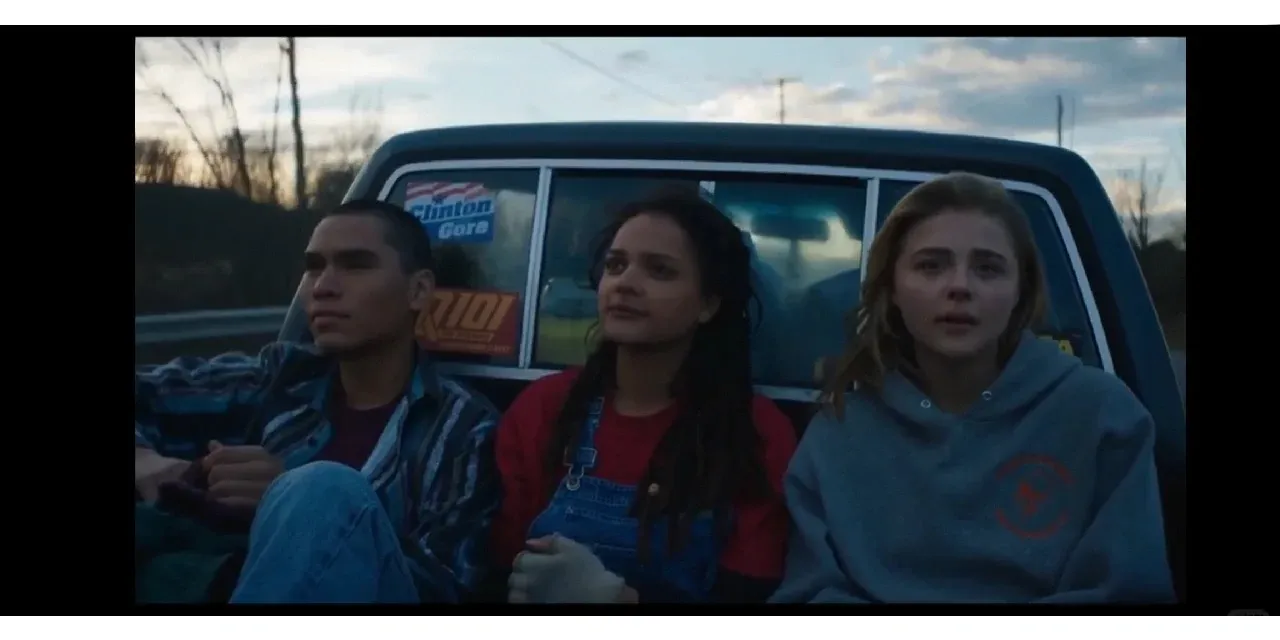
No courtroom speech, no catastrophe—just a road, a truck bed, and a choice. The refusal of “big closure” is the point: survival is ongoing, not cinematic.
💬 My Take
This isn’t a wall-to-wall tearjerker; it’s a quiet protest. By centering small defiances and everyday tenderness, Akhavan honors how queer teens actually get through it—together, joking in the margins, finding language later.
NOVEL VS FILM: What Changed?
Desiree Akhavan’s film adaptation draws only from the latter half of Emily M. Danforth’s acclaimed 2012 novel, focusing on Cameron’s time inside the conversion camp rather than her early years of self-discovery.
This choice reshapes both tone and scope — turning an expansive coming-of-age story into a contained, psychological chamber piece.
Here are the key differences:
Narrative Focus
Novel: Spans several years of Cameron’s adolescence in rural Montana — her first crush, family tragedy, and eventual confinement in the camp.
Film: Begins after her outing, skipping her early romance and grief to concentrate entirely on life inside God’s Promise.
➤ Result: The movie feels tighter and more symbolic — less a biography, more an allegory of repression and resilience.
Characterization of Cameron
Novel: Cameron is witty, introspective, and often humorous — her narration is richly self-aware.
Film: Chloë Grace Moretz’s Cameron is quieter, almost stoic. Director Akhavan deliberately removes the inner monologue, inviting viewers to observe rather than hear her thoughts.
➤ This makes her strength more subtle, seen through glances and silence rather than words.
Supporting Characters & Representation
Akhavan amplifies the roles of Jane Fonda (Sasha Lane) and Adam (Forrest Goodluck), creating a more diverse trio — Black, Native American, and queer — reflecting the director’s inclusive feminist vision.
Some characters from the book were merged or omitted to streamline the story’s rhythm.
Tone & Humor
While the book often uses dark humor and satire, the film’s tone is quieter and more compassionate, trading biting commentary for emotional authenticity.
➤ The adaptation favors empathy over anger — portraying survival, not spectacle.
Ending & Message
Novel: Ends with a detailed escape and long reflection on identity and faith.
Film: Ends mid-journey — Cameron and her friends drive away with no clear destination.
The Miseducation of Cameron Post Information
Film Festival Recognition
Sundance Film Festival 2018 — U.S. Dramatic Grand Jury Prize (Winner)
Multiple critics’ top-ten placements for 2018 queer cinema; widely used in curricula discussing conversion-therapy harms.
Where to Watch
🔒 Not available in your region?
Try using a VPN to access official platforms safely.
👉 We use NordVPN because it’s fast, stable for streaming, and works with most geo-restricted BL/GL titles.