
Lesbian nun movies are a rare and haunting subgenre that explore forbidden love within the sacred walls of a convent. These stories aren’t just about desire — they confront the tension between faith and freedom, devotion and identity.
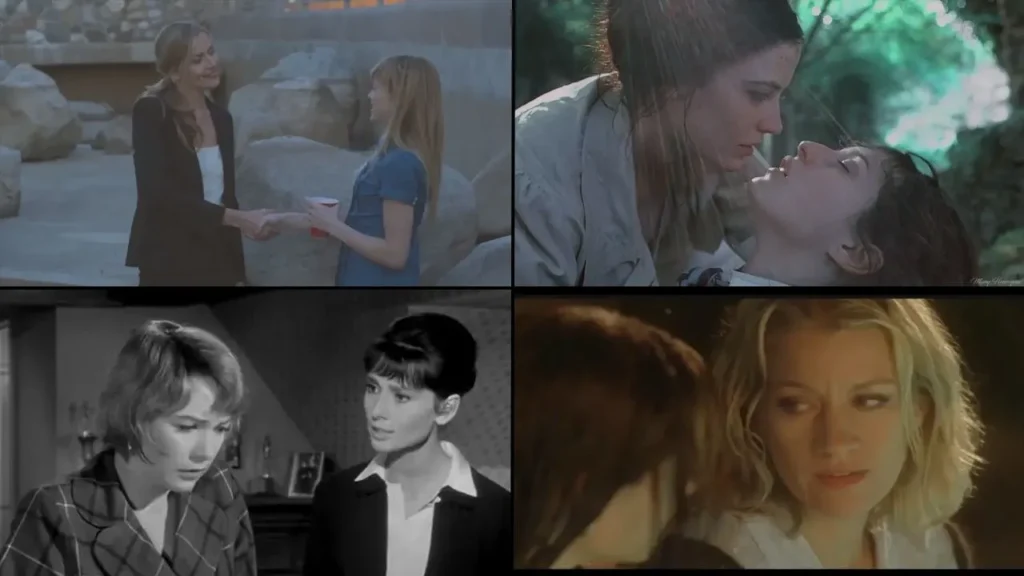
Unlike mainstream “nunsploitation” films of the 1970s, the titles below focus on genuine emotional or romantic relationships between women — not fantasy or shock. From the quiet spirituality of Novitiate (2017) to the fierce, sensual faith of Benedetta (2021), and from Japan’s The Sins of Sister Lucia (1978) to Italy’s feminist rebellion Flavia the Heretic (1974), each film reveals a different way women seek love and truth under the shadow of religion. Together, they form the core of what lesbian nun cinema truly represents: belief tested by desire, and redemption found through connection.
Top 5 Lesbian Teacher–Student Movies You Shouldn’t Miss
Mädchen in Uniform (1931)
Country: Germany
Genre: Drama, Boarding School, Classic LGBTQ Cinema
Release Year: 1931
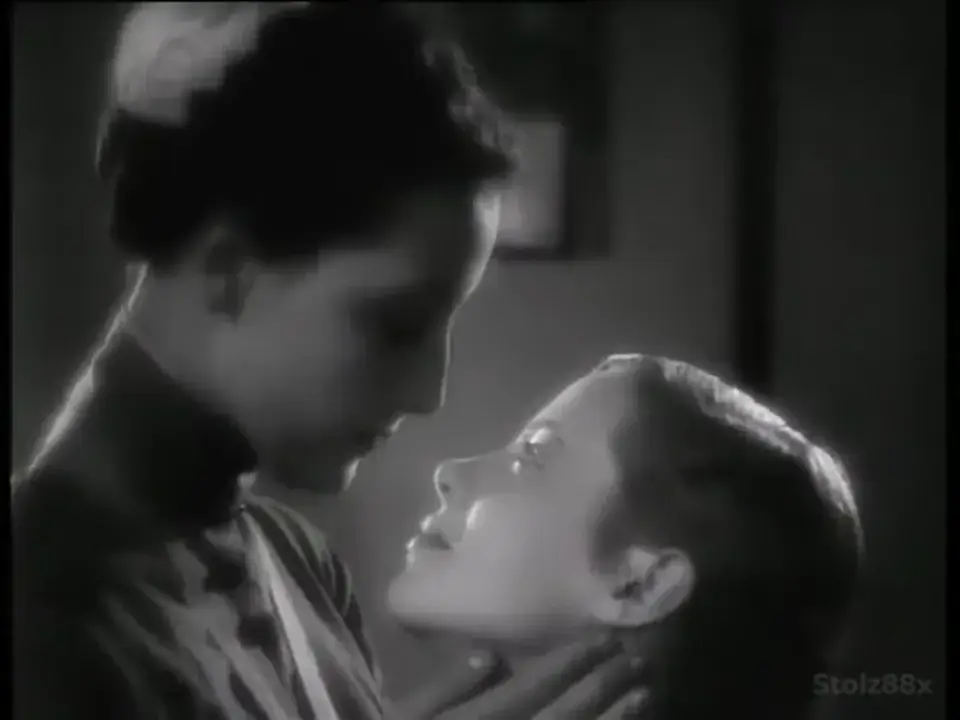
Set in a strict Prussian girls’ boarding school, Mädchen in Uniform follows young Manuela, a lonely student who becomes deeply attached to her compassionate teacher, Fraulein von Bernburg. In an institution ruled by discipline and fear, Bernburg’s kindness offers Manuela a rare sense of warmth and safety. But when her affection turns into open love, the school’s rigid system responds with cruelty — exposing the cost of tenderness in a repressive world.
Often regarded as the first lesbian feature film in cinema history, this German classic remains hauntingly progressive. Beneath its modest surface lies a quiet rebellion against authority, gender roles, and emotional repression. What moves me most is not just the forbidden love, but the idea that kindness itself becomes radical. Its sincerity and tragedy still resonate nearly a century later.
The Children’s Hour (1961)
Country: United States
Genre: Drama, Psychological, Social Repression
Release Year: 1961
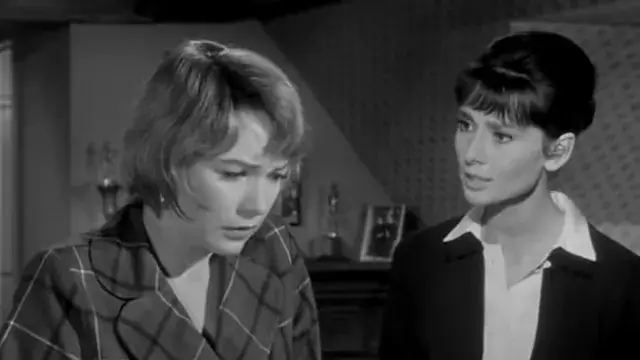
Karen and Martha run a private girls’ school, respected and admired for their discipline and dedication — until a malicious student spreads a rumor that the two teachers are lovers. What begins as childish revenge escalates into social catastrophe. Caught between truth and morality, Karen and Martha face ostracism, heartbreak, and an irreversible exposure of feelings even they never dared to name.
In 1961, homosexuality was unspeakable in mainstream cinema, yet The Children’s Hour dared to address it with empathy and pain. The film’s tragedy lies not in love itself, but in a society too cruel to accept it. Shirley MacLaine’s restrained confession scene remains one of the most devastating in queer film history — a mirror to every love destroyed by shame and gossip.
Loving Annabelle (2006)
Country: United States
Genre: Romance, School Drama, Forbidden Love
Release Year: 2006

Annabelle, a rebellious senator’s daughter, is sent to a Catholic boarding school after being expelled from two others. Her poetry teacher, Simone, is disciplined, spiritual, and quietly lonely. What begins as tension soon turns into intimacy as the boundaries between mentor and student blur. When love blooms in defiance of faith and rules, both women must choose between moral obedience and emotional honesty.
Loving Annabelle is the modern template for the teacher–student lesbian romance — tender yet transgressive. Erin Kelly’s youthful boldness meets Diane Gaidry’s quiet vulnerability in a chemistry that feels lived-in, not performative. The film may be modest in production, but emotionally it soars. Its poetic line, “Your restraint will fade with the night,” perfectly captures the dangerous beauty of desire under constraint.
Bloomington (2010)
Country: United States
Genre: Romantic Drama, Coming-of-Age
Release Year: 2010

Jackie, a former child actress, enters college searching for independence and identity. There, she meets Catherine, an elegant and enigmatic professor. Their attraction is instant and intellectual, evolving into a secret affair that challenges both their lives. As Jackie’s confidence grows, she must confront what she truly wants — a future of her own or the safety of forbidden love.
Written and directed by Fernanda Cardoso, Bloomington feels deeply personal — a melancholy reflection on youth and desire seen through a female gaze. Though quiet, it’s layered with longing, maturity, and gentle sadness. The professor–student dynamic here isn’t exploitative; it’s a mirror of self-discovery. Watching it feels like reading a diary that was never meant to be published.
Cracks (2009)
Country: United Kingdom / Ireland
Genre: Psychological Drama, Boarding School, Obsession
Release Year: 2009
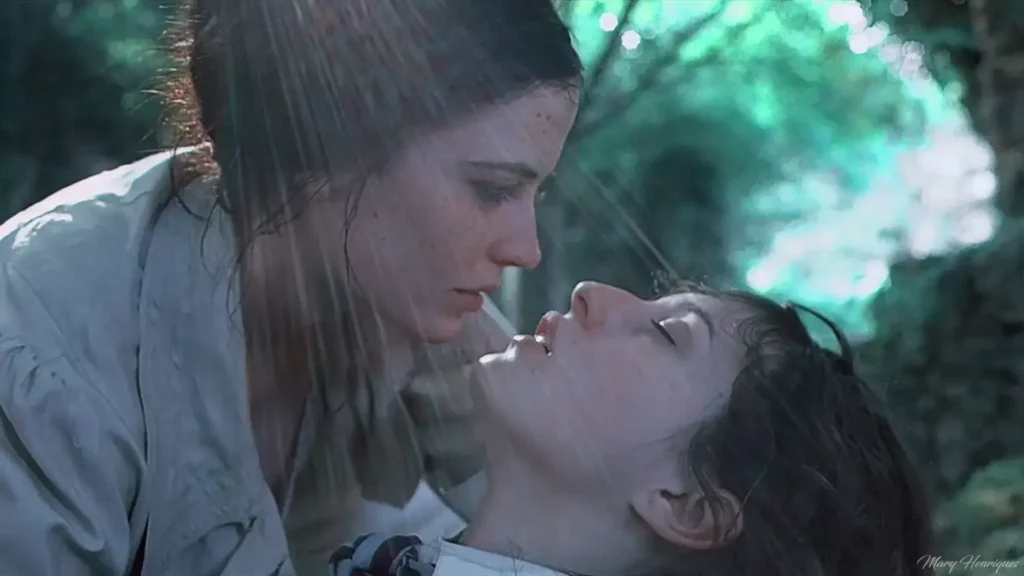
In a 1930s British girls’ boarding school, the charismatic swimming instructor Miss G (Eva Green) captivates her students with her rebellious spirit and talk of passion and freedom. But when a new Spanish student, Fiamma, joins the class, admiration turns into obsession. Jealousy brews, hierarchy collapses, and Miss G’s fascination spirals into tragedy.
A spiritual descendant of Mädchen in Uniform, Cracks brings the repressed lesbian teacher archetype into the psychological era. Eva Green delivers one of her most magnetic performances — elegant, unhinged, and heartbreakingly human. The film strips away romantic illusions, showing desire as both liberation and self-destruction. Beautiful, cruel, and unforgettable.
FAQ
These are films that explore romantic or emotional relationships between a female teacher (or professor) and her female student. They often center on forbidden love, power imbalance, and the awakening of desire in restrictive environments like boarding schools or universities.
Some are inspired by historical contexts or personal experiences. Mädchen in Uniform (1931) reflected early 20th-century gender oppression, while Bloomington (2010) was semi-autobiographical, written by director Fernanda Cardoso about her own past.
Because they expose conflicts between emotion and morality, especially in conservative or religious settings. Many directors use tragedy not to punish love, but to reveal how society represses it — as in The Children’s Hour or Cracks.
Yes. Bloomington leaves space for self-growth rather than punishment, and independent short films like A Teacher (2004) or web dramas now portray such relationships with more empathy and nuance.
Most titles like Loving Annabelle, Bloomington, and Cracks are available on streaming platforms such as Amazon Prime, Apple TV, or Tubi. Classic works like Mädchen in Uniform can be found in Criterion Channel’s LGBTQ cinema collections or restored Blu-ray editions.
Because they reveal how women navigate power, mentorship, and desire in worlds that rarely allow them to coexist. Whether tragic or tender, these films continue to redefine love as a form of learning — both emotional and intellectual.
Explore More Sapphic Content
👉 Also explore: Lesbian Movies | GL Series | Yuri Anime & Manga