
Albert Nobbs has the kind of atmosphere I often associate with Irish cinema: quiet, lonely, slightly cold, and impossible to mistake for anything else. It is not a loud film, and it does not try to overwhelm the viewer with dramatic twists. Instead, it tells the painfully small, tightly contained life of one person who has spent decades surviving by hiding. For me, that restraint is exactly what makes the film so affecting. This is not just a gender-disguise period drama. It is a story about loneliness, class, survival, and the fragile, almost unbelievable possibility of love.
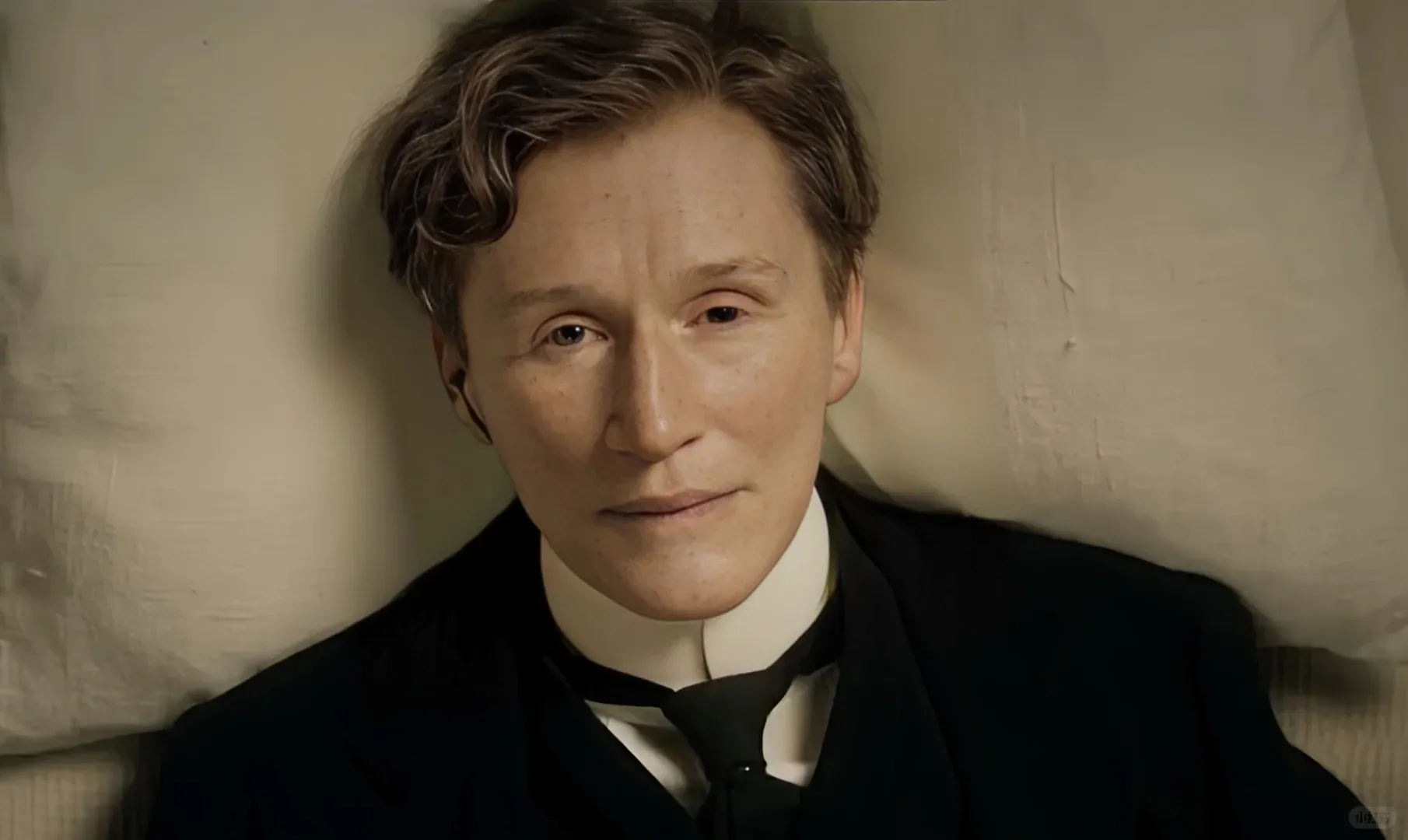
Albert Nobbs Summary | |
|---|---|
| Title: | Albert Nobbs |
| Movie Info: | Ireland / United Kingdom (2011) |
| Genre: | Queer period drama, historical drama, gender disguise movie |
| Director: | Rodrigo García |
| Main Cast: | Glenn Close, Janet McTeer, Mia Wasikowska, Aaron Taylor-Johnson |
| Why I Recommend It: | A quiet and emotionally haunting period drama about survival, loneliness, gender performance, and the fragile hope of love. |
Plot
Set in 19th-century Ireland, Albert Nobbs follows Albert, a woman who has lived as a man for decades in order to survive with dignity in a society that offers poor women almost no freedom and very little safety. Working as a hotel waiter, Albert lives an extremely controlled life: waking, working, counting tips, hiding every trace of the body beneath the clothes, then locking the door and retreating into silence.
After more than twenty years of living this way, Albert has become almost invisible. Quiet, careful, emotionally guarded, and socially awkward, Albert exists in a narrow space between identities—unable to live openly as a woman, yet never fully at ease in the role of a man either. Life is reduced to routine and saving money, all for one modest dream: opening a small tobacco shop and finally having something that feels like home.
That dream begins to shift when Albert meets Hubert Page, another person assigned female at birth who also lives publicly as a man, but with far more confidence and ease. Through Hubert, Albert starts to imagine a different future—one that might include companionship, domestic warmth, and even love. Albert becomes drawn to Helen, a young maid, and begins to picture a life that extends beyond survival. But in a harsh world ruled by class inequality, gender restrictions, and emotional deprivation, even the smallest hope can be difficult to hold onto.
Albert Nobbs Cast
Charactor
Albert is a woman who has lived as a man for more than twenty years in order to survive and work in relative safety. Quiet, cautious, and emotionally stunted by years of hiding, Albert is one of the most delicate and heartbreaking characters I have seen in a period drama.
Virginie Efira
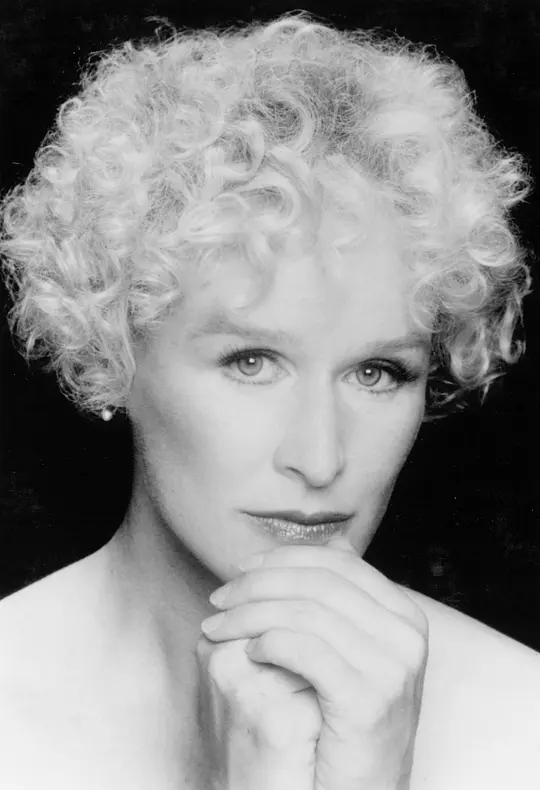
Glenn Close’s performance is the soul of the film. Best known for Dangerous Liaisons, Fatal Attraction, The Wife, and The World According to Garp, she brings astonishing restraint here. What I loved most is how much she communicates without words. Albert’s hope, confusion, embarrassment, and longing all feel readable through the smallest change in expression.

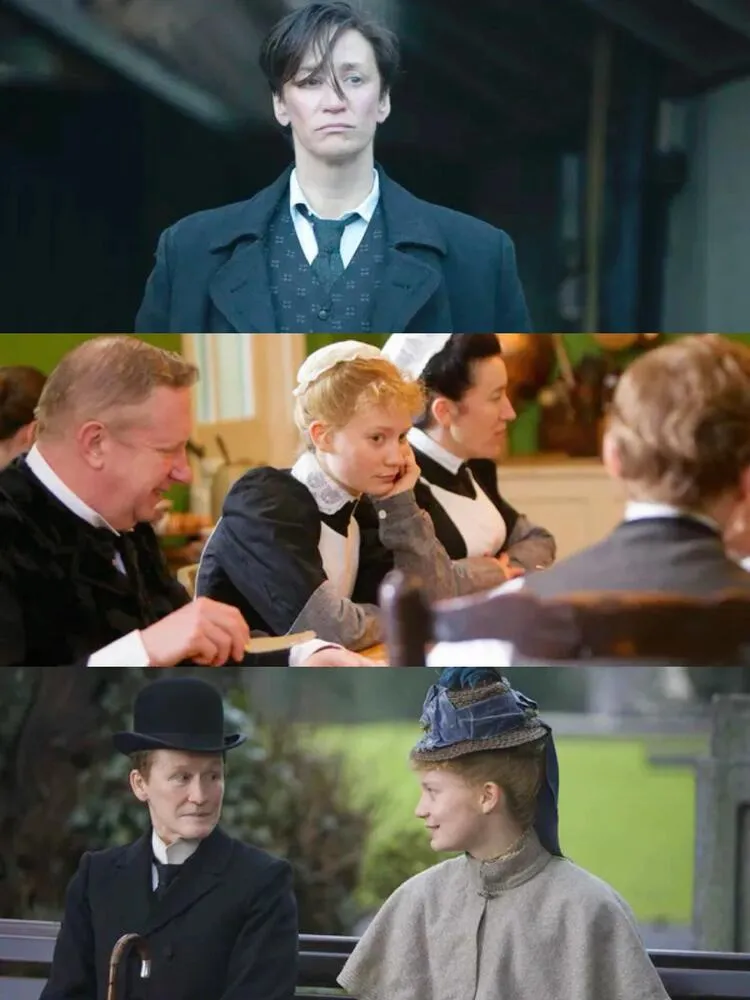
Hubert is another person living publicly as a man, but unlike Albert, Hubert carries confidence, humor, and a certain ease with the world. That difference makes Hubert one of the most important emotional and thematic counterpoints in the film.
Janet McTeer
Janet McTeer is magnetic in this role. Known for Tumbleweeds, The White Queen, and Ozark, she gives Hubert warmth, strength, and wit. Hubert brings some of the film’s funniest and most liberating moments, but also some of its deepest insights into survival and chosen intimacy.

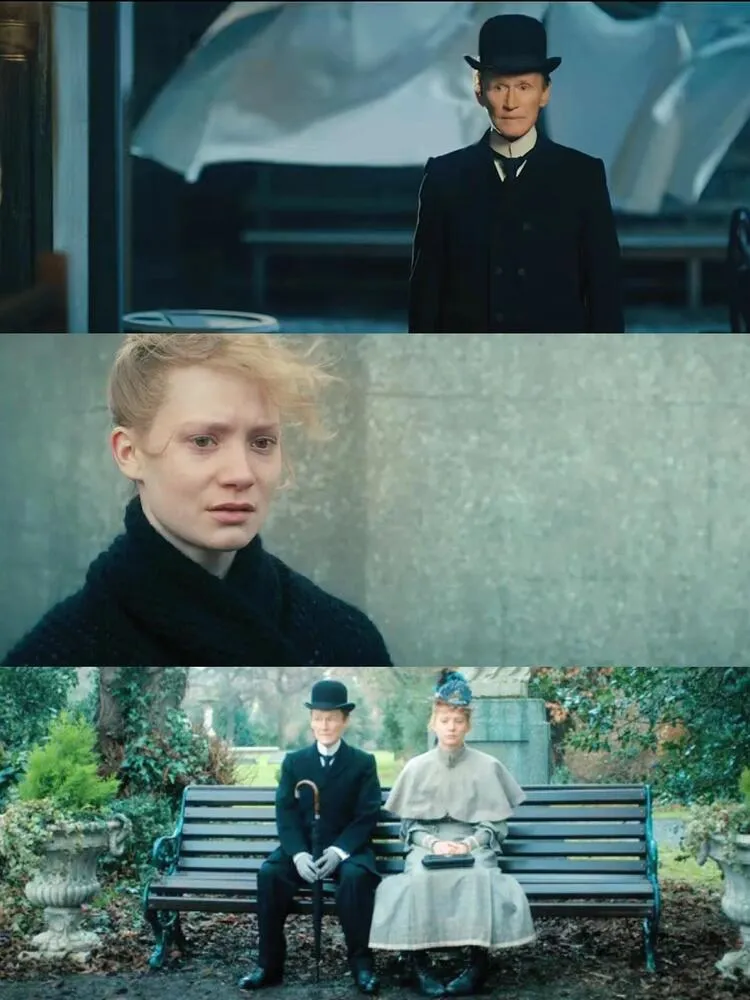
Helen is the young maid who becomes the focus of Albert’s hopes for companionship and domestic happiness. She is less an idealized fantasy than a catalyst for Albert’s awakening to possibility.
Mia Wasikowska
Mia Wasikowska, known for Jane Eyre, Stoker, and Alice in Wonderland, gives Helen a softness mixed with practicality. She helps anchor the film’s emotional fantasy in the rough material reality of class and survival.

Joe is poor, handsome, impulsive, and shaped by a harsh upbringing. He is not easily reducible to either villain or victim, which makes his presence in the story more interesting than it might first appear.
Aaron Taylor-Johnson
Aaron Taylor-Johnson brings volatility and vulnerability to the part. His role also helps the film widen beyond Albert’s private world and show the social cruelty surrounding all the working-class characters.
BEST SCENES
1. Albert dressing as a woman again
This moment is deeply revealing because it shows that Albert’s inner sense of self has never fully disappeared, even after decades of performance.
2. The beach scene
When Albert runs forward with open arms and then abruptly falls back into reality, I felt the cruelty of the film’s world in one instant. It is such a brief but devastating image.
3. Hubert revealing the truth
This scene shifts the whole emotional and thematic structure of the film. It is funny, surprising, and quietly liberating at the same time.
4. Albert imagining a future
Some of the most moving scenes in the film are not dramatic at all. They are the ones where Albert briefly believes happiness may still be possible.
Albert Nobbs Review
Review

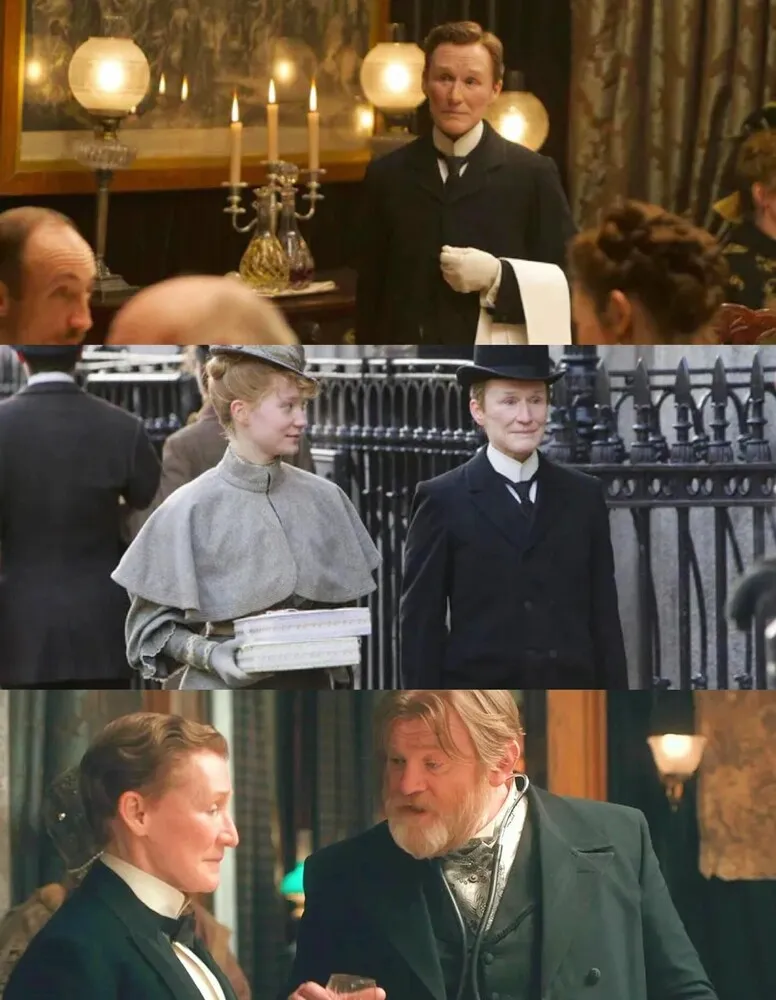
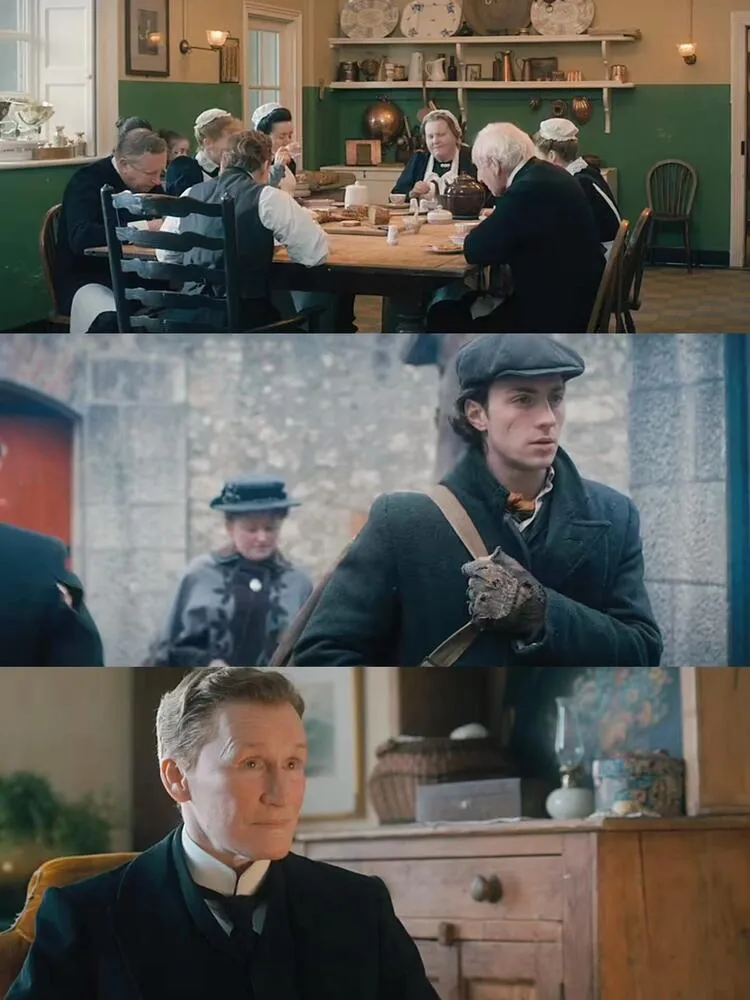
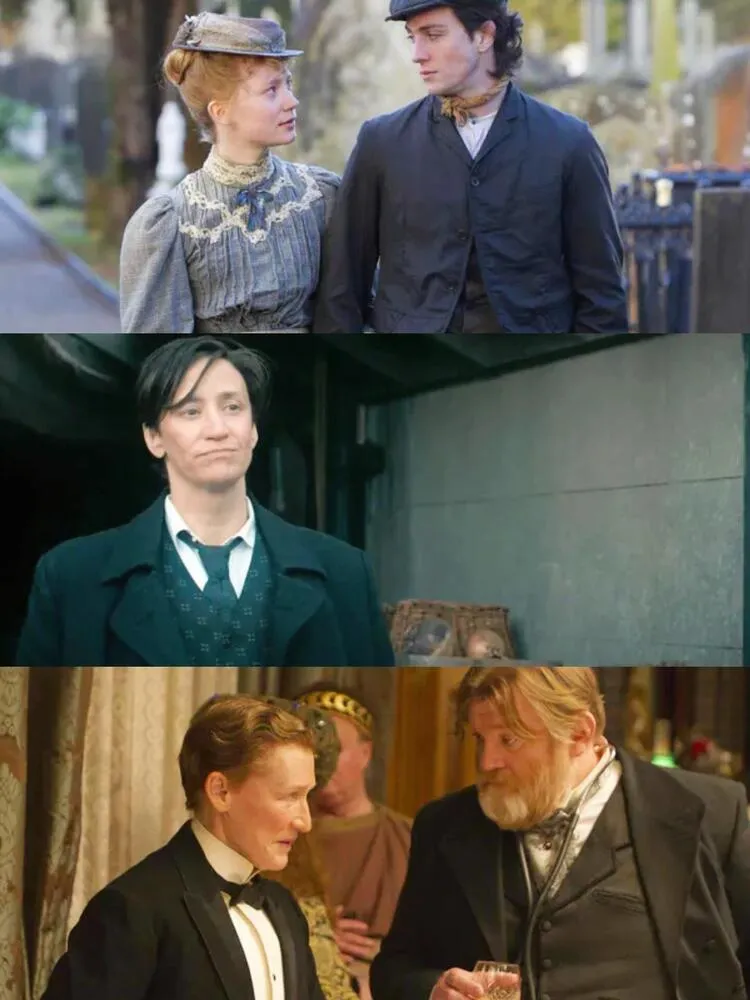
Story – 4.5/5
What moved me most about Albert Nobbs is how simple the story looks on the surface and how devastating it becomes underneath. There are no huge plot mechanics here. Albert’s life is made of repetition, caution, and quiet deprivation. But that simplicity is exactly what makes the film work for me. It becomes a portrait of what happens when a person has lived too long in self-suppression and no longer knows how to pursue happiness, or even clearly define what happiness would look like.
I know some viewers criticize the film for keeping Albert’s inner world too vague, but I actually think that is one of its greatest strengths. Albert is not meant to be psychologically fluent or emotionally articulate. This is someone who has spent years shutting everything down in order to survive. The blurred inner life is the point. The film shows, with painful precision, how a person can become so cautious and so reduced by circumstance that desire itself starts to feel unfamiliar.
Acting – 5/5
Glenn Close is extraordinary here. This is one of those performances where almost everything is carried through posture, hesitation, breathing, and tiny shifts in expression. She does not play Albert as a broad disguise or as a simple tragic figure. She plays someone whose entire existence has been shaped by fear, habit, and restraint.
What impressed me most is how easy it is to read Albert emotionally even when the character says very little. A look of surprise, a flicker of hope, a shy smile at the thought of a future—Close makes those moments feel enormous. I really do think this is the kind of performance that pulls you into the character’s inner life without ever needing to explain too much out loud.
Janet McTeer is also wonderful as Hubert. She gives the film energy, humor, confidence, and contrast. Whenever she appears, the movie opens up a little wider.
Chemistry – 4/5
The chemistry in this film is unusual, which is part of why it stayed with me. It is not primarily driven by sweeping romance or overt passion. Instead, it grows out of longing, projection, and the ache of imagining that life might still offer companionship after years of emptiness.
What I found especially touching is that Albert’s feelings are not really about conquest or even physical desire in the conventional sense. They are about warmth, home, and the dream of no longer being alone. That makes the emotional stakes feel very different from many other queer films. There is something almost unbearably tender in the fact that Albert imagines love first as a domestic picture: a small shop, a shared life, someone by the fire. That emotional texture felt very real to me.
Production – 4.5/5
The atmosphere is one of the film’s greatest strengths. It has that unmistakable muted Irish melancholy—lonely streets, worn interiors, tired people, and a sense that the cold has entered everyone’s bones. But the film is never visually dead. It finds warmth in tiny places: music, quiet dreams, small gestures, a face briefly lit by possibility.
I also loved the score. After watching the film, I understood why so many scenes linger emotionally even when they are understated. The music around Albert’s dream of opening a shop is especially soft and hopeful, almost fairy-tale-like for a moment. That contrast matters. It reminds us that even a tightly sealed life can still contain fantasy and tenderness.
Ending – 4.5/5
The ending is tragic, but I did not experience it as empty despair. That surprised me a little. I think the film treats Albert’s final emotional leap with such gentleness that what remains strongest is not futility, but the beauty of wanting something deeply, even briefly.
Some people may feel that what Albert risks everything for is not worth it. I did not feel that way. To me, love in this film is less about whether the object of affection deserves it and more about what it means for Albert to finally feel something powerful enough to move toward. That moment of reaching—however painful the outcome—is what gives the film its emotional weight.
My Take
There is something about Irish films that always feels a little different to me. They often carry this loneliness in the air, as if even the silence has texture. Albert Nobbs belongs completely to that tradition. It tells such a small life, but it never feels minor.
What stayed with me most is how fully the film captures a person who has spent so long protecting themselves that they no longer know how to live beyond protection. Albert is not simply lonely. Albert has become structured by loneliness. The daily rituals, the lack of spontaneity, the inability to joke, flirt, or even clearly imagine intimacy—these are not just character traits. They are survival habits that have slowly replaced a fuller self.
That is why I did not mind the film’s emotional ambiguity at all. In fact, I admired it. Albert is not someone who can easily explain desire, and maybe not someone who even fully understands what kind of life is possible. That uncertainty feels heartbreakingly true. In a world where women had so little power, and where the poor had even less, someone like Albert exists at an even harsher edge: unable to safely live as a woman, yet not truly empowered by living as a man either.
I also loved the contrast between Albert and Hubert. Hubert is everything Albert is not—confident, funny, physically commanding, emotionally agile. Hubert moves through the world with the kind of presence Albert can barely imagine. Watching them together made me think about how much of what society calls “strength” is coded as masculine. The film quietly asks whether survival in such a brutal world depends on performing those traits, or whether gender itself is something social life trains people into.
And yet the film is not all bleakness. The dream of the little shop touched me a lot. It is such a modest dream, but it carries enormous emotional weight because it represents stability, dignity, and a private version of happiness. The score around those moments is beautiful—soft, dreamy, and full of warmth.
One of the things I found most powerful is how the film treats fleeting happiness. When Albert begins to imagine a future, Glenn Close lets that hope appear in the smallest facial changes—a look, a smile, a sudden brightness in the eyes. Those moments hit me hard because they feel so rare and so fragile. The film understands that even a brief experience of joy can transform an entire life, even if it does not last.
That is why I did not leave the film feeling only sadness. I left with a long sigh, yes, but also with a strong feeling that love itself remains beautiful, regardless of whether the world makes room for it.
Albert Nobbs Information
🎖 Awards & Recognition
Nominated for 3 Academy Awards — Best Actress (Glenn Close), Best Supporting Actress (Janet McTeer), and Best Makeup
Glenn Close won Best Actress at the Satellite Awards for her performance as Albert Nobbs
Janet McTeer received major awards-season recognition including Oscar, Golden Globe, and BAFTA nominations for Best Supporting Actress
The film was nominated for Best Original Song (“Lay Your Head Down”) at both the Golden Globes and Critics’ Choice Awards
Where to Watch
🔒 Not available in your region?
Try using a VPN to access official platforms safely.
👉 We use NordVPN because it’s fast, stable for streaming, and works with most geo-restricted BL/GL titles.