
Winner of the Palme d’Or at Cannes, Blue Is the Warmest Color (La Vie d’Adèle) is one of the most discussed lesbian films of the 21st century. Adapted from Julie Maroh’s acclaimed graphic novel Le bleu est une couleur chaude, it follows a teenager’s journey through first love, desire, and heartbreak.
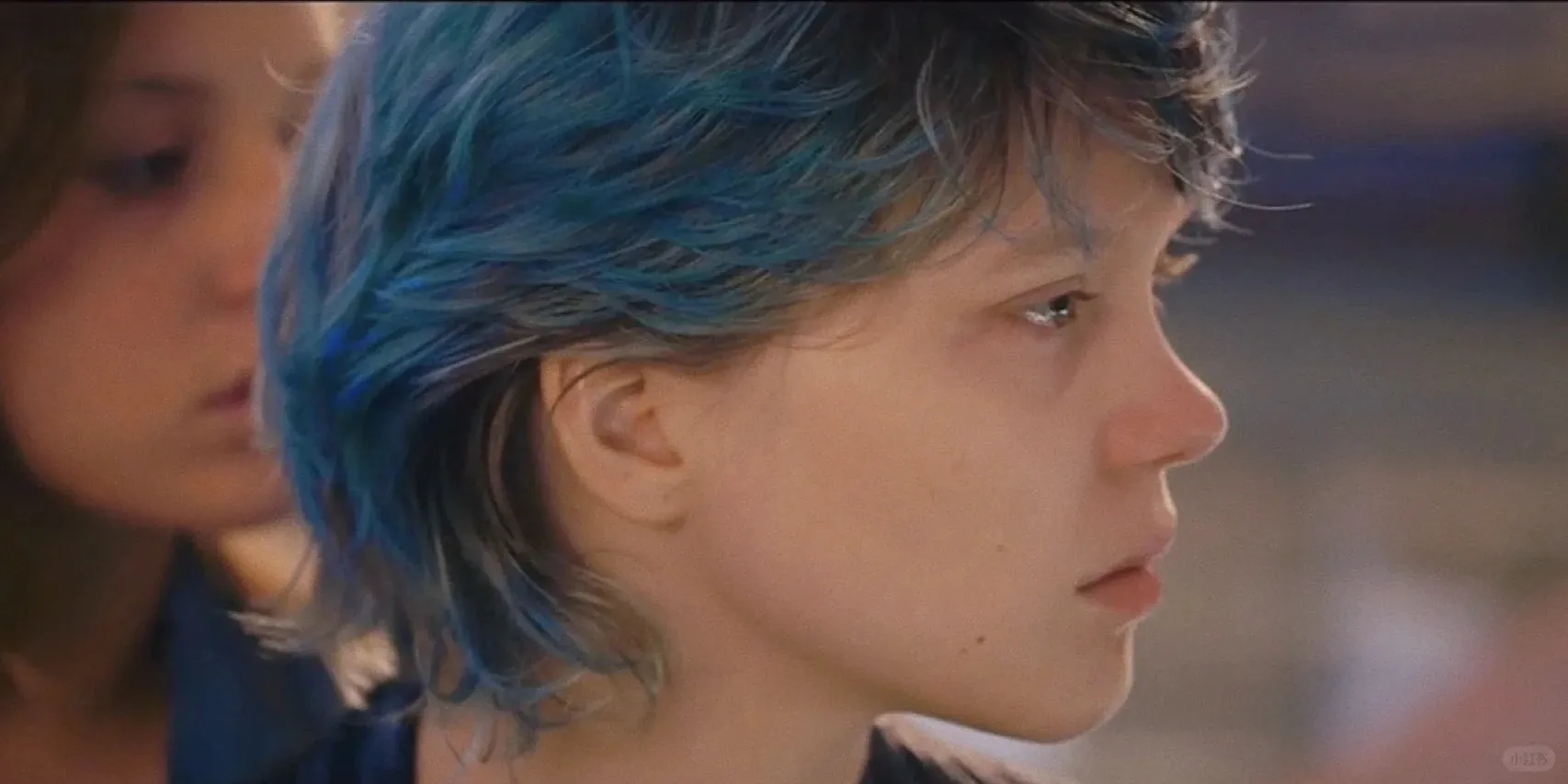
Adèle, a 15-year-old student, drifts through school life and a boyfriend she cannot love. Everything changes when she spots Emma, a blue-haired art student whose presence sparks an irresistible attraction. Tentatively, Adèle steps into a lesbian bar and finds Emma waiting—an encounter that blossoms into a passionate, all-consuming romance. Living together, sharing meals, making love, and dreaming of futures, they believe their bond is unbreakable. But class differences, ambition, and unequal power gradually tear them apart, leaving Adèle facing loss and solitude.
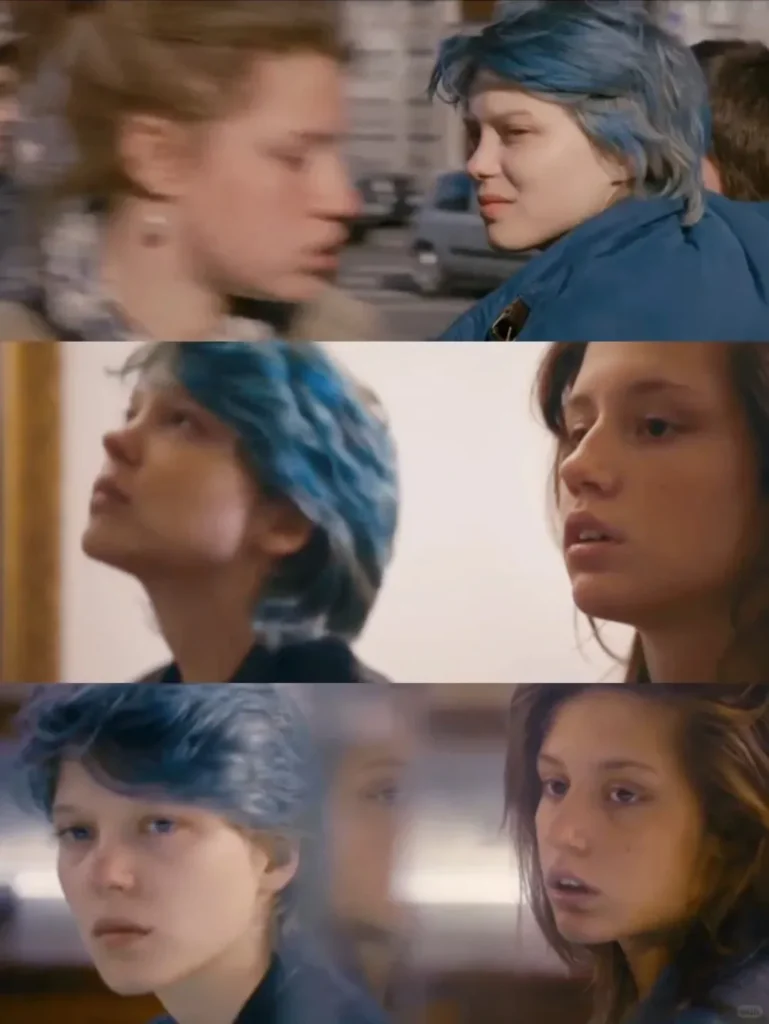

A working-class teenager swept into her first great love, both tender and devastating.
Cate Blanchett
Adèle Exarchopoulos won worldwide acclaim for her fearless, immersive performance. She has since appeared in Racer and the Jailbird, The Last Face, and Passages.

A confident, ambitious art student whose blue hair changes Adèle’s world.
Léa Seydoux
Léa Seydoux is one of France’s most acclaimed actresses, known internationally for Spectre and No Time to Die, as well as French dramas like One Fine Morning and Saint Laurent.
Director
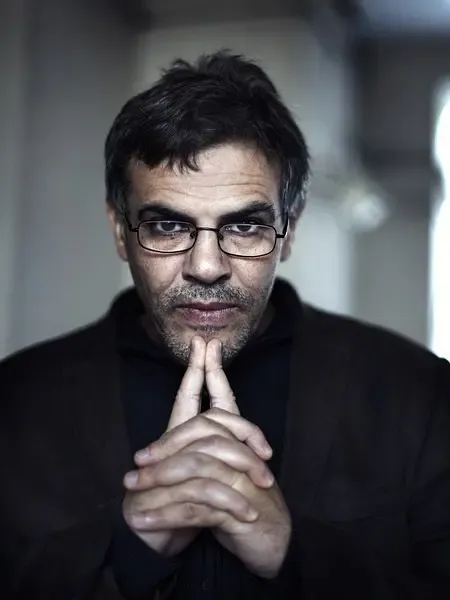
Abdellatif Kechiche
Born in Tunisia and raised in France, Kechiche is known for exploring identity, migration, and marginalized voices in French society. His earlier films (L’Esquive, The Secret of the Grain) also won major awards for their realism and focus on outsider lives. With Blue Is the Warmest Color, Kechiche became the first director to win the Palme d’Or jointly with his lead actresses, recognizing the trio’s achievement in pushing cinematic intimacy to new limits.
BEST SCENES
📍 First street encounter: Emma’s blue hair, an unforgettable spark.
📍 The lesbian bar: Adèle walks in nervously, only to find Emma waiting.
📍 The dinner party: Adèle cooks, Emma dazzles—an imbalance exposed.
📍 The café reunion: two women in blue, still in love, yet already lost.
Blue Is the Warmest Color Review
Review
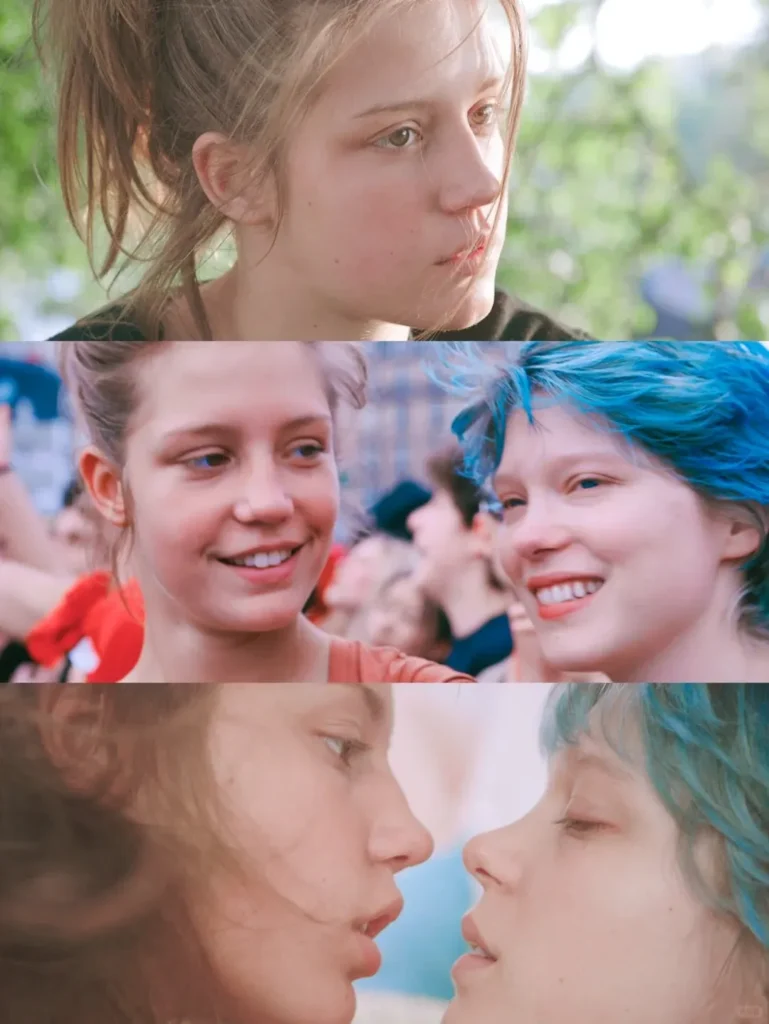
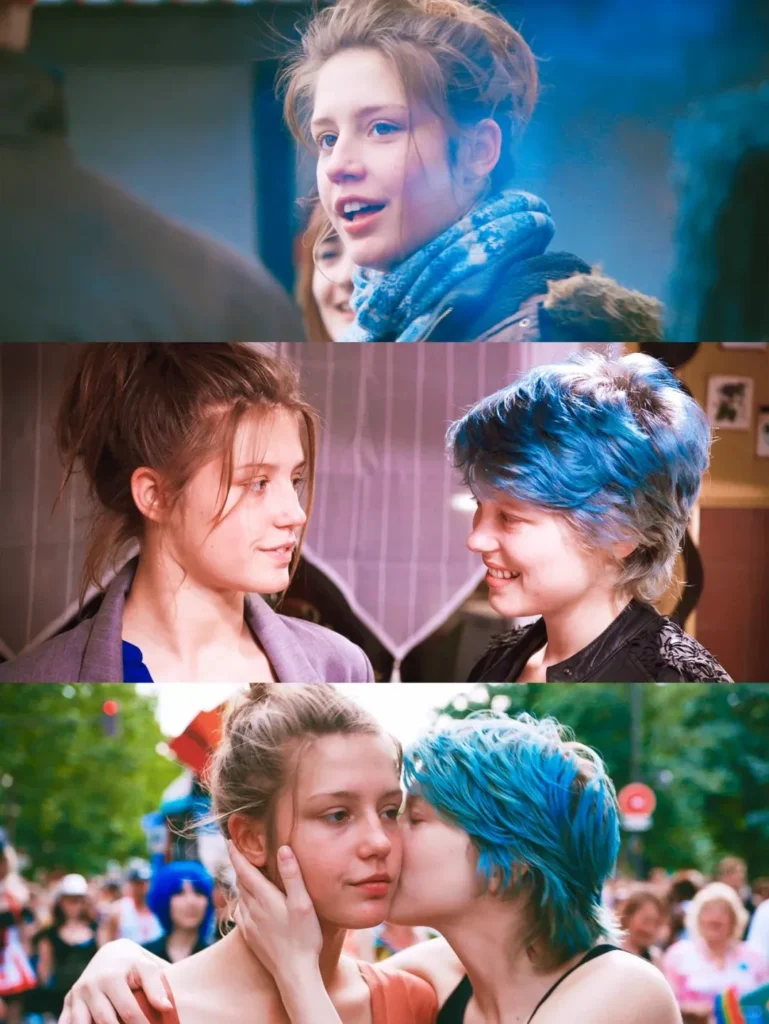
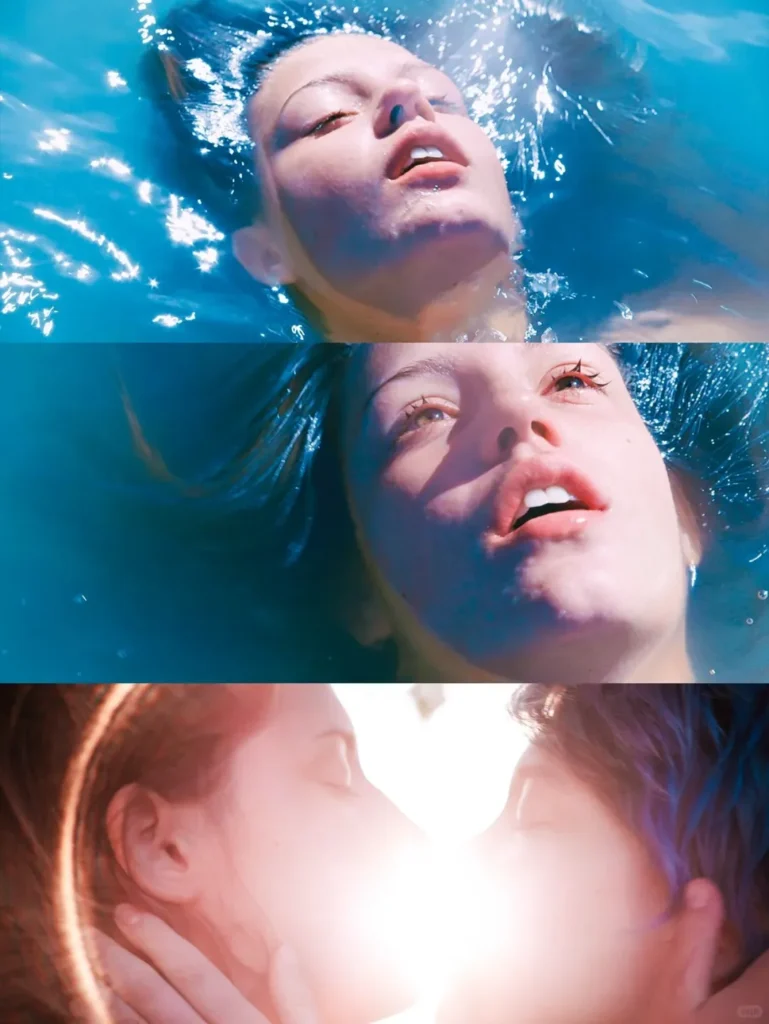
Most people explain Adèle and Emma’s breakup in familiar ways: the class gap, the difference in education and family background, Adèle’s infidelity, and her inability to “grow” into Emma’s world. I understand those readings, but I have always seen their relationship a little differently.
To me, the tragedy of Blue Is the Warmest Colour is not just that Adèle cheats, or that she comes from a more ordinary background. It is that from the very beginning, this relationship is emotionally unequal. Adèle enters it younger, softer, less experienced, and far more vulnerable. She is still at an age where desire feels like destiny, where love easily becomes fantasy. The film spends a long time showing us exactly that: her uncertainty, her passivity, her hunger to be chosen. By the time Emma appears, Adèle is already someone who can be led, influenced, and emotionally overwhelmed. So when Emma takes control of the relationship, it does not feel accidental. It feels built into the structure of who they are.
Emma, in contrast, always seems to know more—about herself, about other people, about what she wants, and about how to shape a situation in her favor. Once she enters Adèle’s life, she is the one setting the rhythm: approaching her, waiting for her, sketching her, bringing her into her world, then later pushing her out of it. There is a confidence to Emma that can feel seductive, but also deeply controlling. What makes the imbalance so painful is that Adèle is always reacting, while Emma is almost always directing.
One of the clearest signs of their difference appears in the early conversation where Emma talks about Sartre, and Adèle responds by bringing up Bob Marley. I think that moment says more about them than people often notice. Emma’s world is built around ideas, artistic identity, and self-definition. Adèle’s instincts are more grounded in ordinary life, in emotional truth, in fairness, in the human need for warmth and dignity. Neither worldview is inherently lesser. But the film makes it painfully clear that these two women are not standing on equal ground. They do not value the world in the same way, and they do not have the same language for meaning. That gap is there long before the breakup.
What hurts me most when I watch this film is how often Adèle is made to feel small inside Emma’s world. The dinner party is the best example. Adèle cooks for everyone, does the labor, serves the room, and then has to stand there quietly while the others talk about art, philosophy, and ambition. She is physically present, but emotionally stranded. The film keeps returning to her face in those moments, and what I see there is not simple insecurity, but loneliness. She is in love, yet already being excluded from the life that surrounds that love.
That is why I have never been satisfied with the reading that Adèle alone “ruined” the relationship. Yes, she betrays Emma, and that matters. But by then, the relationship is already cracked. Emma has been pulling away emotionally long before Adèle reaches for warmth elsewhere. She is attentive when Adèle can still inspire her, excite her, or fit into her private mythology, but in everyday life, she often treats Adèle less like a full partner than like an extension of her own world—someone to admire her, desire her, support her, and reflect her image back to her. Adèle gives Emma devotion, care, domestic labor, and her whole emotional life. Emma gives Adèle passion, attention, and entry into another world, but not the same kind of dependence or surrender. That difference matters.
To me, Emma is not cruel in a simple villainous way. What makes her difficult is that she is deeply self-centered while still believing in her own emotional seriousness. She wants love, but she also wants intellectual companionship, artistic ambition, status, momentum, and control over her future. Adèle, for all her sincerity, cannot give her all of that. But I also think the film asks a harder question: why is Adèle’s version of life so often treated as lesser? She wants ordinary happiness. She wants food, touch, routine, work, presence, and a love that survives daily life. The film never convinces me that this is shallow. If anything, it makes that desire feel heartbreakingly human.
That is also why the title affects me so much. Blue is not just Emma’s hair, or a visual motif of desire. Blue becomes Adèle’s emotional language. At first it feels warm, intoxicating, almost magical—the color of first love, first awakening, first surrender. But as the relationship deteriorates, blue changes its meaning. It becomes colder, lonelier, more distant. By the end, it no longer represents warmth at all. It becomes the color of solitude, memory, and emotional aftermath.
The final scenes devastate me every time. Adèle still carries the hope that love can be restored, while Emma has already moved into another life, one that feels more socially compatible, more stable, more legible to the world she wants to belong to. And when Adèle finally walks away, dressed in blue, disappearing into the street alone, the film leaves her not with closure, but with the ache of survival. She has lost the fantasy, the person, and the dream attached to that color. What remains is a harsher understanding of love and of herself.
That is why I do not see this film as a simple story about betrayal. I see it as a story about inequality inside intimacy—about what happens when one woman offers her whole heart, while the other loves her, but never quite meets her on equal ground. Adèle’s pain is not only the pain of being left. It is the pain of realizing that what once felt like warmth was, in part, a dream she could not keep living inside.
From Comic to Screen
The film is based on Julie Maroh’s graphic novel Le bleu est une couleur chaude (Blue Angel / Blue Is the Warmest Color). The adaptation, however, makes key changes:
Perspective shift: The comic is narrated more from Emma’s point of view, while the film centers entirely on Adèle.
Career change: In the comic, Adèle becomes an office worker; in the film, she is portrayed as a schoolteacher.
Ending: The comic ends more tragically, hinting at Adèle’s fate through Emma’s memories. The film instead shows Adèle walking away from Emma’s art exhibition—lonely, but alive and seeking a future.
Tone: The novel emphasizes Emma’s reflection after Adèle’s death, while the film focuses on Adèle’s growth, heartbreak, and resilience.
Blue Is the Warmest Color Information
Film Festival Recognition
🎥 Cannes Film Festival (2013): Palme d’Or & FIPRESCI Prize
🌍 Golden Globes (2014): Best Foreign Language Film (nom.)
🎬 European Film Awards (2013): Best Film (nom.)
Where to Watch
🔒 Not available in your region?
Try using a VPN to access official platforms safely.
👉 We use NordVPN because it’s fast, stable for streaming, and works with most geo-restricted BL/GL titles.