
When I first watched Blue Jean, I thought I knew what kind of film it was going to be.
I expected a relatively straightforward lesbian romance: a cool, handsome-looking PE teacher, an “overly radical” girlfriend, and eventually a more socially acceptable emotional attachment — maybe even a student crush narrative, as uncomfortable as that expectation now feels.
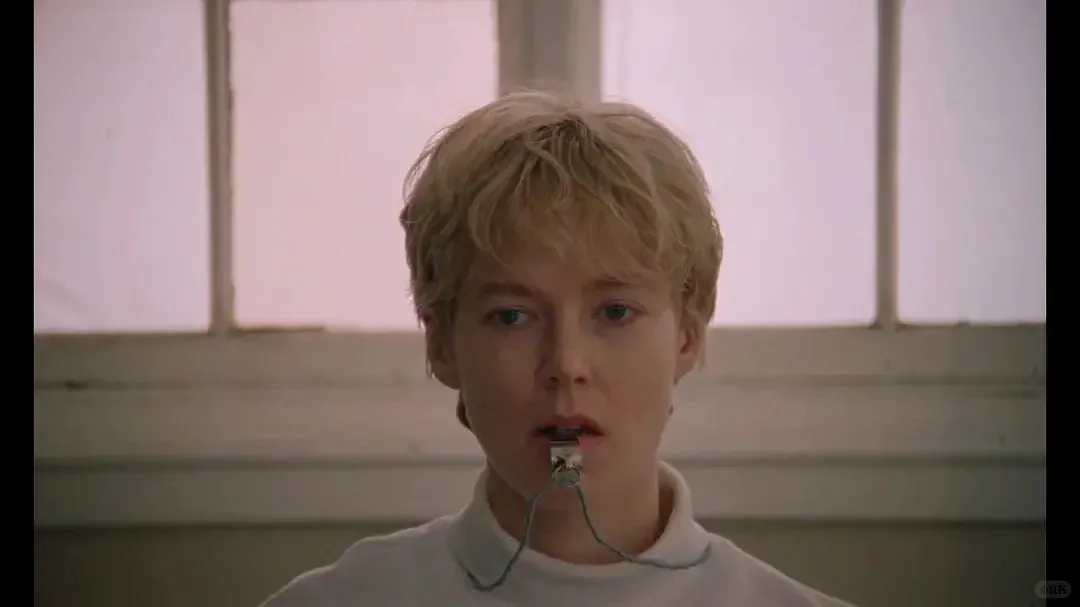
Looking back, I’m honestly ashamed of where that fantasy came from. It wasn’t political judgment; it was visual bias. I subconsciously felt the radical girlfriend was “less suitable” simply because she wasn’t conventionally attractive.
That realization alone made the film hit harder than I expected. It forced me to confront how deeply aesthetic norms and social conditioning still shape my reactions, even when I believe myself to be intellectually trained against them.
Blue Jean Official Trailer
At its core, Blue Jean is not a romance film. It’s a film about the cost of respectability.
Jean is not a coward in a simple sense — but she is someone who has chosen survival through separation. She draws a hard line between her public life and her private life, believing that keeping them apart will protect everyone involved. In reality, that separation becomes a form of harm.

Her girlfriend, often labeled “too aggressive” or “too radical,” is actually the braver one. She openly challenges homophobic men, proudly claims her sexual identity, and refuses to shrink herself for comfort. As Jean herself once puts it: she is proud of who she is.
Jean, by contrast, is terrified. She wants a clean, respectable public life — and she pays for it by betraying people who share her position.
Blue Jean Cast
Charactor

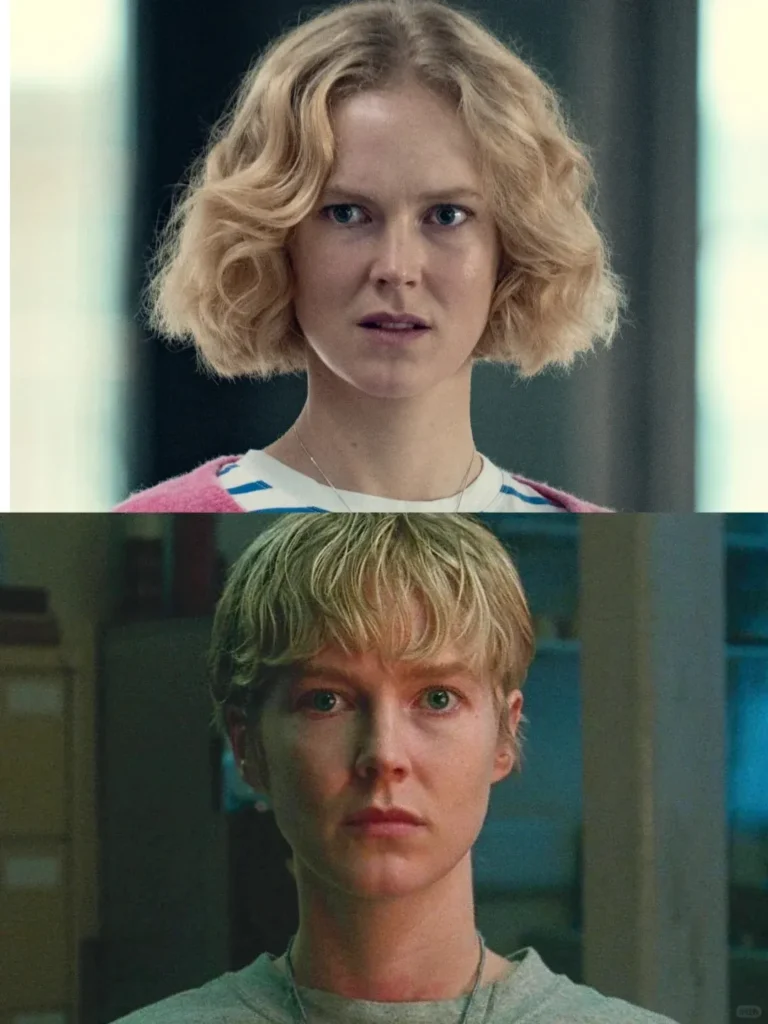
Jean is a lesbian PE teacher living a carefully divided life in 1980s Britain, trying to survive by separating her public respectability from her private desire. She is not openly closeted, but never fully visible either — constantly managing risk, tone, and distance.
Rosy McEwen
Rosy McEwen’s performance is all about containment. She plays Jean as someone always monitoring herself: posture, voice, expression. What stayed with me is how exhausting her silence feels. Jean isn’t unaware of her cowardice — she’s simply learned to live inside it. McEwen makes that internal tension palpable without ever turning it into melodrama.

Viv is Jean’s girlfriend, openly queer, politically conscious, and unapologetic about her identity. She refuses to make herself smaller for comfort, and that refusal is precisely what makes her threatening to Jean’s fragile balance.
Kerrie Hayes
Kerrie Hayes brings warmth and sharpness to Viv, avoiding the stereotype of the “angry radical lesbian.” Instead, Viv comes across as emotionally honest and deeply tired of being hidden. From my perspective, she is the braver one in the relationship — not because she shouts louder, but because she refuses to lie.

Lois is a queer teenage student who becomes the mirror Jean cannot ignore. She is quieter, more vulnerable, and far less protected — yet more willing to push against the system that marginalizes her.
Kerrie Hayes
Lucy Halliday plays Lois with a fragile defiance that feels painfully real. She isn’t written as a symbol or a plot device; she feels like a young person trying to understand herself in a world already suspicious of her. Her presence exposes the cost of Jean’s self-preservation, and Halliday makes that exposure impossible to dismiss.
Director
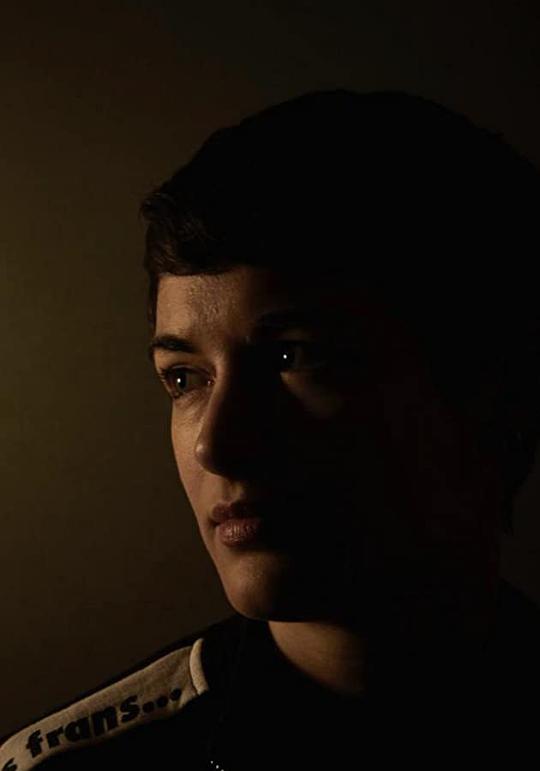
Georgia Oakley
Blue Jean is Georgia Oakley’s feature debut, and it already shows a very clear authorial voice. She doesn’t dramatize oppression through spectacle, but through everyday restraint, silence, and social performance. What impressed me most is her refusal to offer moral shortcuts — Jean is never framed as purely right or wrong. Oakley trusts the audience to sit with discomfort, and that trust gives the film its quiet power.
Blue Jean Review
Review



Double Lives and the Illusion of Safety
By day, Jean is a PE teacher — socially acceptable, emotionally distant, and safely contained.
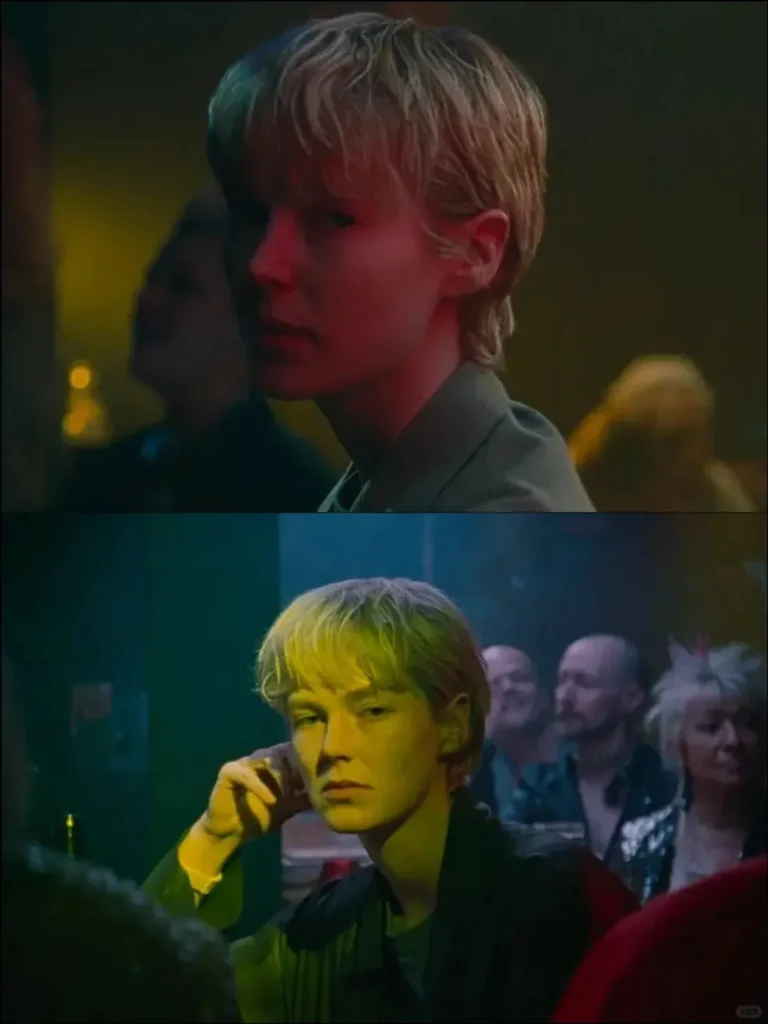
By night, she enters queer spaces where desire, freedom, and community exist — but always with one foot out the door.
She introduces her girlfriend as a “friend” to family members.
She forbids phone calls to her workplace.
She insists her queer friends keep distance from her students.
Jean believes she is managing risk. What she is actually doing is reinforcing the same structures that threaten her.
The film is brutally honest about this: respectability is not neutral. It comes at a price, and that price is usually paid by someone more vulnerable.
Lois: The Mirror Jean Can’t Ignore
From the moment Jean sees Lois, she recognizes herself.
Lois is quieter, younger, weaker — but unmistakably queer. She is already being watched, judged, and targeted in the same ways Jean once was. Jean wants to protect her, but only within “safe” limits. She offers Lois the survival strategy of an older generation: endure, stay quiet, wait it out.
But Lois belongs to a different moment. She doesn’t want to survive quietly. She wants to live honestly.
When Lois accidentally discovers Jean’s secret, she doesn’t expose her out of cruelty. Instead, she pushes — clumsily, angrily, desperately — trying to force Jean to stop standing alone. Every provocation is a demand for solidarity.
Jean refuses.
And in doing so, she chooses herself over someone who needed her.
The Breaking Point: Saying the Words Out Loud
The emotional climax of Blue Jean isn’t dramatic or cinematic in a traditional sense. It’s painfully small.
Jean finally says it out loud: “I’m a lesbian.”
This happens in 1980s Britain, under the shadow of Section 28 — but what haunted me is this:
It’s now 2025, and scenes like this still function as cinematic climaxes.
Why is simply naming one’s sexual identity still treated as a moment of bravery?
That question lingers long after the film ends.
An Open Ending That Refuses Comfort
Blue Jean refuses a redemptive ending. Jean’s wounds don’t heal neatly. Her girlfriend is gone. Lois does not forgive her. The world does not suddenly become kind.
What Jean gains is not absolution, but clarity.
She laughs — not out of joy, but out of painful recognition. The principles she thought protected her now look fragile, even absurd. And she understands, finally, that no one survives oppression alone.
Why This Film Matters
Blue Jean tells a quiet, devastatingly universal story:
Do marginalized people have a responsibility to fight for their identity — or is survival enough?
Jean’s answer changes too late to save what she’s lost, but not too late to matter.
This is not a heroic story.
It’s not comforting.
And that’s precisely why it feels honest.
In the past, stories like this were rarely told.
In the future, we will never have too many of them.