
But I’m a Cheerleader is one of those lesbian movies that feels playful on the surface but hits much harder underneath. With its candy-colored visuals, satirical tone, and coming-of-age romance, this cult queer film turns the cruelty of conversion therapy into something absurd, exposing how ridiculous and harmful those systems really are. For me, it stands out as a lesbian comedy-drama that mixes innocence, rebellion, and emotional clarity in a way that still feels fresh.
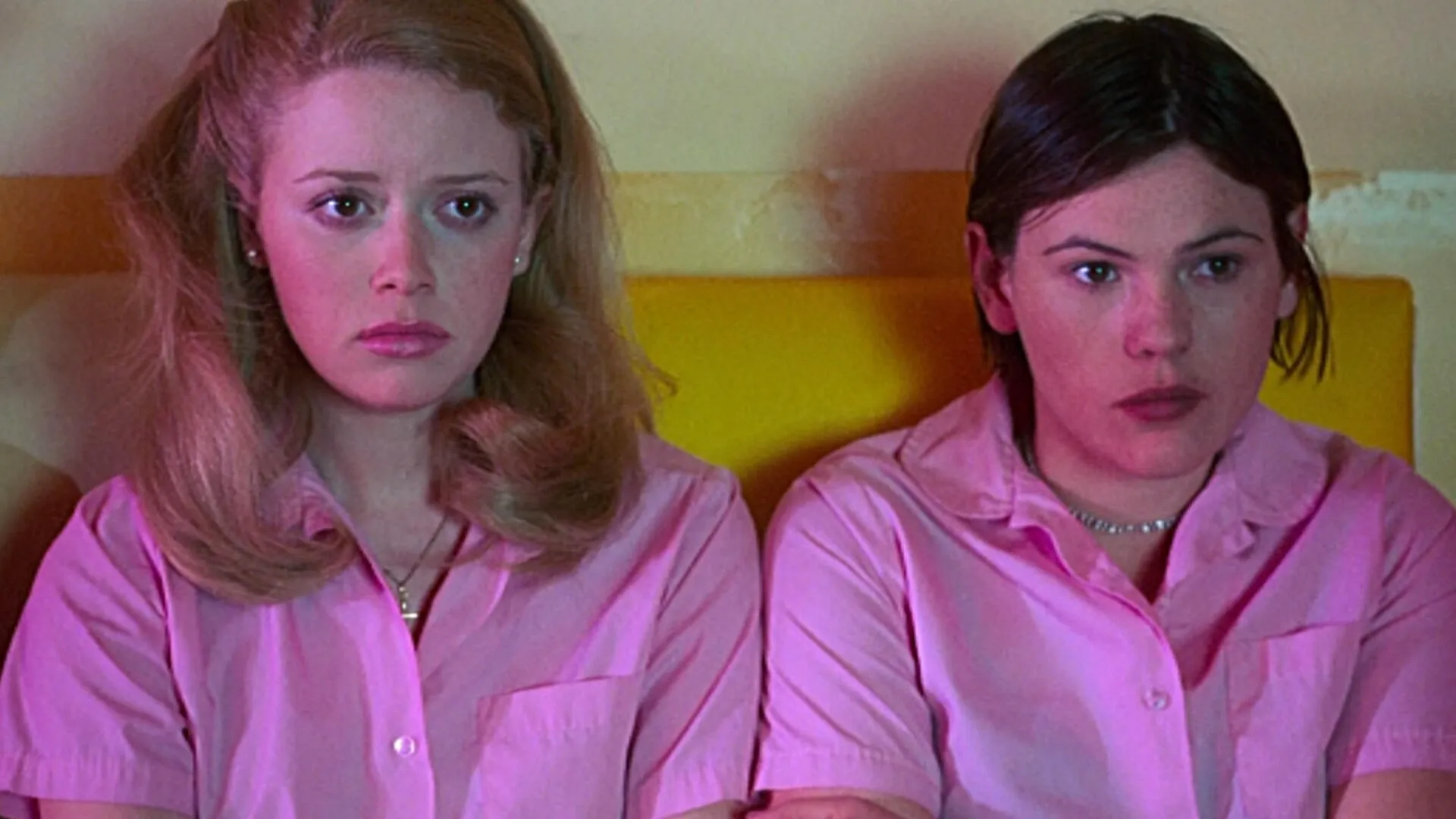
But I’m a Cheerleader Summary | |
|---|---|
| Title: | But I’m a Cheerleader |
| Year: | 1999 |
| Genre: | Lesbian movie, queer comedy-drama, coming-of-age film, satirical romance |
| Director: | Jamie Babbit |
| Main Cast: | Natasha Lyonne, Clea DuVall, RuPaul, Cathy Moriarty |
| Why I Recommend It: | A visually iconic lesbian cult classic that uses humor, color, and romance to mock repression and celebrate queer self-discovery. |
Plot
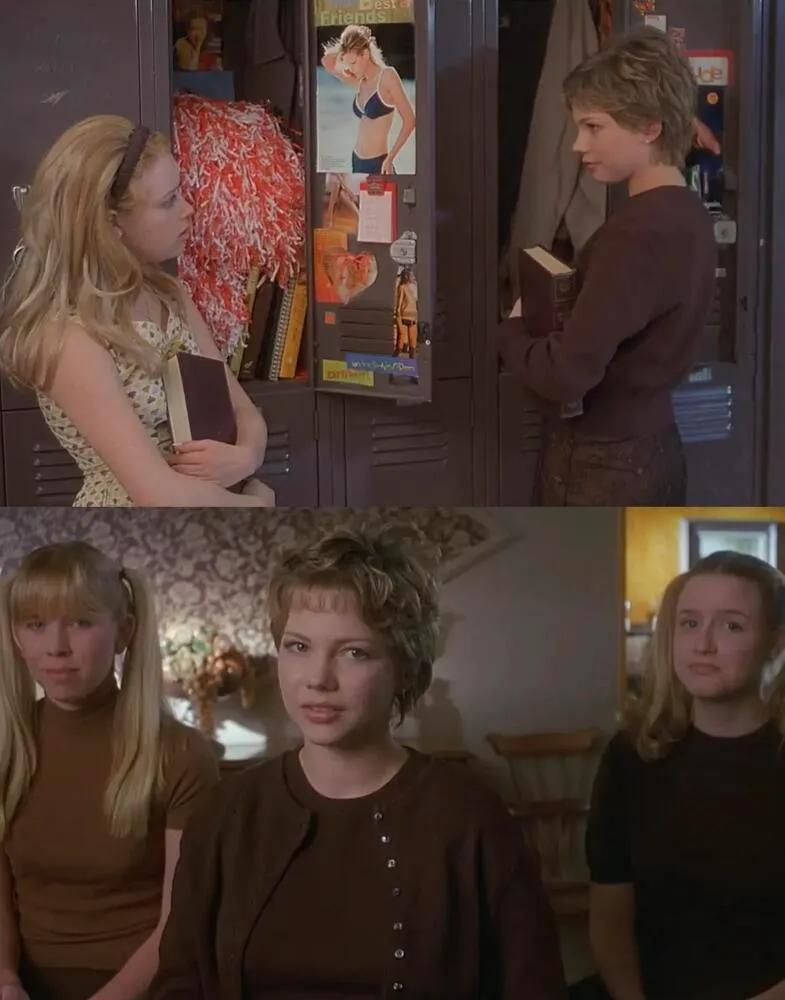
Megan is a high school cheerleader who seems to fit perfectly into the straight, all-American image expected of her. But the people around her—her parents, teachers, friends, and even her boyfriend—become convinced that she is a lesbian. Their reasons are both ridiculous and revealing: she notices other girls’ bodies, keeps images of women on her wall, and shows little interest in her boyfriend’s affection.
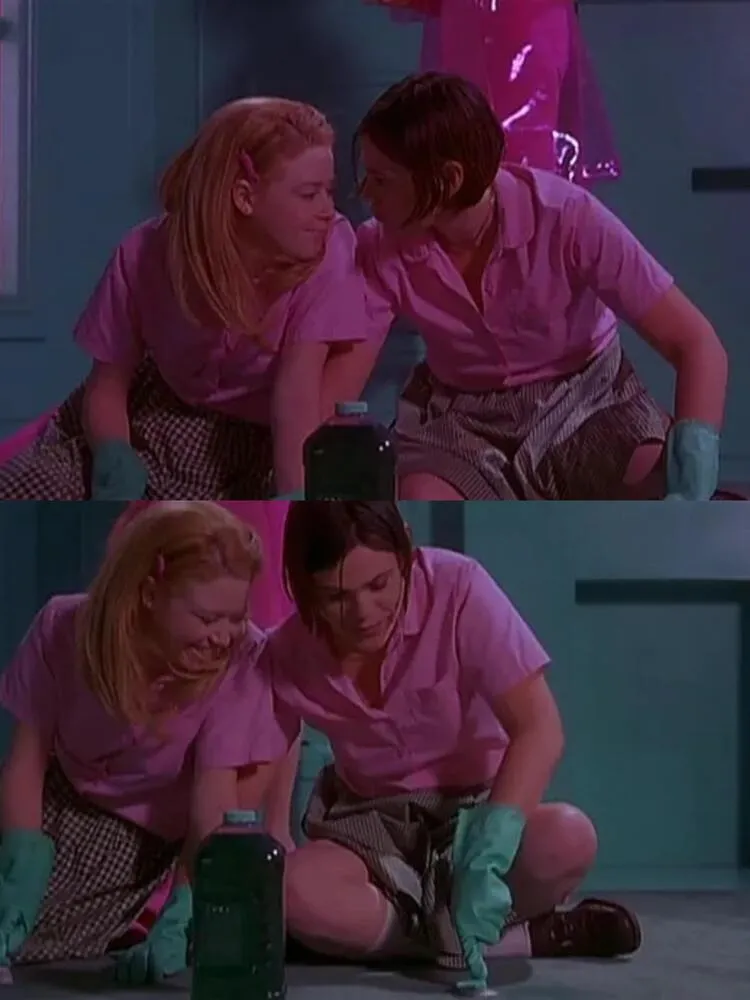
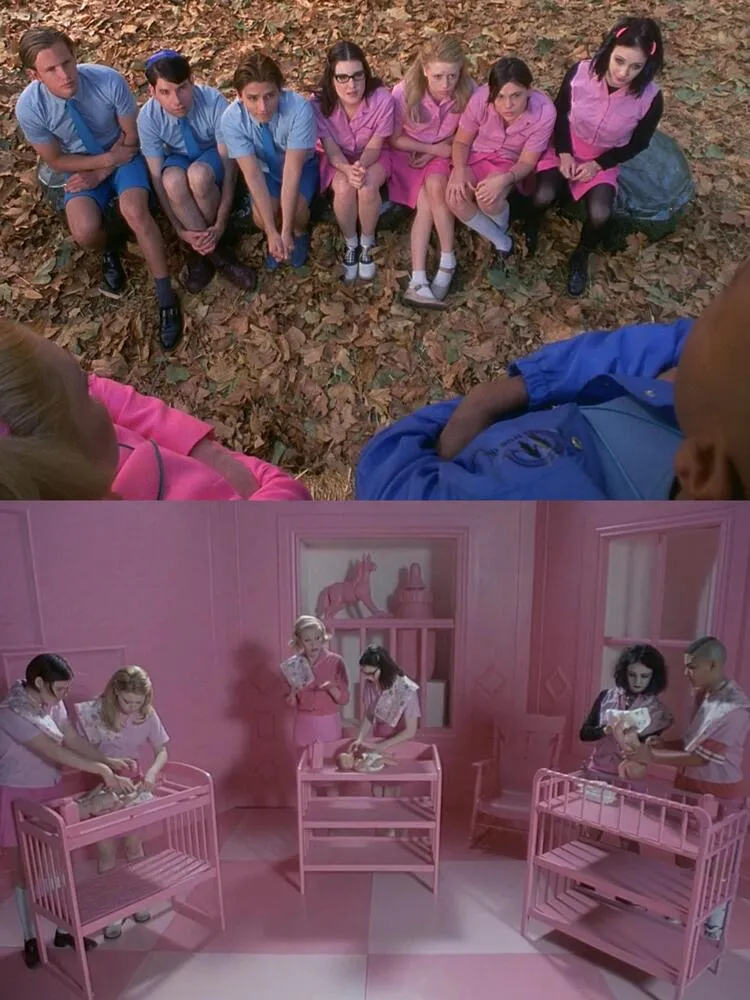
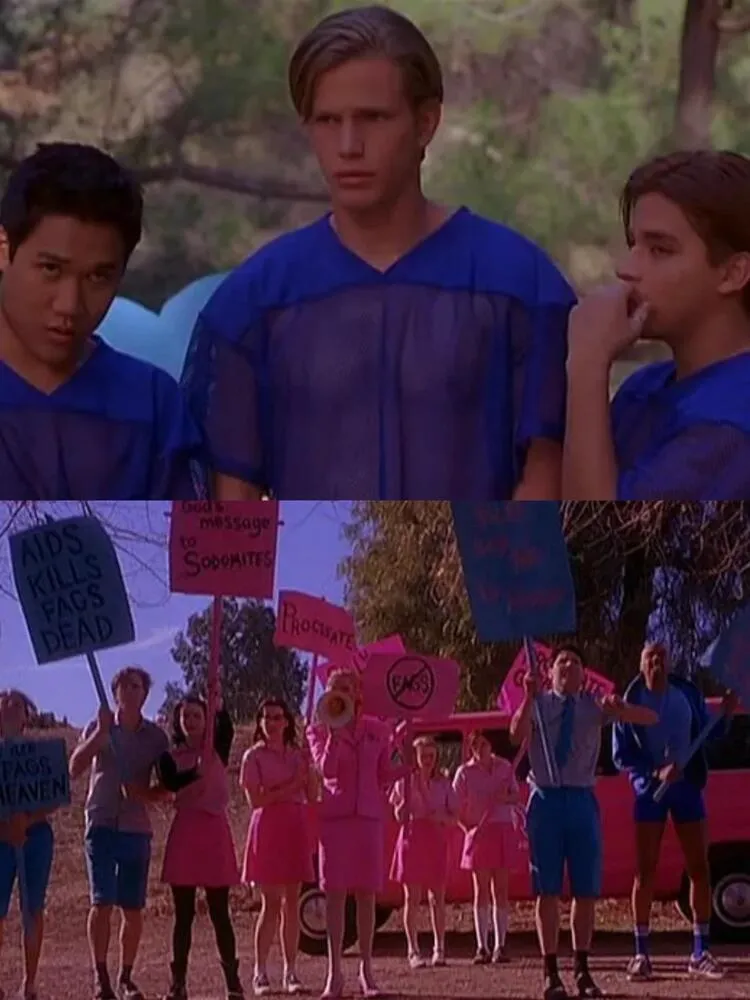
Before Megan has even fully understood her own feelings, she is sent to a conversion camp called True Directions, where young people are forced into a program designed to “correct” their sexuality and gender expression. The camp teaches boys to become more traditionally masculine and girls to become more traditionally feminine, reducing identity into a series of roles, costumes, and behaviors.
At first, Megan does not even think of herself as gay in any clear political or personal sense. That is what makes the story especially striking to me. She is not entering the camp after confidently claiming an identity. She is pushed into it by other people’s fear, and only through the camp’s absurdity does she begin to see herself more clearly.
Inside this harsh but strangely theatrical environment, Megan meets Graham, a rebellious girl who does not try to fit the system at all. Their growing connection slowly becomes the emotional center of the film. What starts as confusion turns into recognition, then into love. In the end, Megan is forced to decide whether she wants a life built on approval and performance, or one built on honesty.
But I’m a Cheerleader Cast
Charactor

A high school cheerleader whose supposedly perfect straight life begins to fall apart when everyone around her decides she must be gay. Megan starts the film confused and compliant, but gradually grows into someone who can finally choose herself.
Natasha Lyonne
Natasha Lyonne gives Megan a mix of innocence, awkwardness, and emotional sincerity that keeps the film grounded. She is best known for Russian Doll, Orange Is the New Black, and Slums of Beverly Hills, but this remains one of her most beloved queer roles because of how gently and truthfully she plays Megan’s awakening.
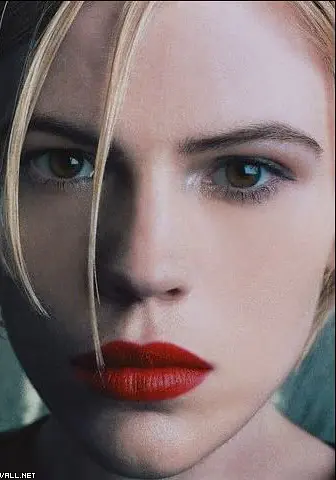
Graham is the girl at True Directions who seems far less interested in pretending. She is sharp, emotionally guarded, and clearly skeptical of the entire conversion program, which makes her a natural contrast to Megan.
Clea DuVall
Clea DuVall has long been a familiar face in queer-adjacent and cult cinema, with credits including The Faculty, Girl, Interrupted, and The Handmaid’s Tale. Her understated performance here is one of the reasons the central romance works so well. She gives Graham a quiet sadness without losing her defiant edge.
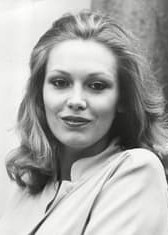
Mary is one of the adults running the conversion camp, and she represents the kind of authority that disguises cruelty as moral correction. The character is exaggerated, but the danger she represents is very real.
Cathy Moriarty
Cathy Moriarty brings exactly the right level of theatrical control to the role. Known for Raging Bull, Soapdish, and Cop Land, she adds a biting satirical weight to the film’s critique of institutionalized conformity.
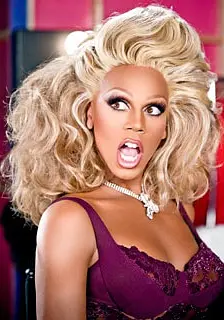
Mike is one of the camp’s authority figures, and his presence adds another layer of irony to the entire setting. The film uses him as part of its exaggerated vision of gender policing and performance.
RuPaul
RuPaul’s appearance is especially memorable in hindsight. Best known for building one of the most important global drag franchises through RuPaul’s Drag Race, he adds camp energy and meta-queer resonance to a film already overflowing with symbolic contrast.
BEST SCENES
1. Megan being “diagnosed” by everyone around her
This opening section is one of the funniest and most disturbing parts of the film. The reasons people give for Megan being a lesbian are absurd, but that is exactly the point. The scene exposes how shallow and performative heterosexual expectations can be.
2. The confession and “cause” exercises at the camp
I found these scenes especially sharp. The campers are pushed to invent explanations for why they are “wrong,” and the answers range from ridiculous to painfully revealing. It is one of the clearest examples of how social control works through forced self-denial.
3. Megan and Graham growing closer
These scenes give the movie its emotional heartbeat. Their connection develops inside a place designed to erase desire, which makes every shared moment feel quietly rebellious.
4. The final public declaration
The ending is iconic for a reason. It turns shame into defiance and gives the film a finish that feels both funny and liberating. It is the kind of ending that leaves the viewer smiling, but also thinking.
But I’m a Cheerleader Review
Review
Story – 4.5/5
What I really love about But I’m a Cheerleader is that it tells a very serious queer story without becoming emotionally flat or self-important. The premise is dark—young people being sent away to be “fixed”—but the film never presents that cruelty in a dull or preachy way. Instead, it leans into satire, exaggeration, and camp to expose how absurd these systems are.
The writing understands something important: oppression is not always loud and dramatic. Sometimes it comes dressed in cheerful colors, fake concern, and social rules that everyone pretends are normal. That contrast gives the film its power. Underneath all the playful production design is a story about how identity gets policed, denied, and reshaped by others before a person even has time to name it for themselves.
Acting – 4/5
Natasha Lyonne gives Megan a softness that really works for this story. She plays her as someone who is not weak, but deeply conditioned to please everyone around her. I liked that Megan does not become instantly rebellious or self-aware. Her confusion feels honest, and that makes her emotional journey more satisfying.
Clea DuVall brings a cool, guarded energy to Graham, and that contrast helps the romance land. Graham feels like the kind of person who has already seen through the lie of the whole system, even if she is still carrying her own pain. The supporting cast also understands exactly what kind of movie this is. No one seems to be playing it too realistically or too broadly. The tone stays balanced in a way that keeps the satire sharp.
Chemistry – 4.5/5
The chemistry between Megan and Graham is one of my favorite parts of the film. It is not presented as a grand tragic romance. It feels young, awkward, tender, and real in the middle of all the stylized absurdity. That innocence matters. Their connection gives the film emotional grounding, so the satire never becomes empty performance.
I also think the film captures a very specific queer feeling: the moment when being around another girl suddenly makes your whole life look different. Megan’s growing awareness does not come through speeches. It comes through attention, discomfort, curiosity, and emotional pull. That felt very true to me.
Production – 5/5
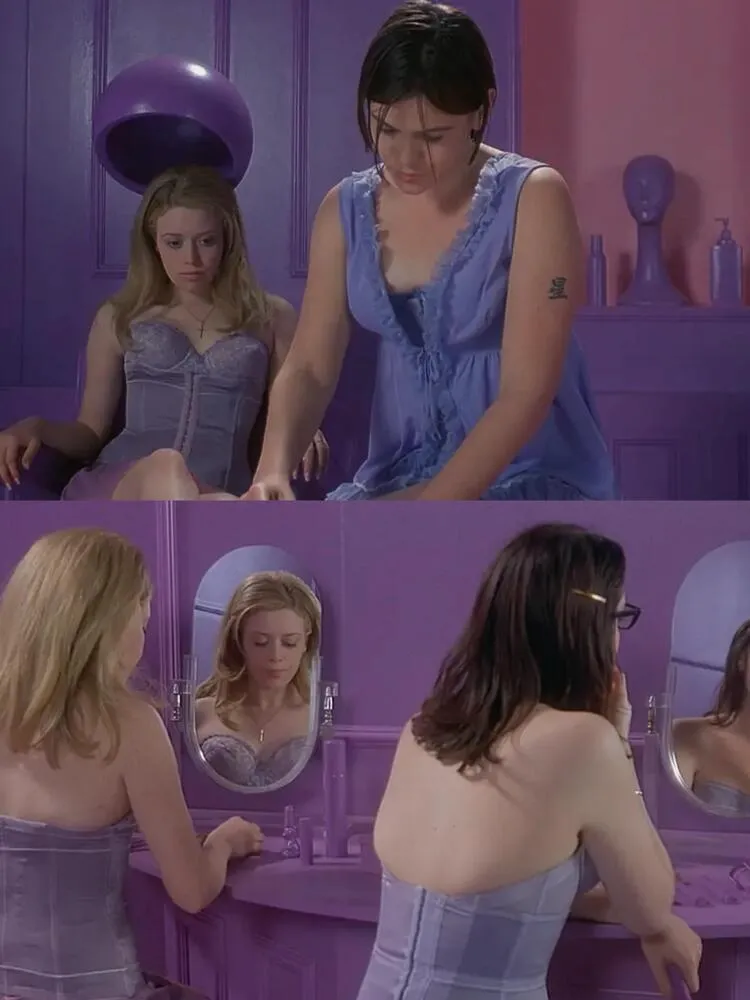
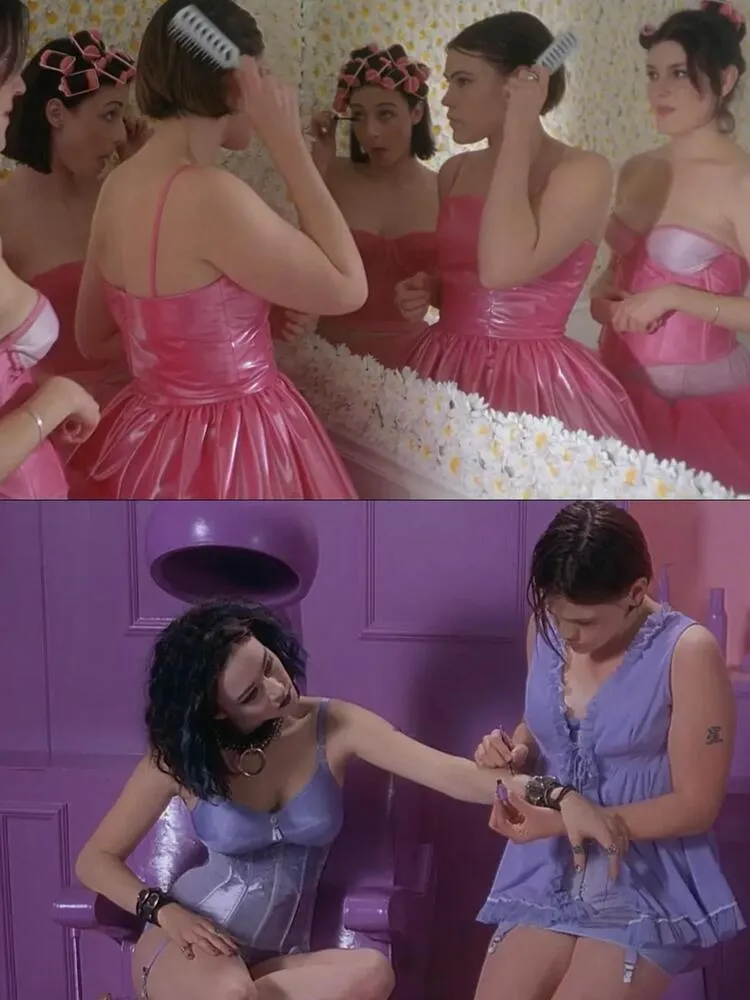
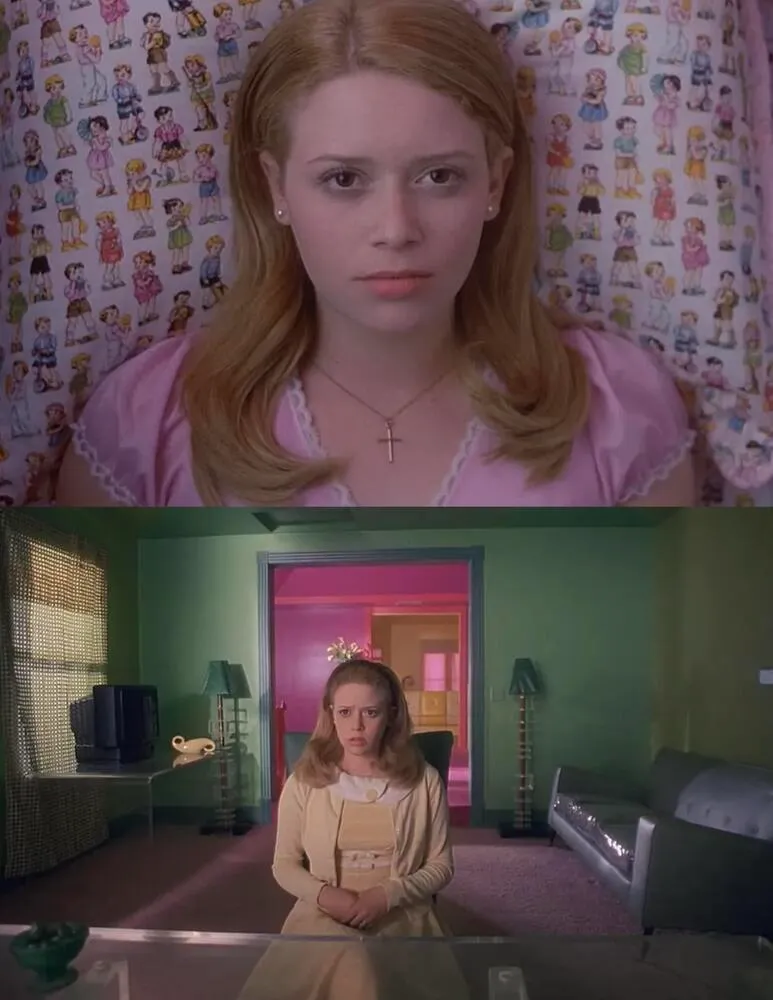
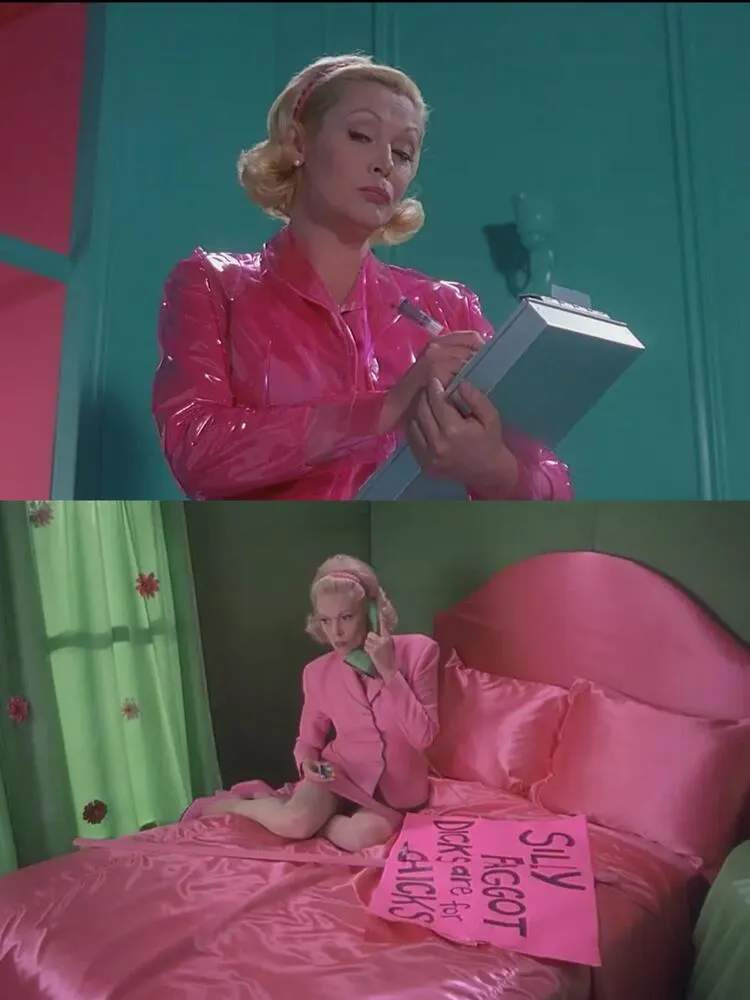
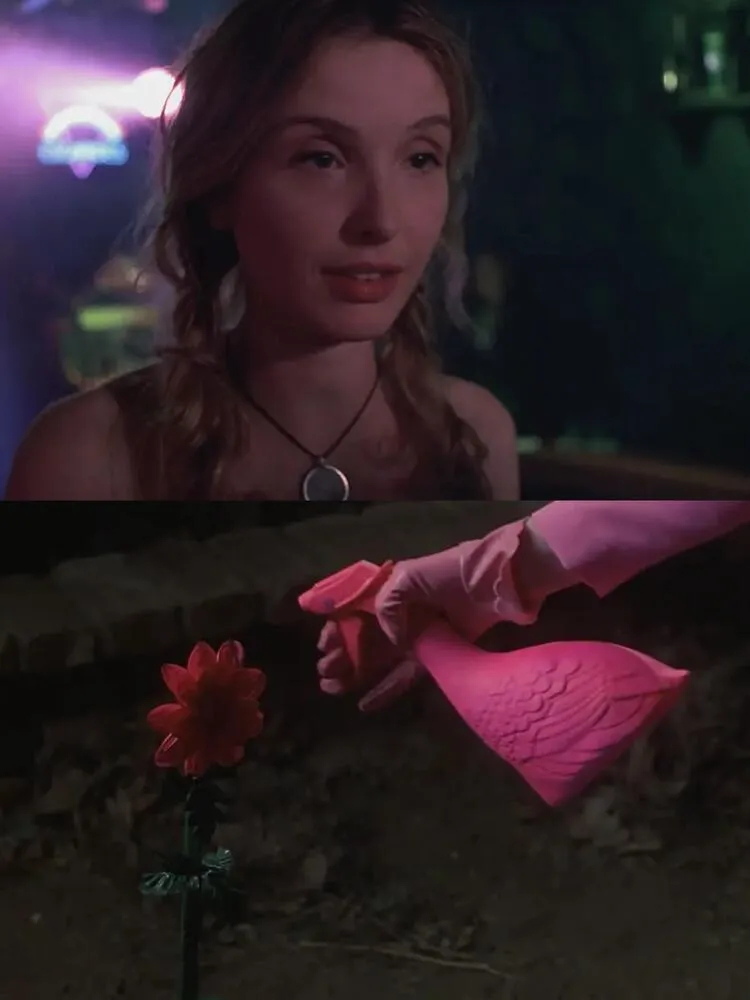
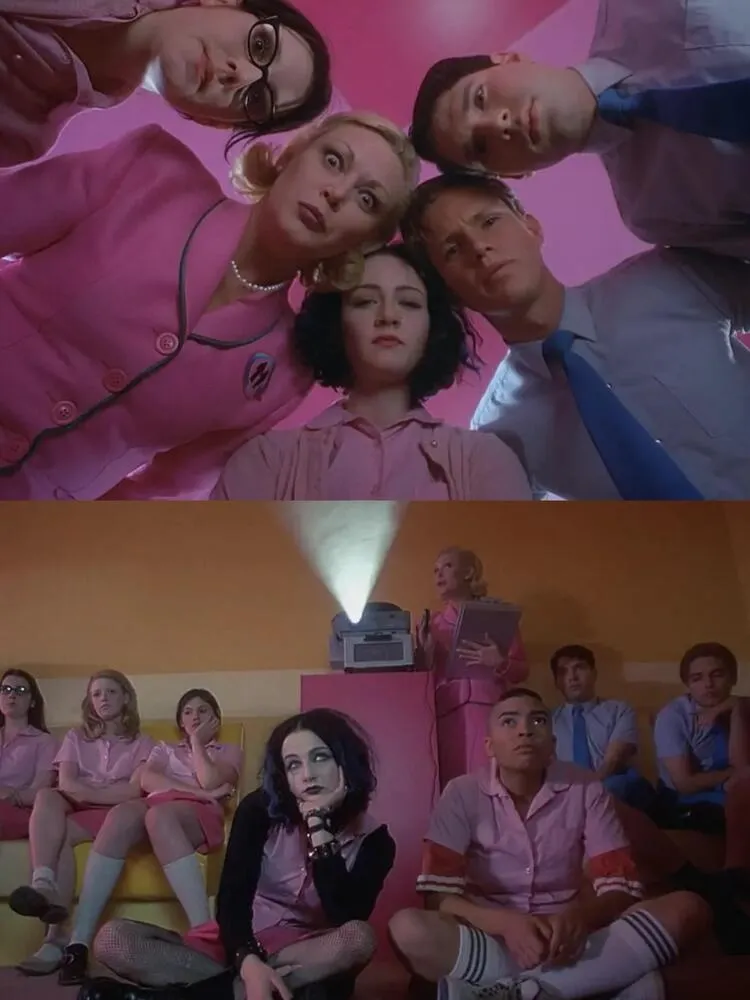
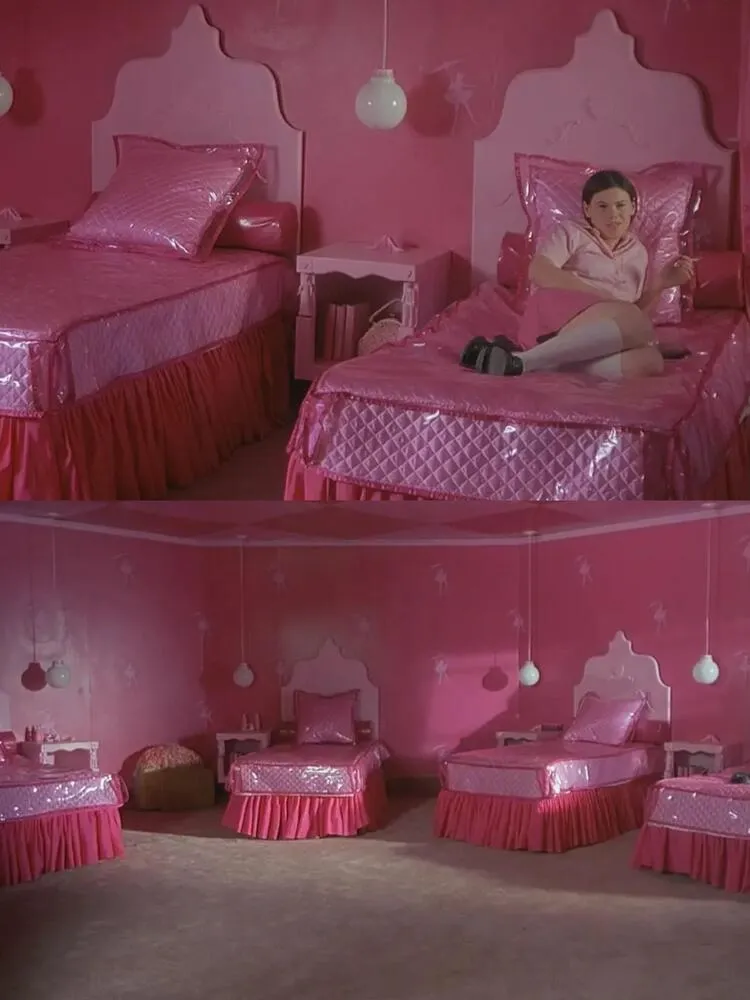
This is probably the most unforgettable part of the movie. The bright pinks, blues, rigid costumes, artificial sets, and dollhouse-like spaces make everything feel surreal, almost like a queer nightmare wrapped in bubblegum packaging. I genuinely think the visual design is a huge part of why this film became such a cult favorite.
The movie uses color in a very clever way. It turns heterosexual “normalcy” into something artificial and staged, while queer energy feels alive underneath the surface. That reversal is one of the film’s smartest choices. It is funny to watch, but it also leaves a strong impression. Even now, the aesthetic still feels instantly recognizable.
Ending – 4.5/5
I found the ending genuinely satisfying. It does not try to overcomplicate itself, and it does not betray the spirit of the film by becoming overly cynical. Instead, it gives Megan and Graham a rebellious, emotionally earned conclusion that feels right for this kind of story.
One detail I especially love is the idea that the people who truly need “re-education” are not queer kids, but the parents and social structures that refuse to accept them. That final reversal lands perfectly. It keeps the satire intact while also offering a note of hope.
My Take
For me, But I’m a Cheerleader is special because it does not approach queer pain in the most expected way. A lot of LGBTQ films ask the audience to sit in loneliness, punishment, secrecy, or tragedy. This one understands those things are real, but it filters them through irony, color, humor, and first love. That makes the critique sharper, not softer.
What stayed with me most is the way the film shows how identity can be denied before it is even fully understood. Megan is told who she is by everyone else long before she can say it for herself. That is such a powerful queer experience to center. The film is not just about being gay. It is about what happens when society classifies difference as error, then builds systems to erase it.
I also really love the idea that this so-called “rehabilitation camp” accidentally becomes the place where queer connection flourishes. That irony is brilliant. Put a group of outsiders together, try to control them, and instead they begin to see themselves more clearly. The film turns repression into a space where truth becomes harder to ignore.
As a WLW viewer, I find this movie deeply memorable not because it is the most realistic lesbian film ever made, but because it understands queer awakening emotionally. The romance has that fragile, first-recognition feeling. The whole movie feels like a battle between performance and honesty, and in the end, honesty wins. That is why it still matters.
Why This Movie Matters for Queer Audiences
But I’m a Cheerleader matters because it proves queer cinema does not have to choose between critique and joy. It can be politically sharp and emotionally warm at the same time. The film mocks conversion therapy, rigid gender roles, and the policing of “acceptable” identity, but it never forgets the tenderness of queer self-discovery.
For lesbian and sapphic viewers especially, this movie has remained important because it frames first love not as shameful tragedy, but as clarity. Megan does not become more broken as she gets closer to the truth. She becomes more herself.
Final Verdict
But I’m a Cheerleader is funny, visually unforgettable, and far smarter than its playful surface first suggests. I would not call it the deepest lesbian film ever made, but I would absolutely call it one of the most distinctive. It turns repression into satire, performance into critique, and first love into liberation. That combination is exactly why it has lasted.
If you want a queer movie that is bright, funny, emotionally sincere, and still pointed in what it says about society, this one is very easy to recommend.