
A sapphic romance set in London about two ladies who are torn between tradition and truth. When confident Jordanian socialite Tala meets shy British-Indian aspiring writer Leyla, things go crazy. Then family pressure, religious expectations, and an upcoming wedding get in the way. People who look for “British lesbian movie,” “lesbian romance film,” and “I Can’t Think Straight review” will find a polished, modern classic.
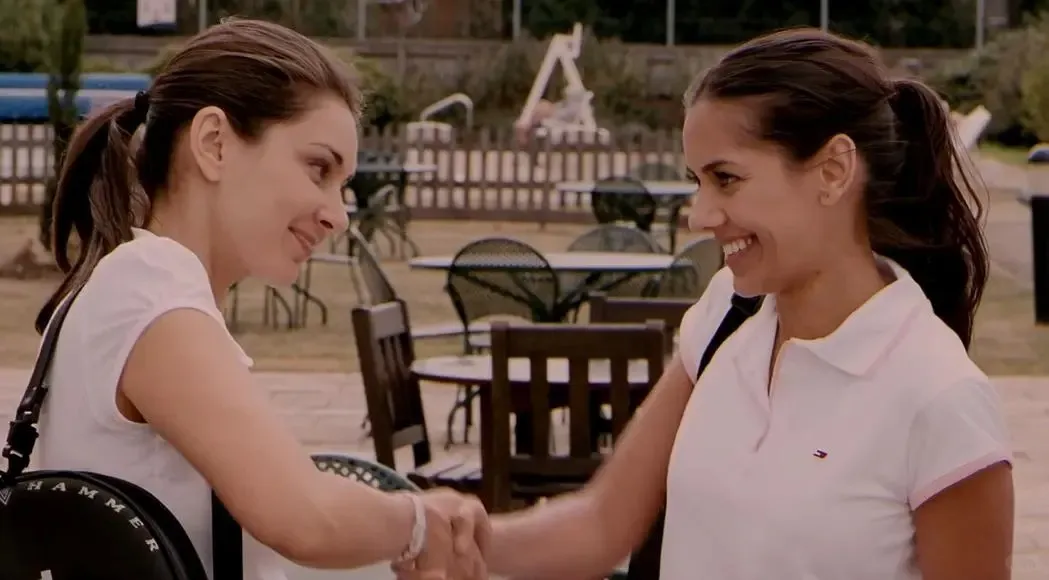
Tala flies between London and Jordan while her parents fast-track a lavish wedding. Through a mutual friend, she meets Leyla, a gentle, soulful writer who has always done “the right thing” but has never quite found herself. Flirtation turns into long conversations about faith, identity, and choice; one bold kiss tips them into a head-spinning first love.

As the wedding countdown tightens, Tala retreats to duty while Leyla moves forward—coming out, finishing her manuscript, and learning to ask for the love she truly wants. A public reunion forces honesty: either keep performing perfect daughterhood or risk everything for a sincere future. The film lands on a tender promise that feels like fresh air after a storm.
I Can’t Think Straight Cast
Charactor

A bold, worldly Jordanian woman raised on perfection and appearances, quick with a tease and quicker to hide her fear.
Lisa Ray
Lisa Ray—known globally for Water—brings star charisma and a cat-eyed intensity. She grounds Tala’s contradictions: the seductress who’s also scared to choose herself.

A London-based British-Indian aspiring writer: sensitive, observant, braver than she realizes.
Sheetal Sheth
Sheetal Sheth calibrates Leyla’s journey from tentative to self-assured with lovely nuance; her quiet humor keeps the role human and relatable.
Director
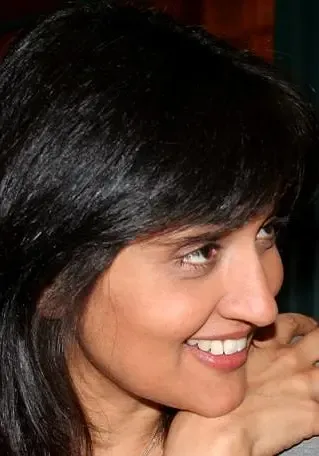
Shamim Sarif
Shamim Sarif is a British-Indian writer, director, and novelist best known for crafting intimate queer stories across cultures. Her works often explore the intersection of love, faith, and identity through a refined, dialogue-driven style. Before I Can’t Think Straight, she directed The World Unseen (2007), which also starred Lisa Ray and Sheetal Sheth. Drawing from her own experiences as a queer woman of South Asian Muslim heritage, Sarif brings both tenderness and clarity to this London–Amman love story.
BEST SCENES
The Tennis Meet-Cute: playful rivalry becomes flirtation; you can feel Leyla’s nerves and Tala’s mischievous read.
Oxford Night In: music, dancing, a close-up that finally breaks into a kiss—sensual without being graphic.
The Faith Debate: a sharp, intimate dialogue where belief and desire collide.
Book Signing Confession: a three-word note turns into a quiet reconciliation that says more than any speech.
The Wedding Decision: Tala’s last-minute courage reframes the entire romance.
I Can’t Think Straight Review
Review
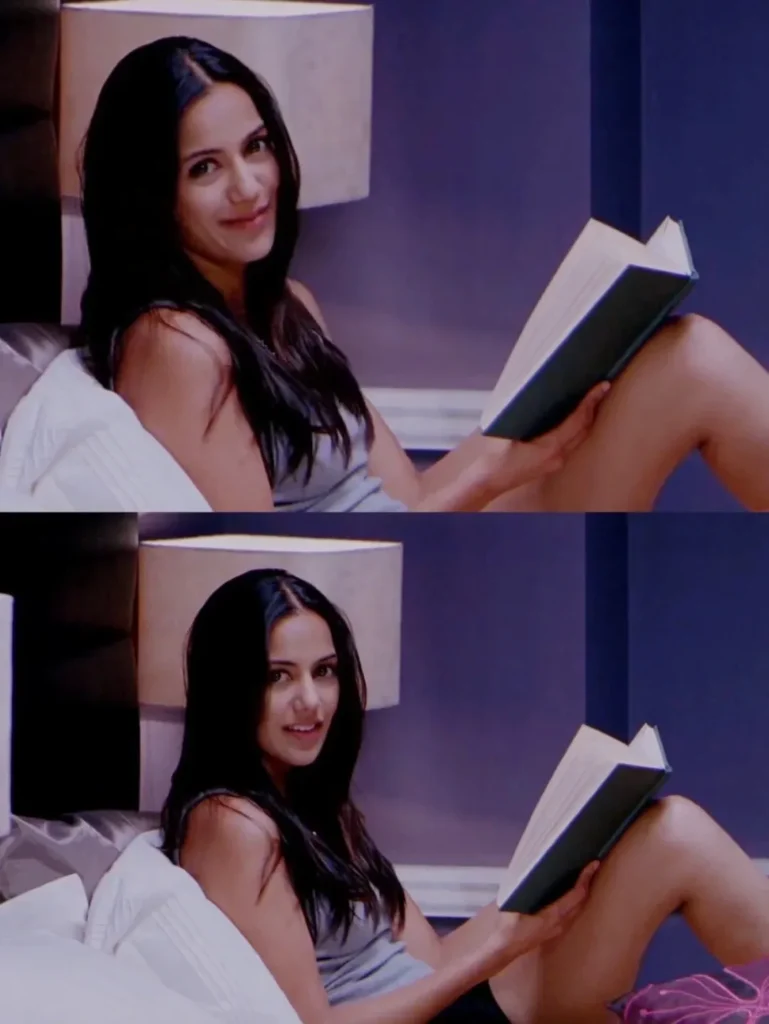
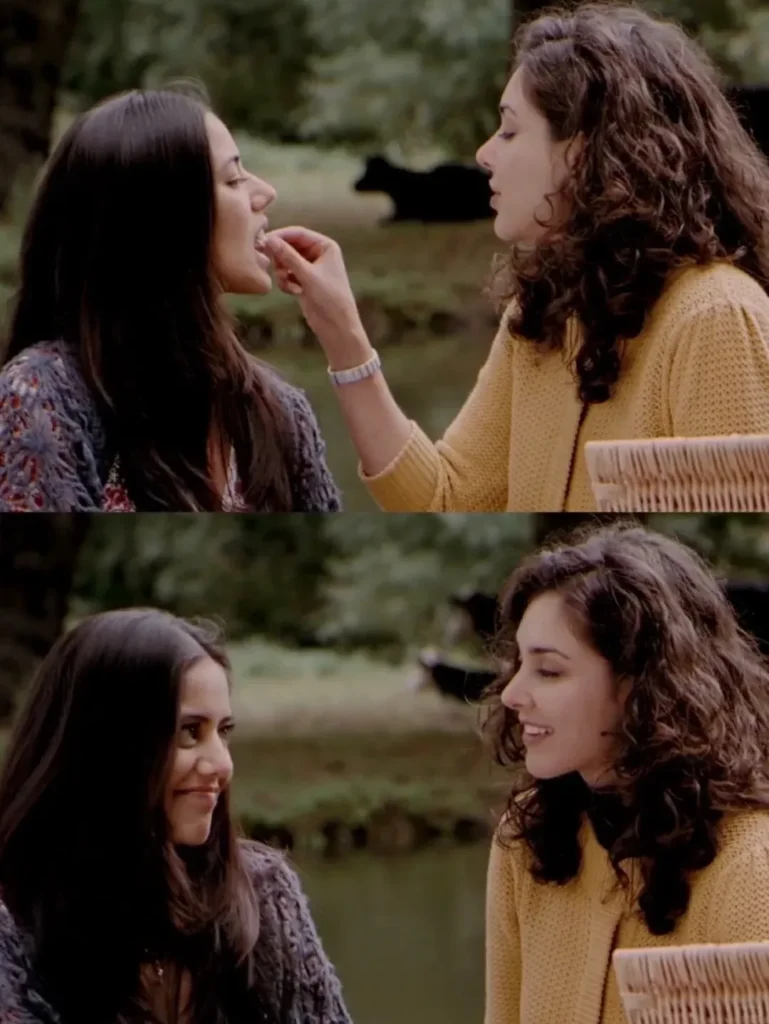

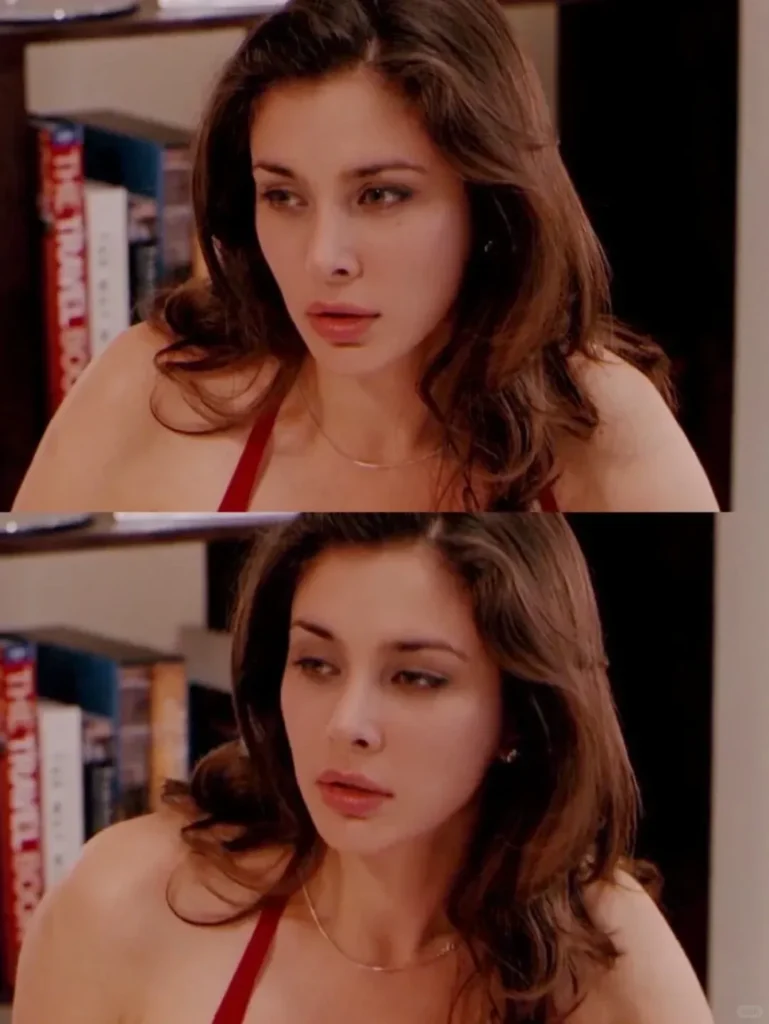

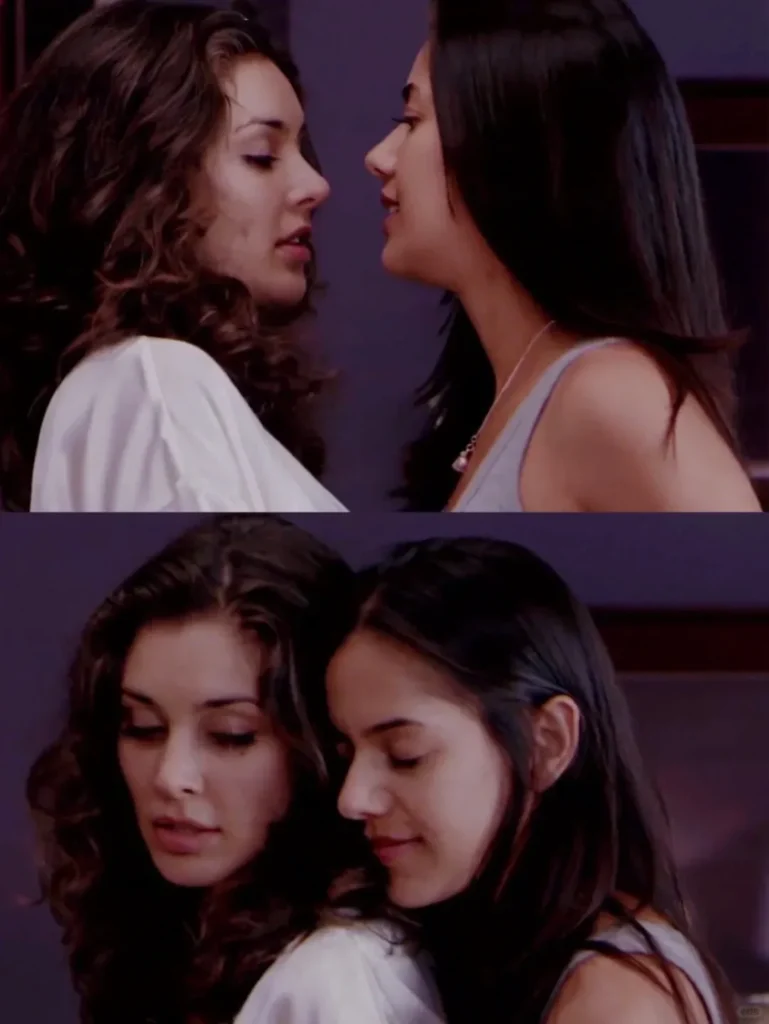
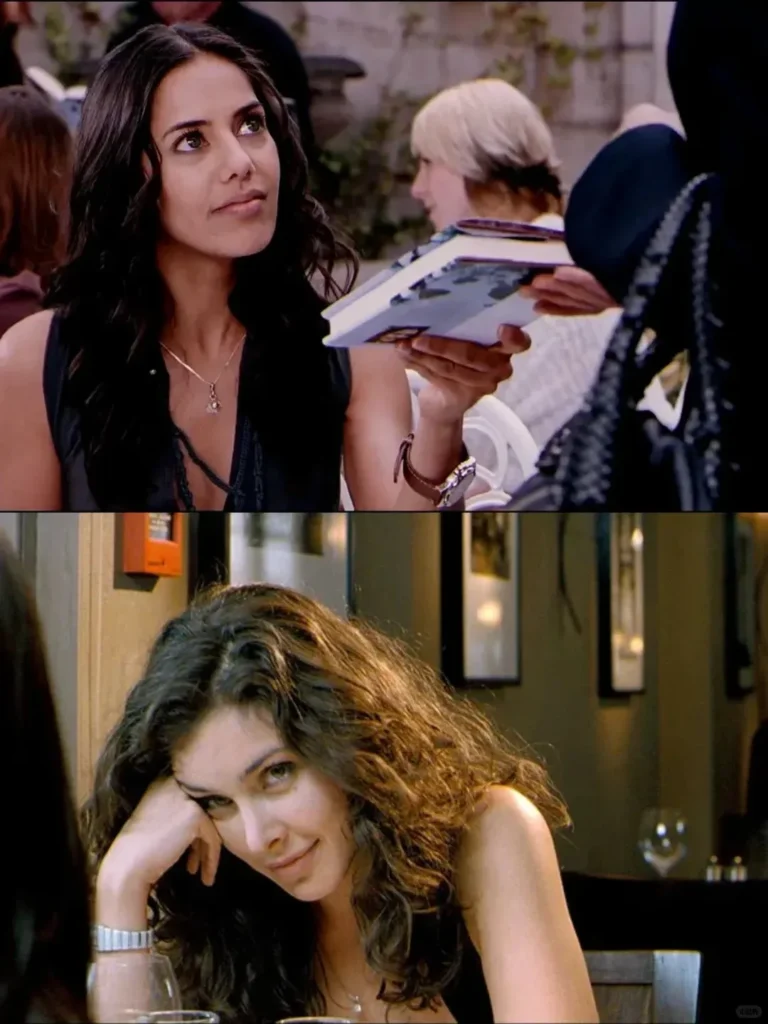
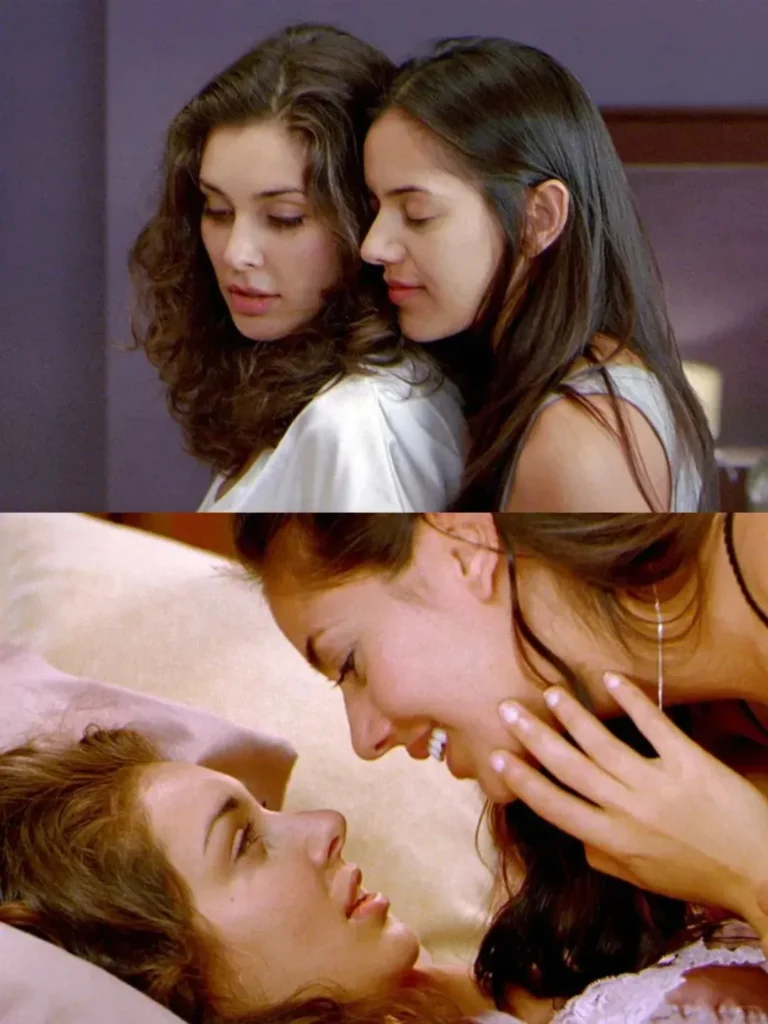
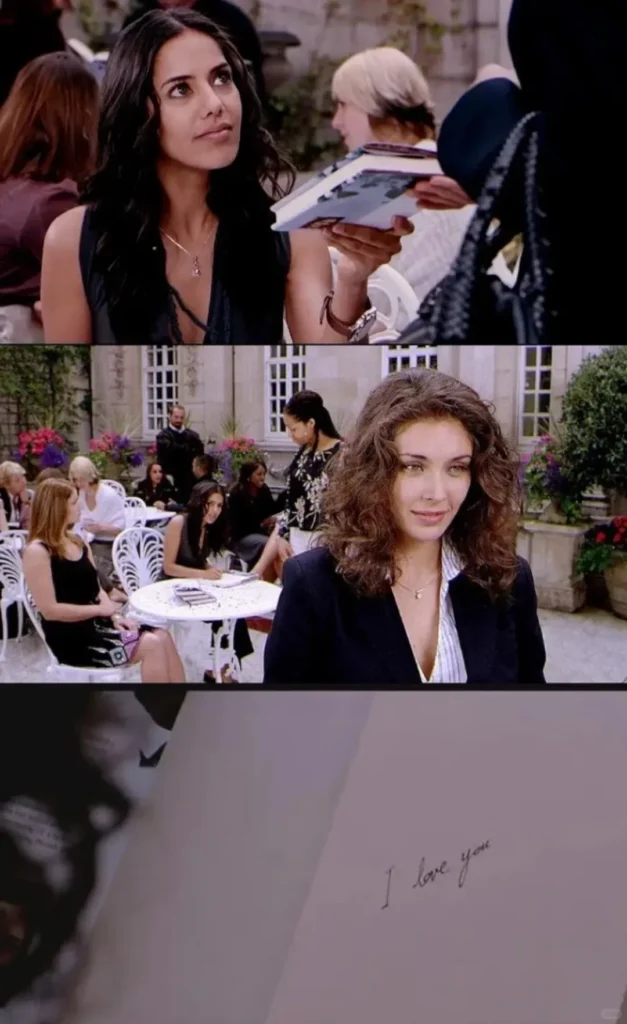
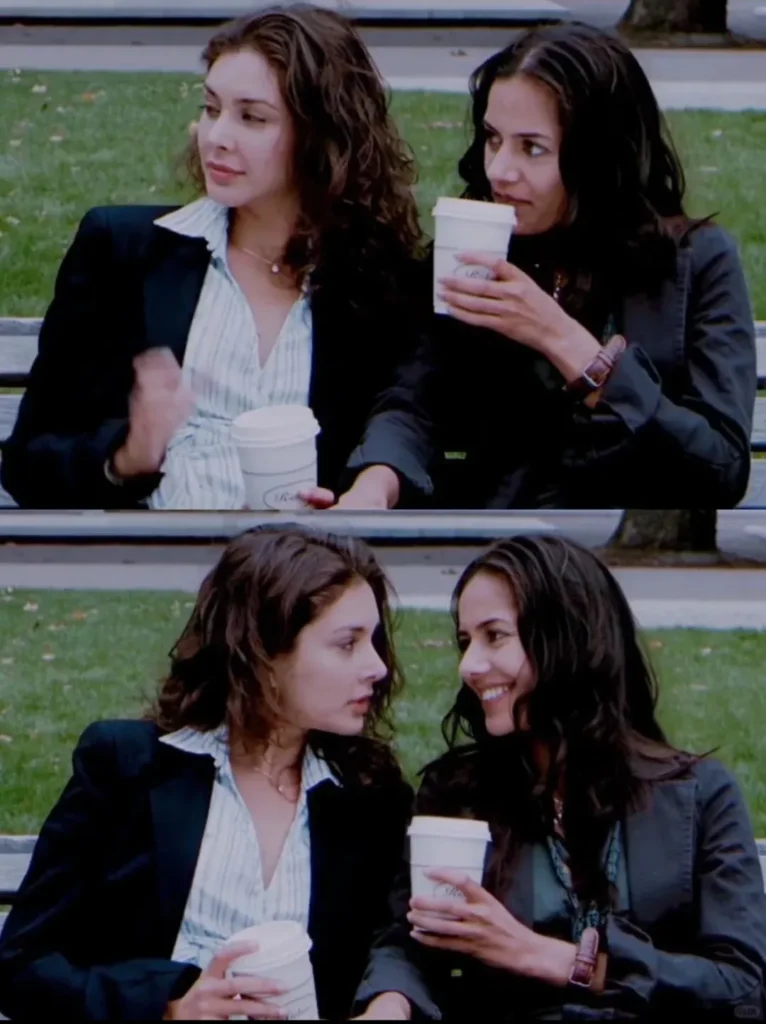
⭐Story – 4/5
Classic opposites-attract arc, but the script’s cultural layers (Jordanian high society, British-Indian family norms) give the romance real stakes. The faith debates and “duty vs desire” beat are handled with light wit rather than heavy lectures.
⭐Acting – 4/5
Lisa Ray’s Tala is all poise and quicksilver charm; Sheetal Sheth lets Leyla bloom from hesitant to self-possessed without losing softness. Supporting parents and friends add texture, even when written as types.
⭐Chemistry – 4.5/5
The glances, the teasing, the tennis-court tension—this pairing sells attraction as recognition. Their talky scenes are just as charged as the cuddled-up ones, which keeps things AdSense-friendly and genuinely romantic.
⭐Production – 4/5
Sun-lit London interiors and Middle Eastern weddings look crisp on a modest budget. Costumes telegraph character: Tala’s sleek confidence vs. Leyla’s understated warmth. The pacing is brisk; a few transitions feel too neat.
⭐Ending – 4.5/5
The bench promise (“one day, soon”) is sweet without syrup. It leaves room for life after credits, which suits a story about choosing honesty day after day.
💬 My Take
I’ve always felt I Can’t Think Straight captures something very specific—the moment before courage. The way Tala and Leyla orbit each other, testing boundaries with wit and fear, feels so human. What starts as flirtation becomes a mirror; each sees in the other the life she secretly wants.
While many British lesbian movies lean toward melancholy, this one leans toward clarity. It’s glossy, yes, but also warm. The tension in that Oxford night—the music, the hesitation, the surrender—isn’t about seduction; it’s about recognition. I also love how the film treats faith not as an obstacle, but as something both women have to redefine for themselves.
Sure, the conflicts resolve neatly, but the emotional truth lingers: loving another woman sometimes means learning to love the part of yourself you once hid.
Novel vs. Film Adaptation
I Can’t Think Straight began as a semi-autobiographical novel by Shamim Sarif, and while the film keeps the same structure and main characters, the tones differ:
| Aspect | Novel | Film |
|---|---|---|
| Tone | More introspective, philosophical; explores Tala’s internal monologue and Leyla’s faith crisis in depth. | Lighter, faster-paced, focused on romance and visual charm. |
| Faith & Identity | Longer, more detailed debates about religion and sexuality, often written as letters or journal-style reflection. | Condensed into quick, witty dialogue—especially the dinner scene about faith. |
| Ending | Ambiguous but hopeful; the reunion is left open-ended. | Firmly happy ending—the “bench scene” gives closure and optimism. |
| Characterization | Tala appears more conflicted, less confident; Leyla’s writing career is a stronger thread. | Film highlights Tala’s charisma and humor, trimming Leyla’s career arc. |
| Theme Balance | 60% identity, 40% romance. | 70% romance, 30% identity—more cinematic but less literary. |
Sarif adapted her own book, so the emotional core remains intact. Yet the movie feels like her public version—a polished mirror of a story that, on paper, was much more private and questioning.
I Can’t Think Straight Information
🎖 Awards & Recognition
Best Feature Film – Miami Gay and Lesbian Film Festival (2009)
Audience Award – Cineffable Paris International Lesbian & Feminist Film Festival
Best Feature – Festival Internacional de Cine LGBT de Chile
Audience Choice Award – Melbourne Queer Film Festival
Nominated for Best Narrative Feature – Frameline San Francisco International LGBTQ+ Film Festival
Where to Watch
🔒 Not available in your region?
Try using a VPN to access official platforms safely.
👉 We use NordVPN because it’s fast, stable for streaming, and works with most geo-restricted BL/GL titles.