
Some LGBT coming-of-age films sting, and it’s because they’re so damn sad. Lost and Delirious is painful to see; it’s like witnessing someone self-destruct, slowly and agonizingly. It’s a movie stitched together from pillow fights, whispered secrets in the dark, classroom uprisings, and declarations of love that feel like they could last forever. Then, without warning, comes betrayal, shame, and a fall from grace so brutal it left you gasping, even as the screen goes dark.

What makes this film unforgettable isn’t just the tragic ending; it’s how honestly it captures those teenage years when love feels like destiny, and heartbreak feels like death. Paulie and Victoria aren’t simply two girls in love—they’re a perfect match torn apart not by incompatibility, but by fear, family pressure, and the brutal desire to be “normal.” Some stories stay with you because they’re beautiful; this one stays because it’s devastating.
Lost and Delirious Official Trailer
After her mother’s death, the quiet and emotionally fragile Mary is sent to a prestigious girls’ boarding school by her father. There she meets her two roommates: Paulie, wild-hearted and fierce, and Victoria, polished and charming, who seem immediately inseparable. The three girls form a small, intimate world of their own—dancing together at parties, giggling during late-night pillow fights, holding hands in choir practice, and defending each other in class.
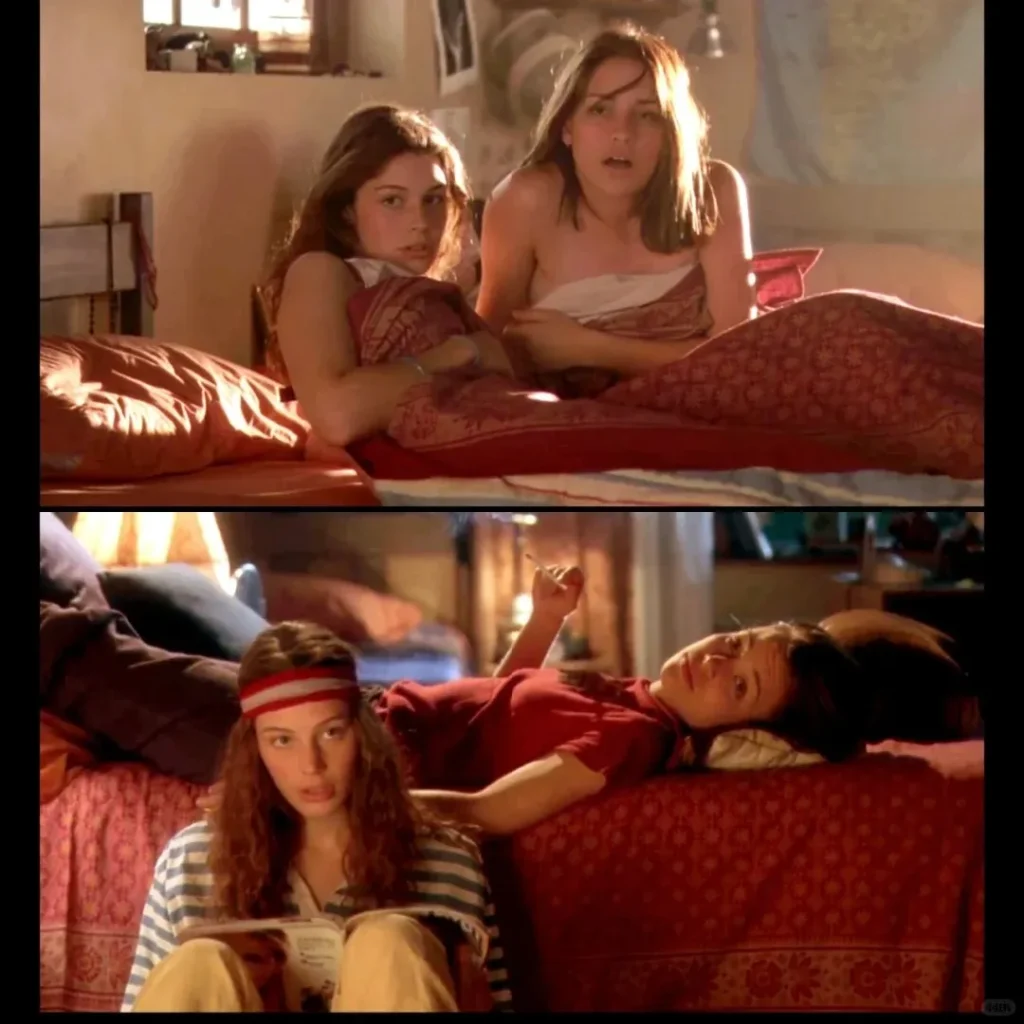
Mary soon realizes that Paulie and Victoria are not merely close friends—they are lovers. Their moments together are passionate and tender: intertwined bodies at night, secret smiles across the lunch table, whispered promises of devotion. “Without you, I am lost,” Victoria once tells Paulie, and in those early scenes, you believe they could survive anything.
Until the morning everything falls apart.
A group of girls barges into the dorm unexpectedly and finds Paulie and Victoria naked in each other’s arms. Rumors explode across campus. Victoria’s religious parents confront her. Terrified of losing their approval, she denies everything—insisting Paulie seduced her, flaunting a new boyfriend named Jake, and loudly performing heterosexuality in front of her peers.
Paulie is shattered. She clings to their love with a ferocity that borders on mythic. She insists, again and again, “We are not just friends. She is mine and I am hers.” Victoria’s betrayal only deepens her obsession. Paulie challenges Jake, wounds him with a sword, and spirals further into the belief that her love is righteous even if the world refuses to allow it.
Victoria is just as torn, but unlike Paulie, she chooses survival. She cries in private, admits to Mary that she still loves Paulie more than anyone, but repeats over and over that she cannot lose her parents’ approval: “Without them I cannot live. This love cannot be.” Her love is real—but her fear is stronger.
Mary remains the quiet witness to everything. Through her eyes, we watch Paulie transform from a proud “hawk-girl,” full of fire and conviction, into someone swallowed by despair. Paulie cannot accept a world where love must be denied to exist. She confronts Victoria, begs for truth, screams at being labeled “a lesbian,” refuses any identity except “the girl who loves.”
In the end, unable to bear betrayal or the shrinking of her world, Paulie chooses the only kind of freedom she believes she has left. In a symbolic and devastating act, she leaps from the rooftop as her trained hawk takes flight—a final gesture of love, pride, and escape.
Mary’s closing narration becomes the film’s final breath: a tribute to Paulie’s fire, the flame that once pulled her out of her own darkness, and the memory she will carry forever.
Lost and Delirious Cast
Charactor

The wild, proud, heartbreakingly intense girl who loves without restraint and refuses to bow to social expectations.
Piper Perabo
Known for Coyote Ugly and the lesbian rom-com Imagine Me & You, Perabo gives one of her most raw and memorable performances here.

A girl torn between love and family. She loves Paulie deeply, yet fear forces her into denial and betrayal.
Jessica Paré
Later well-known for Mad Men, Paré’s portrayal of Victoria’s conflict is delicate, painful, and incredibly human.

The quiet observer whose narration frames the entire tragedy. Through her, we see both love and loss.
Mischa Barton
The O.C. star brings a softness and emotional clarity that anchors the film’s intensity.
BEST SCENES
The pillow fight and choir-hand-holding
The morning discovery in the dorm
Paulie’s speech about love in class
The library sword scene
Paulie witnessing Victoria with Jake under the tree
The rooftop finale with the hawk
Mary’s closing monologue
Lost and Delirious Review
Review
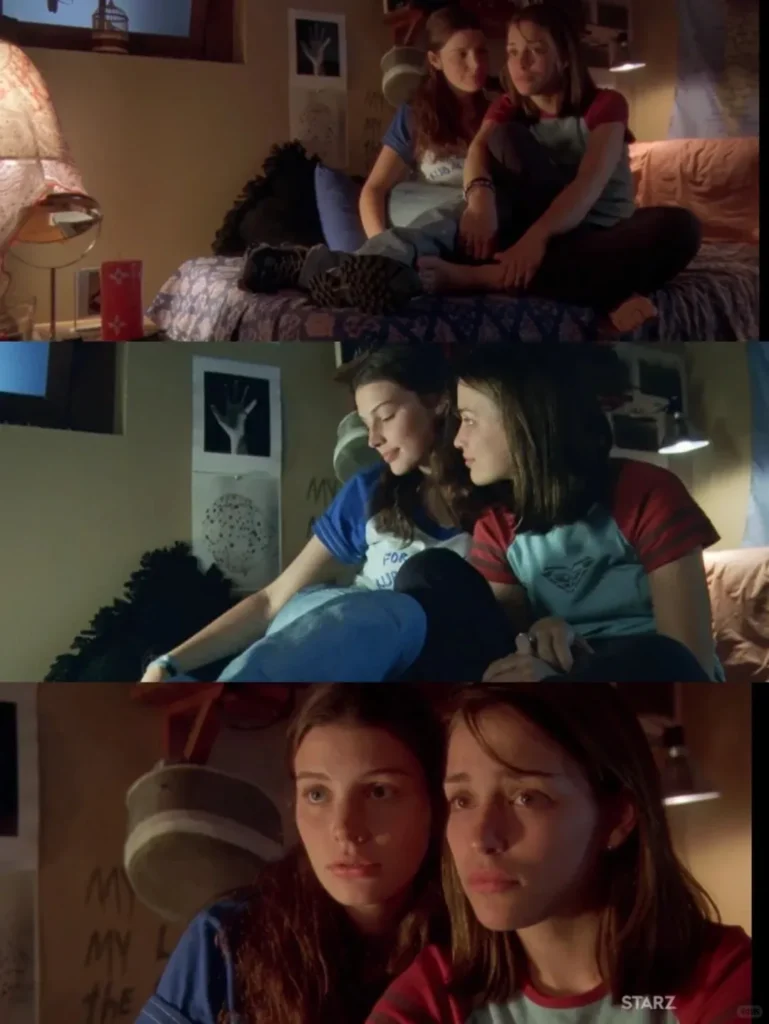
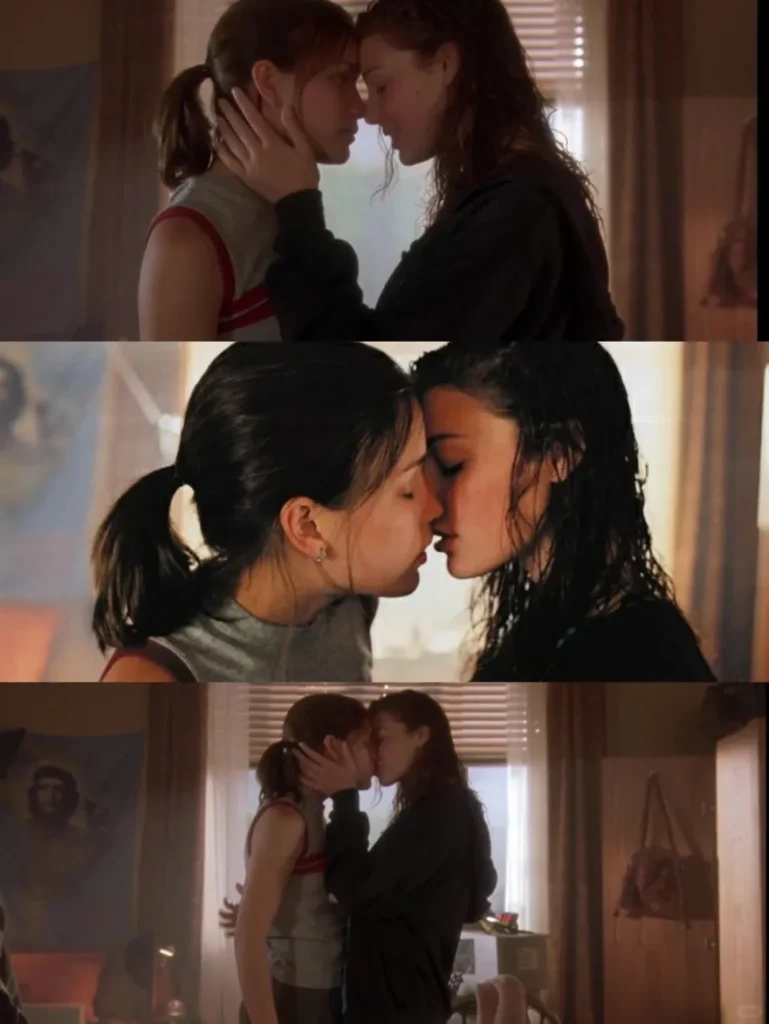
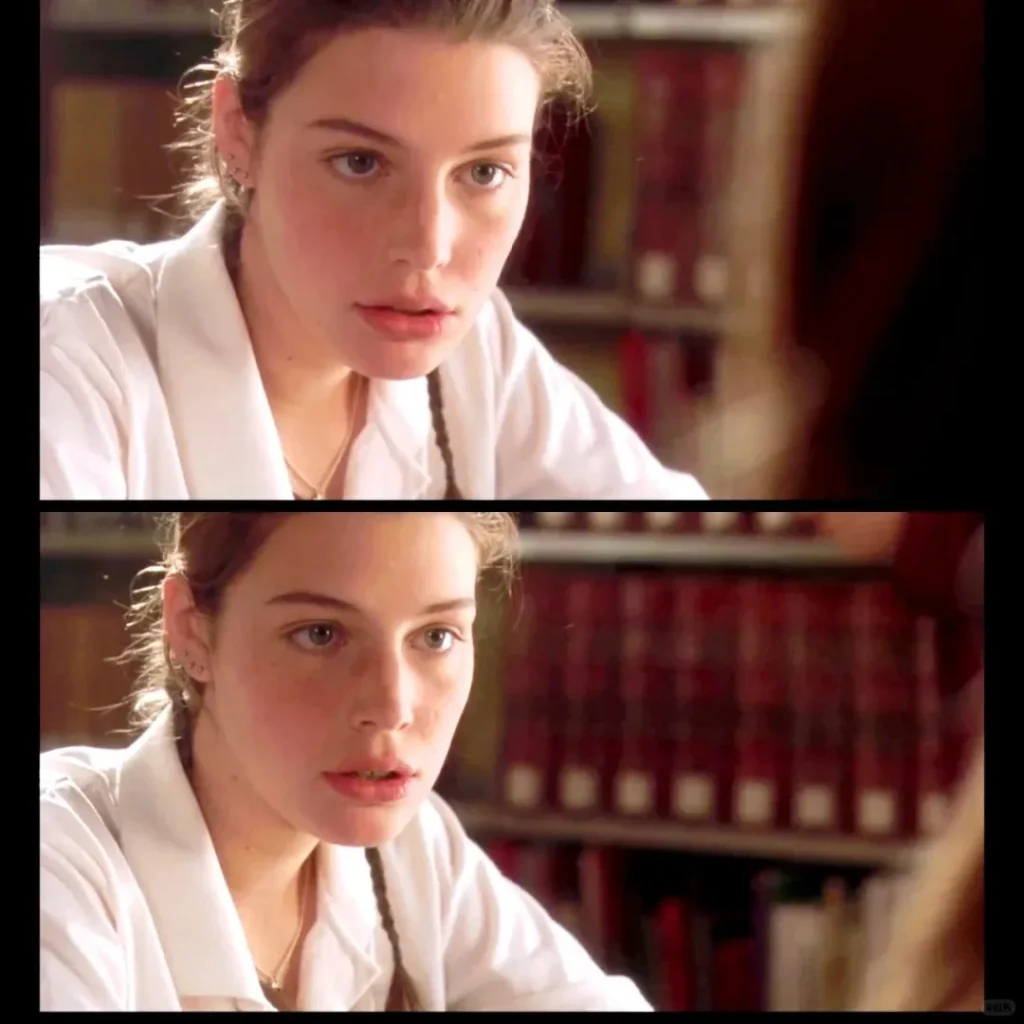


⭐ Story – 4.2 / 5
The plot is simple, yet the emotional impact is overwhelming. This isn’t a story about sexuality—it’s about the violence of conformity. Paulie and Victoria are perfectly matched, but their world refuses to let them exist. The tragedy doesn’t come from within the relationship but from everything outside it: gossip, family, religion, reputation, and fear.
⭐ Acting – 4.5 / 5
Piper Perabo delivers one of the most intense queer performances of the 2000s. Paulie’s pride, desperation, fury, tenderness, and complete emotional collapse are portrayed with frightening honesty. Jessica Paré captures Victoria’s conflict—loving deeply, but terrified of losing her place in the world. Mischa Barton’s Mary is soft, observant, and heartbreaking, grounding the film with her calm presence.
⭐ Chemistry – 4.2 / 5
Their chemistry feels destined: playful, charged, intimate, and full of quiet rituals. They are a perfect match undone only by external pressure. Their scenes—holding hands in choir, dancing silently at a party, whispering in bed—are tender enough to make the tragedy unbearable.
⭐ Production – 4 / 5
Léa Pool shoots the boarding school like a timeless, poetic stage: white sheets, cold hallways, and vast lawns that swallow young girls whole. The lighting is soft and ambiguous, the score full of longing. The atmosphere carries the story’s emotional tension beautifully.
⭐ Ending – 4 / 5
The ending is deeply tragic but entirely earned. Paulie is too proud and too young to understand compromise; Victoria is too afraid to choose love over family. Mary remains the one who survives, carrying both grief and the memory of a love that burned brighter than either girl knew how to hold.
Lost and Delirious Information
Where to Watch
🔒 Not available in your region?
Try using a VPN to access official platforms safely.
👉 We use NordVPN because it’s fast, stable for streaming, and works with most geo-restricted BL/GL titles.