
Some films leave an impression not because of heavy plot twists, but because the emotions feel painfully close to real life. Loving Annabelle is one of those films. It captures that fragile moment when two people recognize something in each other—something forbidden, something inevitable—and suddenly the rules that shaped their entire lives begin to crack.

What moved me most wasn’t the forbidden romance label this story often carries. It was the quiet poetry between a teacher who has spent years burying her emotions and a young woman whose sensitivity, rebellion, and intuitive tenderness slowly pull her into the light. Their connection is intimate, hesitant, and tangled with guilt, yet deeply human.
Loving Annabelle Official Trailer
After being expelled from two previous schools, Annabelle is sent by her senator father to a Catholic girls’ boarding school in hopes that stricter discipline will “fix” her behavior. Instead, she quickly adapts to her new environment—her quiet confidence and unconventional charm drawing the curiosity of her roommates. Simone, the poetry teacher, is assigned to supervise the dormitory and becomes responsible for Annabelle’s group.
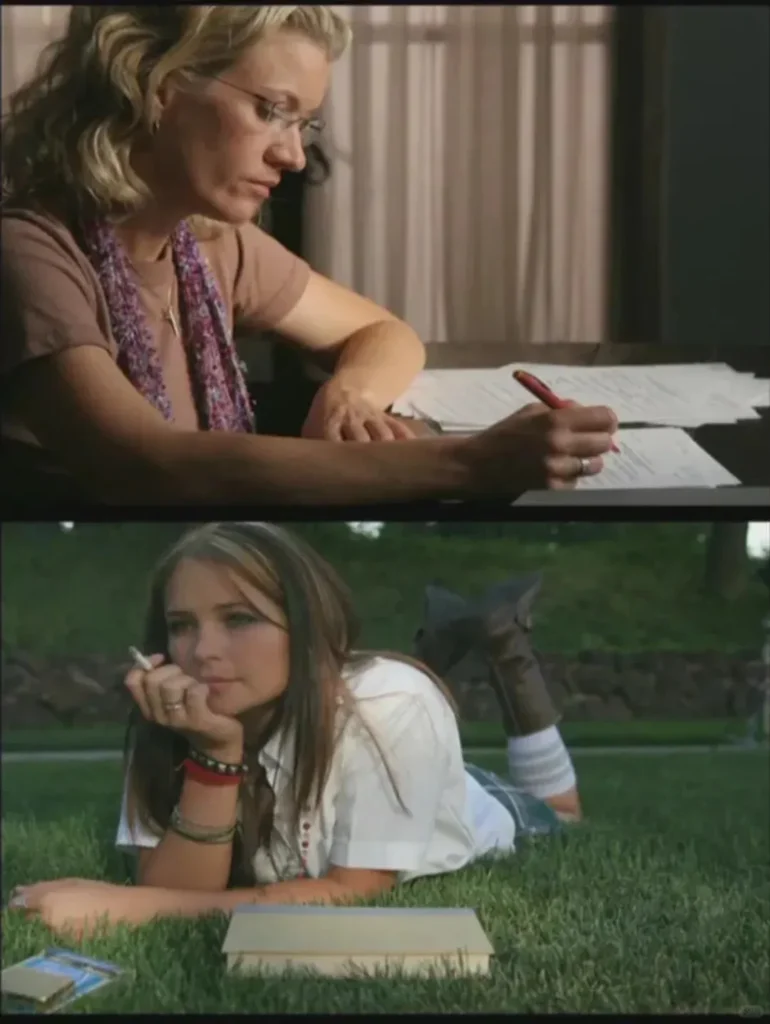
Simone is the kind of teacher who lives carefully within the boundaries set for her: emotionally disciplined, devoted to her students, and committed to the expectations of faith and morality. Annabelle, on the other hand, is bold, perceptive, and unafraid to defy authority—qualities that frustrate Simone at first. She even considers transferring Annabelle to another dorm. But gradually, Simone begins to see a different side of her: a maturity hidden beneath rebellion, a sensitivity expressed through music and silence more than words.
As they spend more time together, an unspoken understanding grows between them. Annabelle’s affection becomes undeniable, while Simone struggles between desire and the immense pressure of her Catholic environment. Simone tries to keep her distance, yet Annabelle’s gentleness and unwavering attention slip through every defense she builds.
The tension becomes impossible to ignore—music, late-night conversations, lingering glances. Their final emotional break happens after Simone’s tears at the beach and her disoriented evening with a man she no longer loves; Annabelle is the one she keeps thinking of. When the boundary finally breaks, it feels both inevitable and devastating.
But this is a love that cannot exist without consequences. Simone eventually takes full responsibility when the school intervenes. Because Annabelle is underage, Simone faces the legal and moral repercussions alone. The ending offers only a faint glimmer of hope, but the heart of the film lies in the journey—every quiet gaze, hesitant touch, and moment of longing that defined the connection between them.
Loving Annabelle Cast
Charactor

A poetry teacher conflicted between duty, religion, and unexpected desire. Her internal struggle forms the emotional core of the film.
Diane Gaidry
Diane Gaidry (1964–2017) was an American actress known for thoughtful, grounded performances. She also appeared in The Dogwalker and Between Two Worlds, leaving a lasting impact on queer cinema audiences for her nuanced portrayals of emotionally complex women.

A sensitive, rebellious young woman whose intuition, grace, and emotional clarity slowly break through Simone’s defenses.
Erin Kelly
Erin Kelly is an American actress whose role in Loving Annabelle remains her most iconic performance. Known for blending vulnerability with quiet confidence, she brought Annabelle’s complexity to life with sincerity.
Director

Katherine Brooks
Katherine Brooks is a filmmaker known for her emotional, character-centered storytelling, often exploring themes of rebellion, longing, and the quiet fractures inside institutions like religion and family. With Loving Annabelle, she crafted a restrained yet deeply intimate look at forbidden connection, using soft visuals and understated dialogue to reveal the emotional weight behind every choice. Brooks’ work frequently focuses on women navigating identity and desire, and this film remains her most enduring contribution to lesbian cinema.
BEST SCENES
The beach scene where Simone cries
A raw moment showing her emotional collapse and inner conflict.Annabelle’s music playing at night
A symbol of her longing and her unspoken confessions.The dimly lit conversation in Simone’s room
One of the film’s most intimate scenes, built entirely on eye contact and restraint.The final departure shot
Simone leaving down the same road Annabelle arrived—poetic, painful, unforgettable.The quiet moments of defiance
Every time Annabelle looks at Simone with soft determination, the story moves forward without words.
Loving Annabelle Review
Review
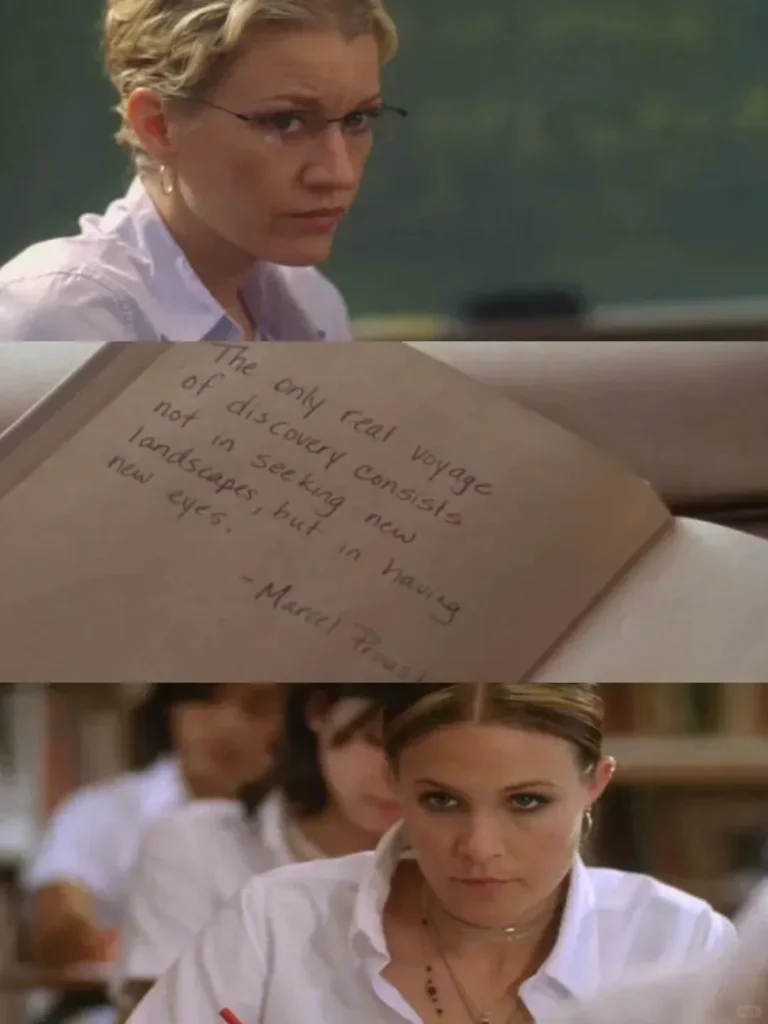
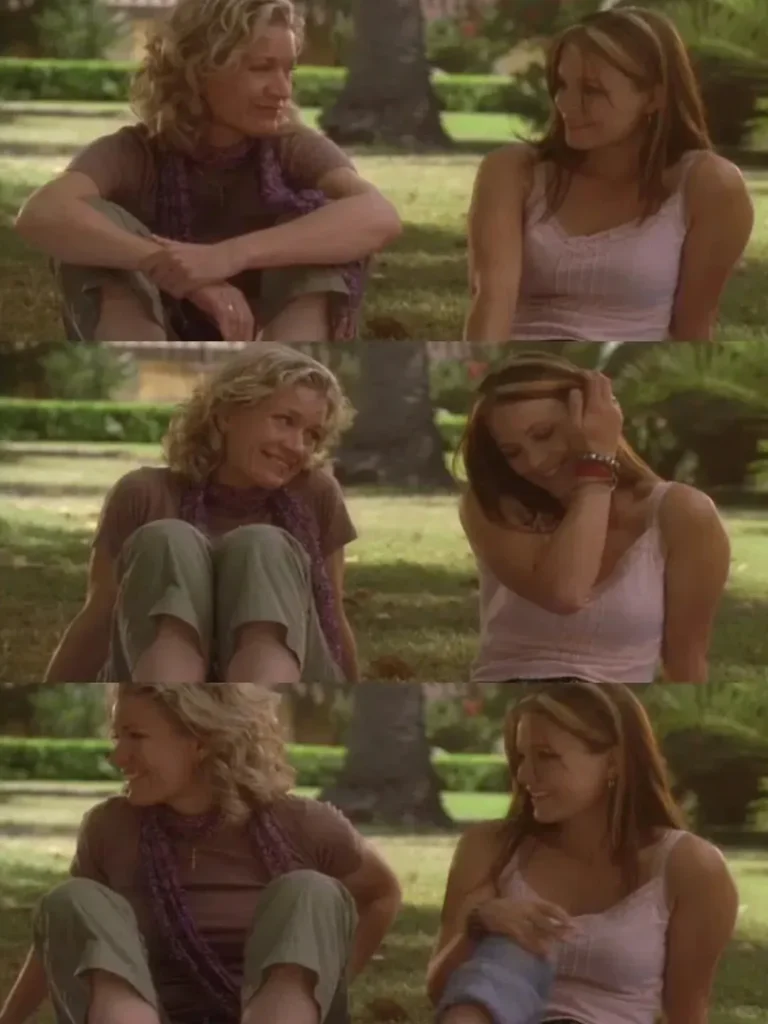
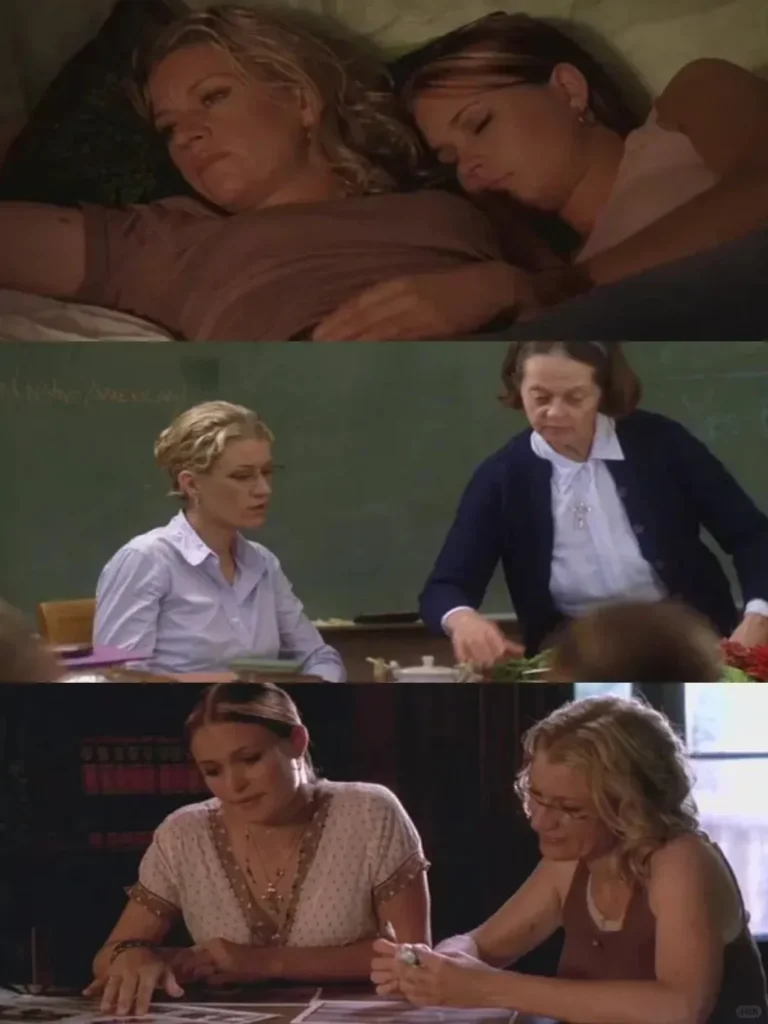
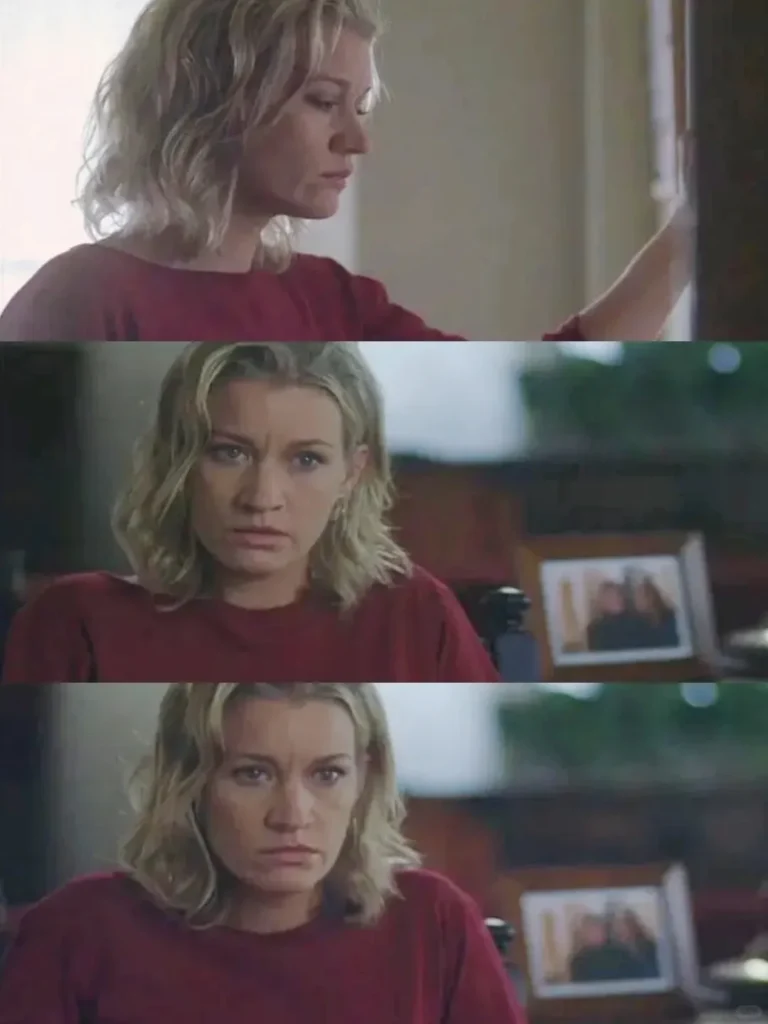
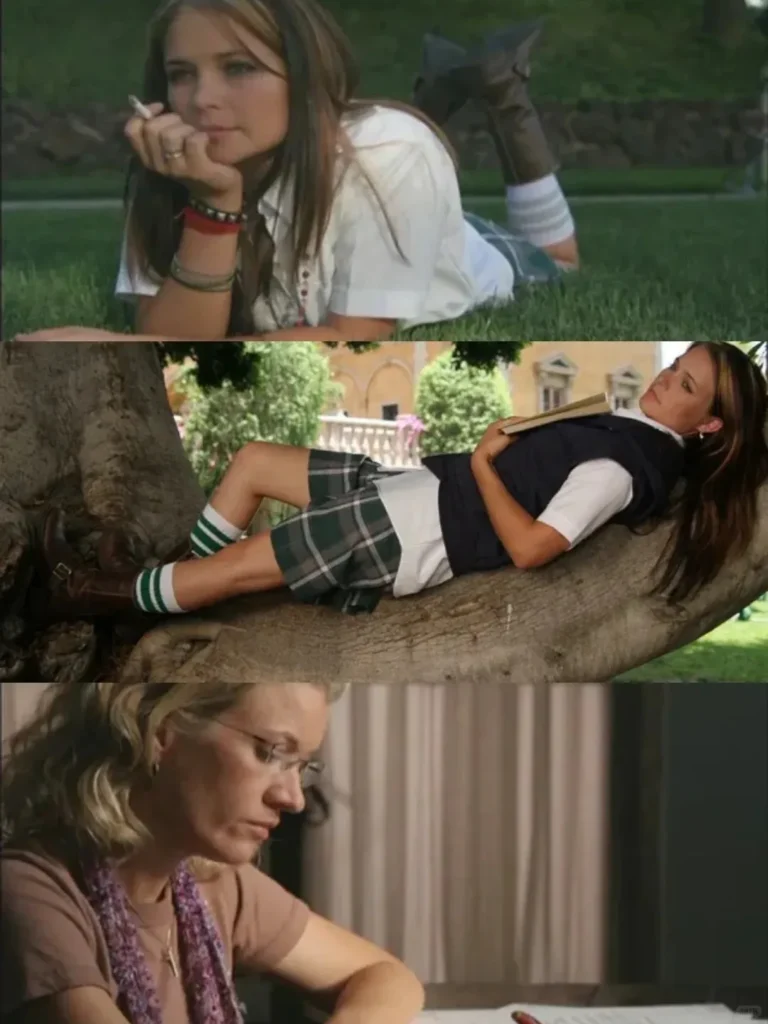
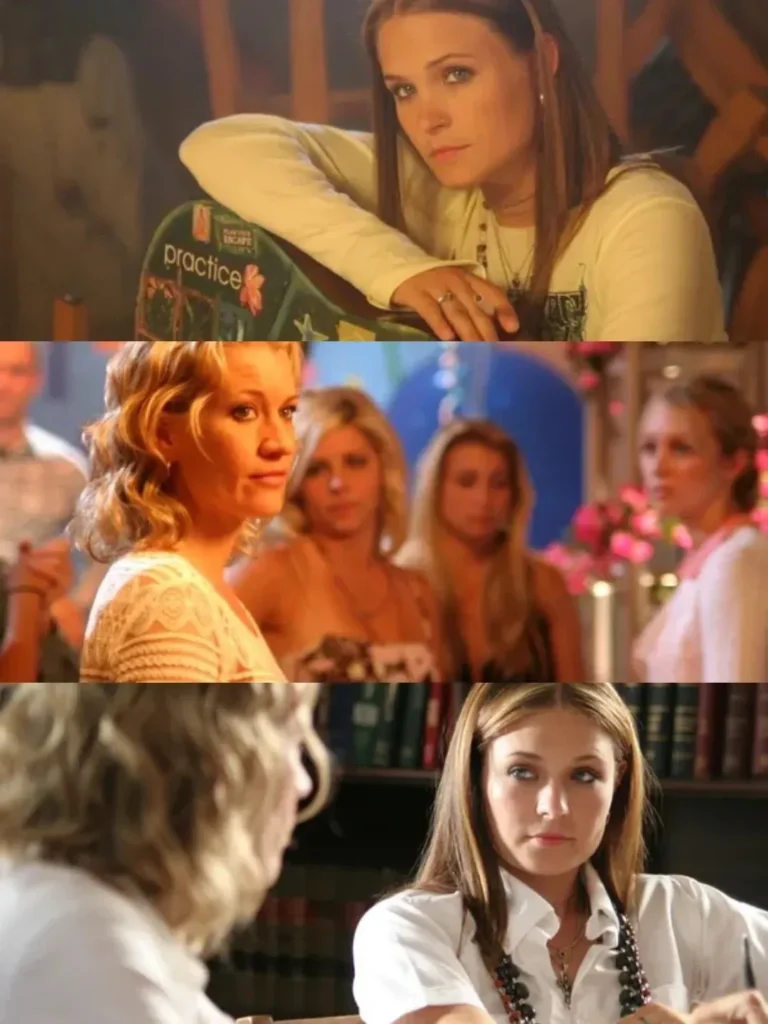

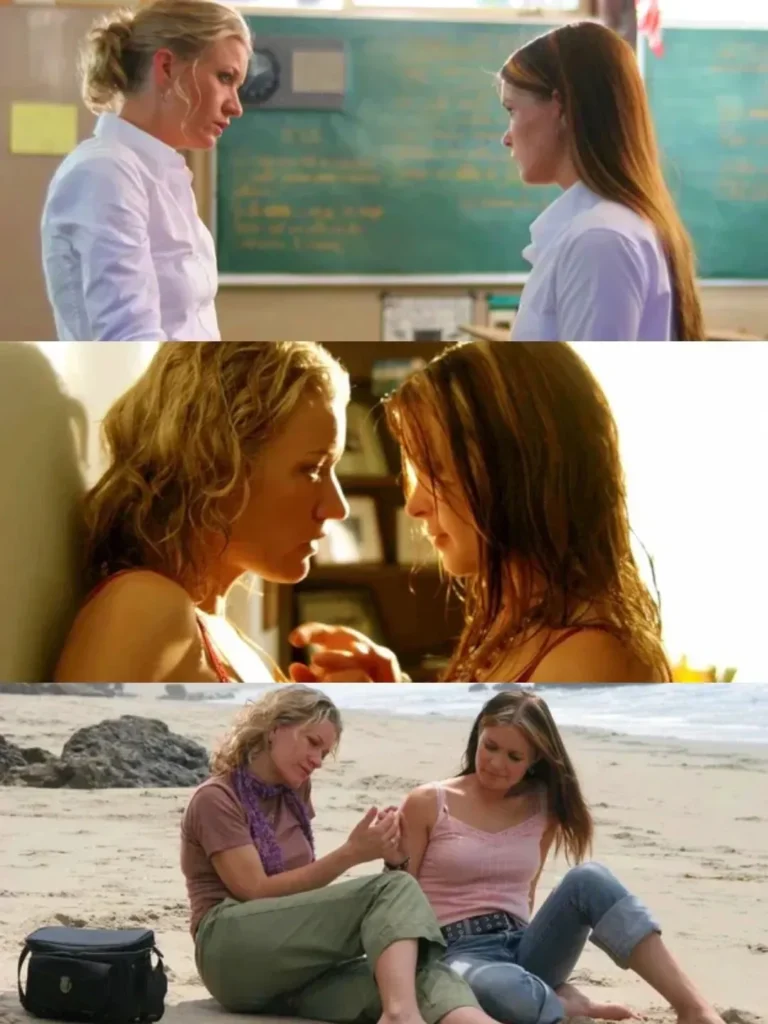
⭐ Story – 4.2 / 5
The narrative is simple yet emotionally rich. What stands out is not the “teacher–student” framing, but the internal landscapes: Simone’s fear, Annabelle’s unwavering affection, and the suffocating weight of Catholic expectations. The film captures that painful distance between two people who love each other but cannot exist together without destroying their lives. It is quiet, poetic, and full of emotional undertones.
⭐ Acting – 4.4 / 5
Simone is portrayed with exquisite restraint—her calm demeanor constantly cracking under the pressure of feelings she cannot name. Her performance is full of small gestures: a pause, a glance, a trembling breath. Annabelle, meanwhile, blends rebellion with vulnerability. Her attention, her boldness, her precise emotional intuition make the dynamic believable. Their performances intertwine delicately, never loud but always affecting.
⭐ Chemistry – 4.5 / 5
The film builds intimacy through subtext—stolen glances, soft lighting, and moments where touch speaks louder than dialogue. The slow-burn tension is handled with a level of grace rarely seen in teacher–student narratives. Nothing feels exploitative; instead, their connection feels rooted in recognition and emotional resonance. The chemistry is unmistakably present, but never sensationalized.
⭐ Production – 4.0 / 5
Soft lighting, quiet dorm hallways, the ocean, and warm, ambiguous sound design work together to create a dreamy, restrained atmosphere. The film’s aesthetic leans melancholic, almost European in mood. The score and muted color palette both enhance the story’s emotional ambiguity—everything feels suspended, somewhere between desire and restraint.
⭐ Ending – 3.8 / 5
The final sequence is bittersweet. Simone takes responsibility, fully aware of the consequences, while Annabelle watches helplessly. The last scene—Simone riding away along the same road Annabelle once arrived by—has the weight of inevitability. The film offers a hopeful final note, but the emotional truth remains: their moment was real, but it could not last.
Loving Annabelle Information
Where to Watch
🔒 Not available in your region?
Try using a VPN to access official platforms safely.
👉 We use NordVPN because it’s fast, stable for streaming, and works with most geo-restricted BL/GL titles.