The Watermelon Woman is more than just a film — it’s a piece of cinematic history.
Written, directed, and starred by Cheryl Dunye, it stands as the first feature film ever made by a Black lesbian filmmaker. Through humor, wit, and sharp self-awareness, Dunye uses a mockumentary structure to rewrite forgotten histories and challenge who gets to be remembered in film archives.
The result is a funny, subversive, and deeply personal reflection on race, sexuality, class, and self-definition — told through the lens of a woman trying to make a film about a forgotten Black actress known only as “The Watermelon Woman.”
The Watermelon Woman Official Trailer
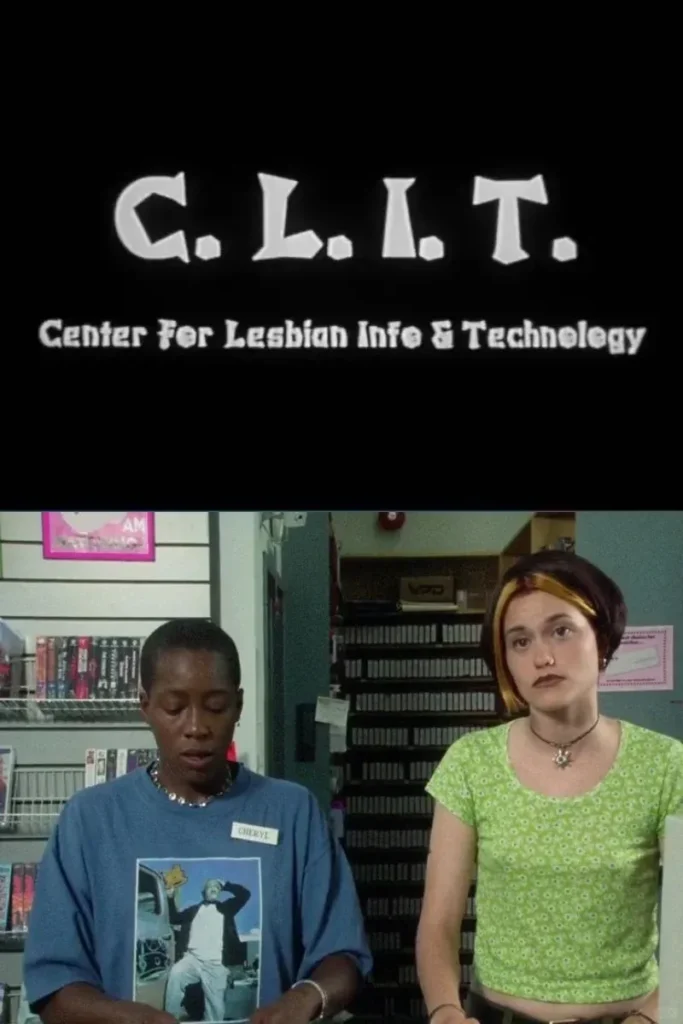
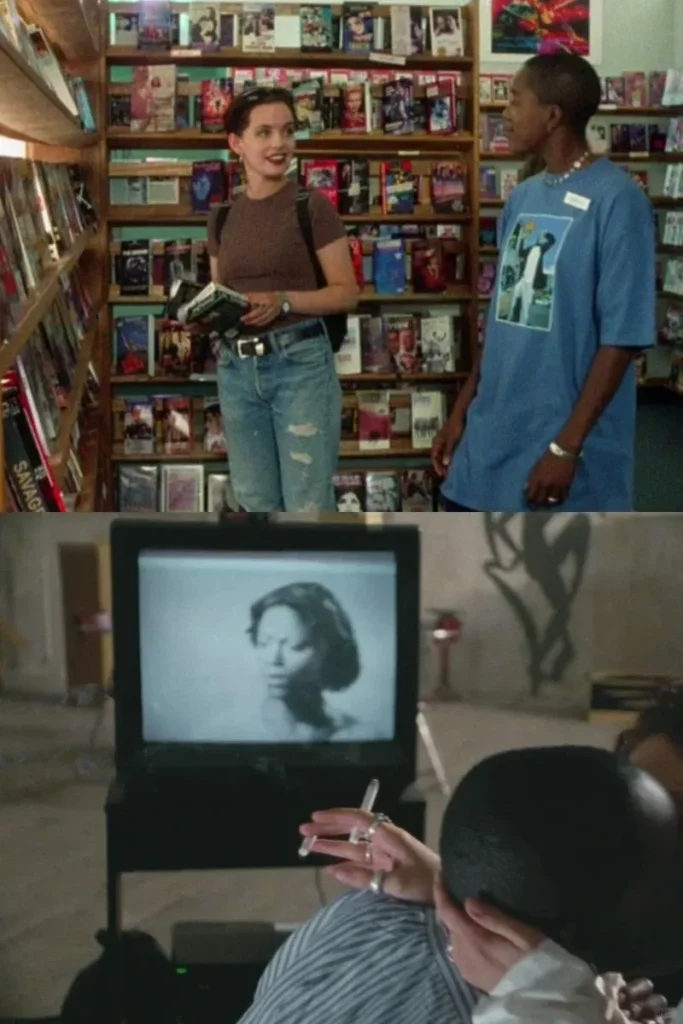
Cheryl works at a video rental store in Philadelphia, surrounded by queer friends and endless shelves of VHS tapes. During her downtime, she becomes fascinated by a mysterious 1930s Black actress credited only as “The Watermelon Woman.” Determined to uncover her story, Cheryl begins filming a documentary — part real, part imagined — to piece together this lost life.
Her search takes her through libraries, archives, and interviews with historians, friends, and skeptics. Along the way, she uncovers how Black women in early Hollywood were stereotyped, erased, or forced into “mammy” roles — their humanity hidden behind whitewashed narratives.
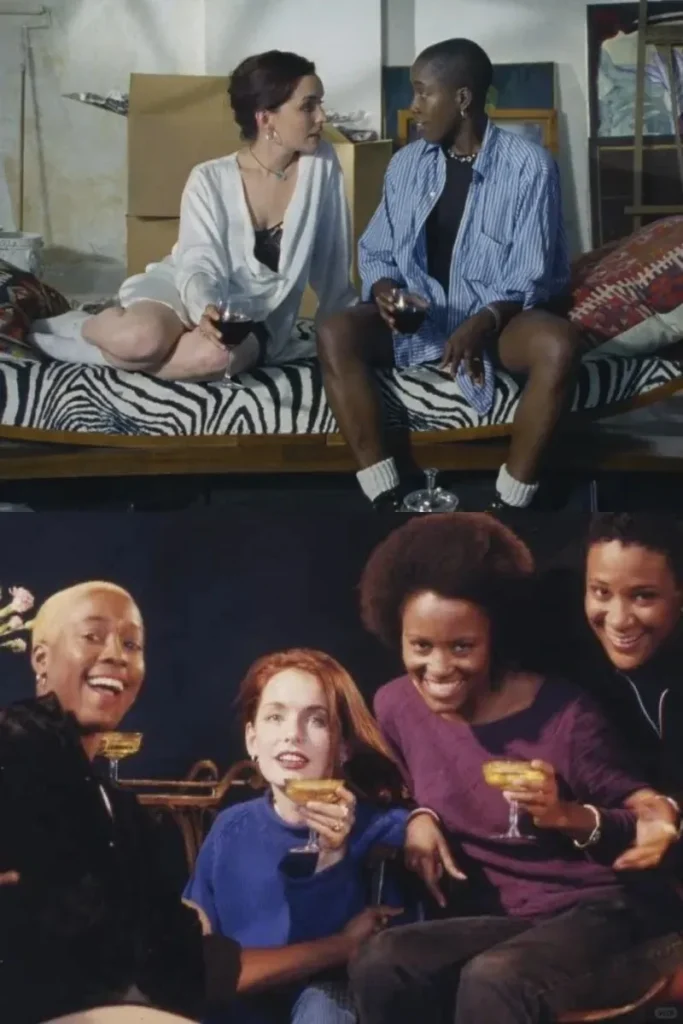
As Cheryl’s investigation deepens, her personal life starts to mirror her project. She begins a romance with Diana, a charming white customer, sparking friction with her best friend Tamara, who distrusts Diana’s privileged worldview. Through love, frustration, and creative struggle, Cheryl’s journey becomes both an act of filmmaking and self-discovery — asking: “If history won’t record us, how do we record ourselves?”
The Watermelon Woman Cast
Charactor
An aspiring filmmaker obsessed with rediscovering forgotten Black actresses. Her determination turns her personal quest into political art.
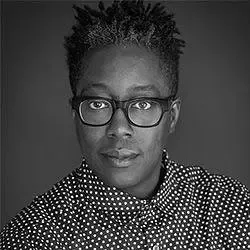
Cheryl Dunye
Cheryl Dunye is a Liberian-American filmmaker and one of the pioneering voices in New Queer Cinema. Known for blending fiction, autobiography, and documentary, she has directed works like The Owls (2010) and Stranger Inside (2001), and later episodes of Lovecraft Country and Queen Sugar.
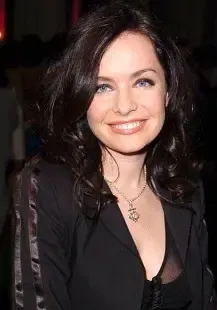
A sophisticated white customer who becomes Cheryl’s lover. Her charm masks layers of privilege and unconscious bias.
Guinevere Turner
Guinevere Turner co-wrote American Psycho and The Notorious Bettie Page, and is also the co-creator of the lesbian classic Go Fish (1994). Her presence bridges two major moments in lesbian film history.
Director
Cheryl Dunye
Cheryl Dunye is a Liberian-American filmmaker and one of the pioneering voices in New Queer Cinema. Known for blending fiction, autobiography, and documentary, she has directed works like The Owls (2010) and Stranger Inside (2001), and later episodes of Lovecraft Country and Queen Sugar.
BEST SCENES
📍 “Watching Fae on Screen.”
As Cheryl and Diana watch an old film featuring Fae Richards (the “Watermelon Woman”), the movie within the movie shows Fae slapping a Black girl who dreams of being white. As that scene plays, Cheryl and Diana begin to kiss. The film image and their bodies blur together — past and present, desire and history — merging into one haunting, erotic tableau. It’s not just love; it’s reclamation.
The Watermelon Woman Review
Review
Story (5/5)
At its core, The Watermelon Woman is about reclaiming a voice from silence. What begins as a playful search for an obscure actress evolves into a meta-commentary on who writes history, and who gets left out. The structure — blending real interviews, fictional archives, and moments of self-parody — is brilliantly postmodern yet accessible. It mirrors the fragmentation of Black queer identity in the 1990s: both invisible and hyper-visible.
The film captures the tension between desire and identity politics, asking: Can love transcend race, or does race always define love in America? Dunye answers not with theory, but with lived emotion and humor.
Acting (4.5/5)
Cheryl Dunye’s performance feels refreshingly unfiltered — sometimes awkward, sometimes hilarious, always sincere. Her charm carries the film’s meta-layered tone effortlessly. Valerie Walker as Tamara is pure comedic gold — her sharp wit and side-eye deliver some of the funniest moments while grounding the story in real friendship. Guinevere Turner (of Go Fish) brings a seductive confidence to Diana, balancing allure and tone-deaf privilege with unsettling realism.
Chemistry (4/5)
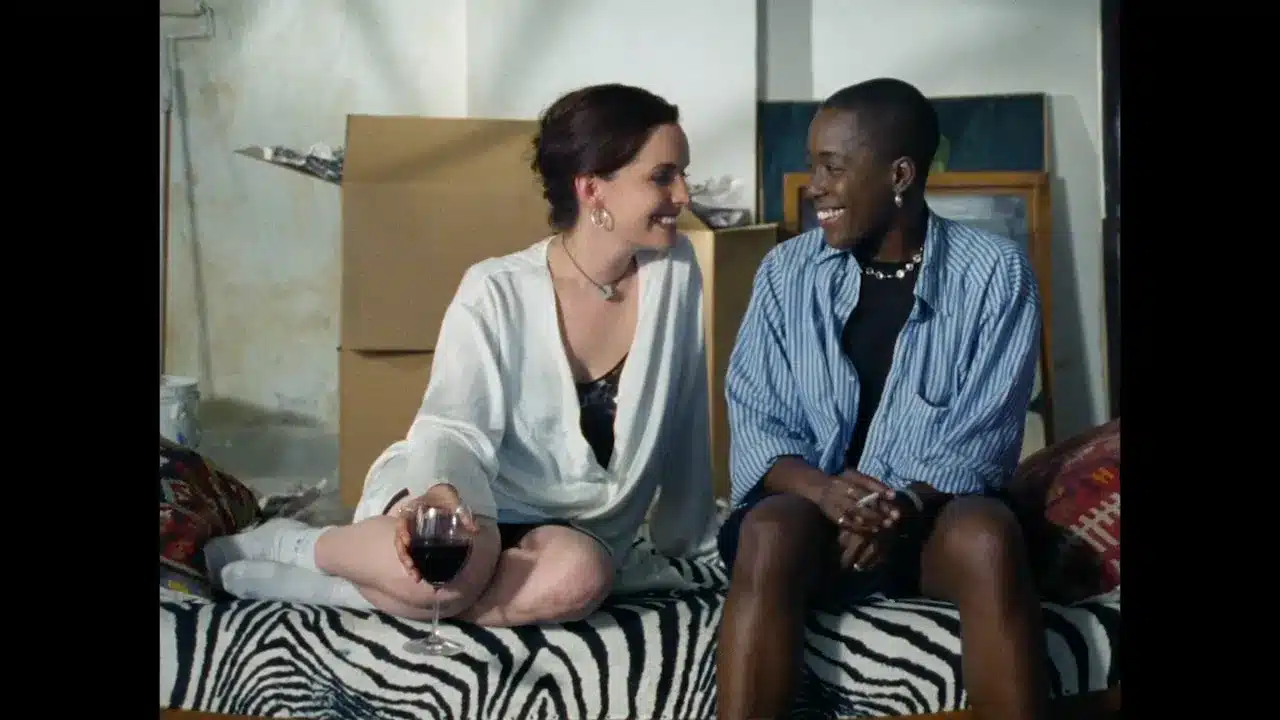
The interracial relationship between Cheryl and Diana is both sensual and political. Their intimacy — especially the living room smoking-and-flirting scene — radiates real chemistry. Yet the film never romanticizes their connection; it interrogates it. Through their dynamic, Dunye critiques how white women sometimes “collect” Black partners as proof of open-mindedness, mirroring colonial patterns disguised as inclusivity. The resulting tension feels uncomfortably authentic.
Production (4.5/5)
Shot with a mix of 35mm and 16mm film, the visual texture itself becomes part of the storytelling. The crisp 35mm segments capture the vibrant queer life of 1990s Philadelphia, while the grainy 16mm sequences simulate the “archival” documentary within the film. Dunye’s use of fabricated footage — staged as historical evidence — brilliantly blurs fact and fiction. The editing, full of jump cuts and still-photo inserts, gives the film a kinetic DIY rhythm. And the soundtrack — a mix of jazz, blues, and hip-hop — anchors the story in the sonic soul of Black America.
Ending (5/5)
The film concludes not with resolution, but revelation: Cheryl never truly finds “The Watermelon Woman.” Instead, she creates her — turning absence into existence. It’s a radical statement about self-representation: when your history has been erased, invent it yourself. The final message resonates beyond cinema — it’s about survival, creativity, and the right to define one’s own narrative.
💬 My Take
Watching The Watermelon Woman feels like time-travel — from 1930s Hollywood to 1990s Philadelphia, yet every scene speaks directly to the present.
It reminded me of Spike Lee’s Do the Right Thing in how it captures community dynamics and racial tension with both realism and irony. But unlike Lee’s outward protest, Dunye’s resistance is intimate and interior — filtered through humor, sexuality, and the search for belonging.
The most powerful scenes aren’t the loudest ones. They’re the moments where Cheryl faces contradictions — being Black in a white-dominated art world, being queer in a heteronormative society, and being both in a history that rarely recorded either.
That living-room seduction — cigarette smoke curling between laughter and film reels — is one of the sexiest, most meaningful love scenes in queer cinema. Not because of nudity, but because it’s about seeing and being seen.
In the end, Dunye gives us a paradox: a fake documentary that tells the truest story of all — that when your identity is denied, the act of creation becomes rebellion.
The Watermelon Woman Information
Awards & Recognition
Teddy Award for Best Feature Film – Berlin International Film Festival (1996) 🏅
Outstanding Emerging Talent Award – Los Angeles Outfest (1996)
Screened at Toronto International Film Festival, New York Lesbian & Gay Film Festival, and Sundance Institute screenings
Now preserved in the Criterion Collection and recognized by the Library of Congress National Film Registry (2021) for its “cultural, historical, and aesthetic significance.”
Where to Watch
🔒 Not available in your region?
Try using a VPN to access official platforms safely.
👉 We use NordVPN because it’s fast, stable for streaming, and works with most geo-restricted BL/GL titles.