
You Can Live Forever is set in the early 1990s, but emotionally, it feels timeless in the way it captures first love colliding with belief, fear, and self-deception. Watching it as a WLW viewer, I wasn’t struck by how dramatic the story is — because it’s not — but by how painfully recognizable the emotional patterns are.
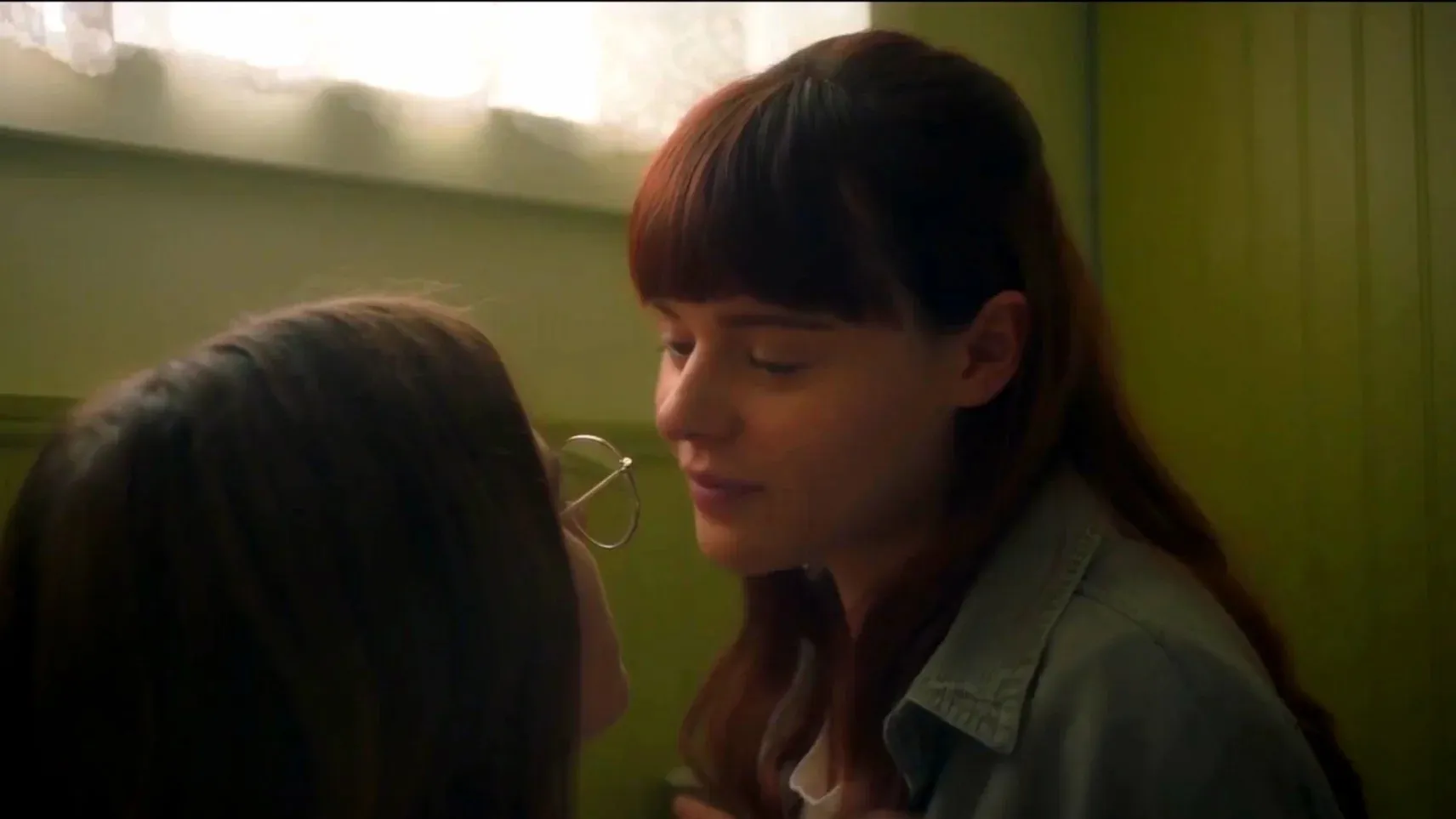
This is a film about falling in love quietly, loving desperately, and losing not just a person, but the version of yourself you almost dared to become.
You Can Live Forever Official Trailer
After her father’s death, Jaime — a teenage girl in the middle of adolescence — is sent to live with relatives who are devout Jehovah’s Witnesses. It’s a closed, orderly world with clear rules about faith, morality, and the future.

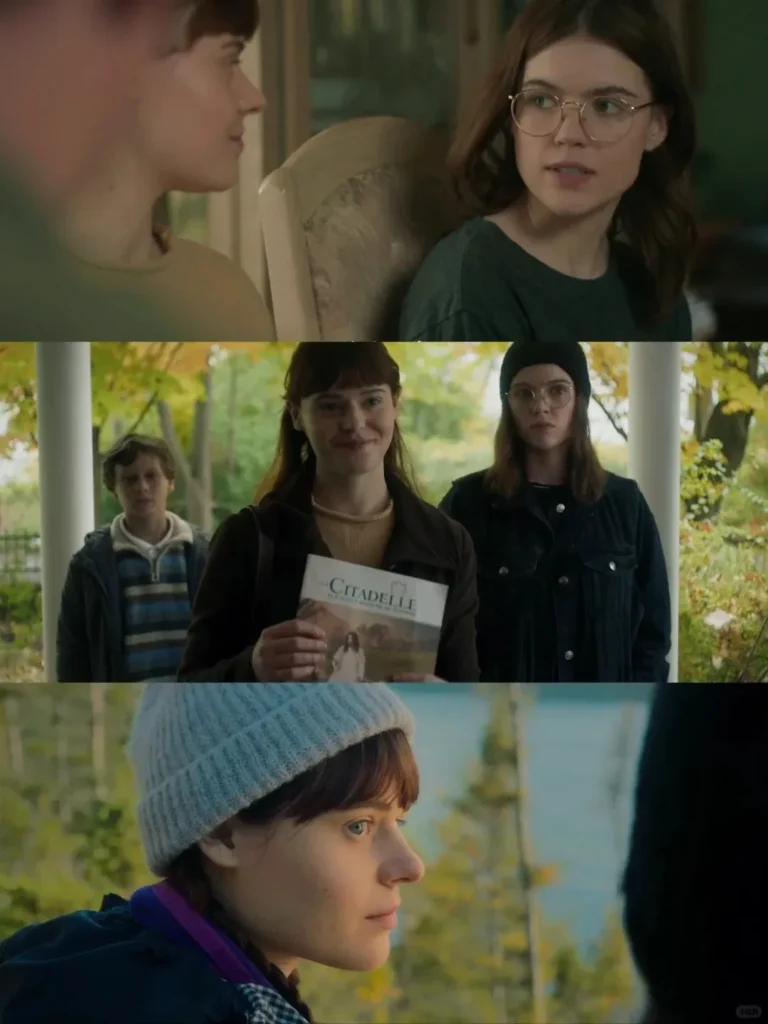
There, Jaime meets Marike, the daughter of a respected elder in the congregation. Their connection is immediate and unspoken. What follows is a secret, wordless relationship — stolen touches, shared silences, moments that hover between devotion and desire.
As their bond deepens, it becomes harder to hide. The religious community notices. Pressure builds. Eventually, the girls are forced into an impossible position: choose faith, or choose love.
You Can Live Forever Cast
Charactor

Jaime is a grieving teenager sent to live in a deeply religious household, emotionally adrift but instinctively honest about what she feels. She falls in love without having the language or the safety to protect herself, and that openness becomes both her strength and her vulnerability.
Anwen O'Driscoll
Anwen O’Driscoll gives Jaime a raw, unpolished presence that feels age-accurate and emotionally transparent. I could always read what Jaime was feeling even when she didn’t know how to say it herself. Her performance makes Jaime’s final choice feel lonely rather than heroic, which keeps the character grounded and painfully real.

Marike is the daughter of a Jehovah’s Witness elder, raised inside a belief system that gives her certainty, structure, and a promised future. Her love for Jaime grows quietly, wrapped in tenderness, denial, and spiritual rationalization rather than rebellion.
June Laporte
June Laporte plays Marike with soft confidence and emotional restraint, never signaling her inner conflict too clearly. What struck me is how sincere she feels even when she’s choosing self-deception. By the time she says she can “believe enough for both of them,” it doesn’t sound manipulative — it sounds like something she truly believes, and that’s what makes her so haunting.
Director

Sarah Watts & Mark Slutsky
You Can Live Forever feels like a film made from emotional memory rather than ideological distance. Watts and Slutsky avoid turning the story into a debate about religion or queerness, choosing instead to stay close to the girls’ inner hesitation. Their direction favors silence, pauses, and physical closeness over explanation, which sometimes makes the film feel rough, but also deeply sincere. For me, that restraint is what allows the story’s emotional conflict to linger rather than resolve neatly.
You Can Live Forever Review
Review



My Take: Why I Understand Marike More Than Jaime
Most viewers seem to gravitate toward Jaime — the girl who knows what she wants, loves boldly, and eventually leaves. But for me, Marike is the more haunting character, because she feels far more familiar.
Marike is what many of us look like when we fall in love for the first time:
naive to the point of self-deception, building stories that feel comforting enough to survive in.
The film looks simple on the surface — an outsider enters a sheltered world, falls in love, and is pushed back into reality. But simplicity demands precision. What matters is how love happens, how deep it goes, and what it costs to climb out of it.
Falling in Love: Control, Temptation, and Fear
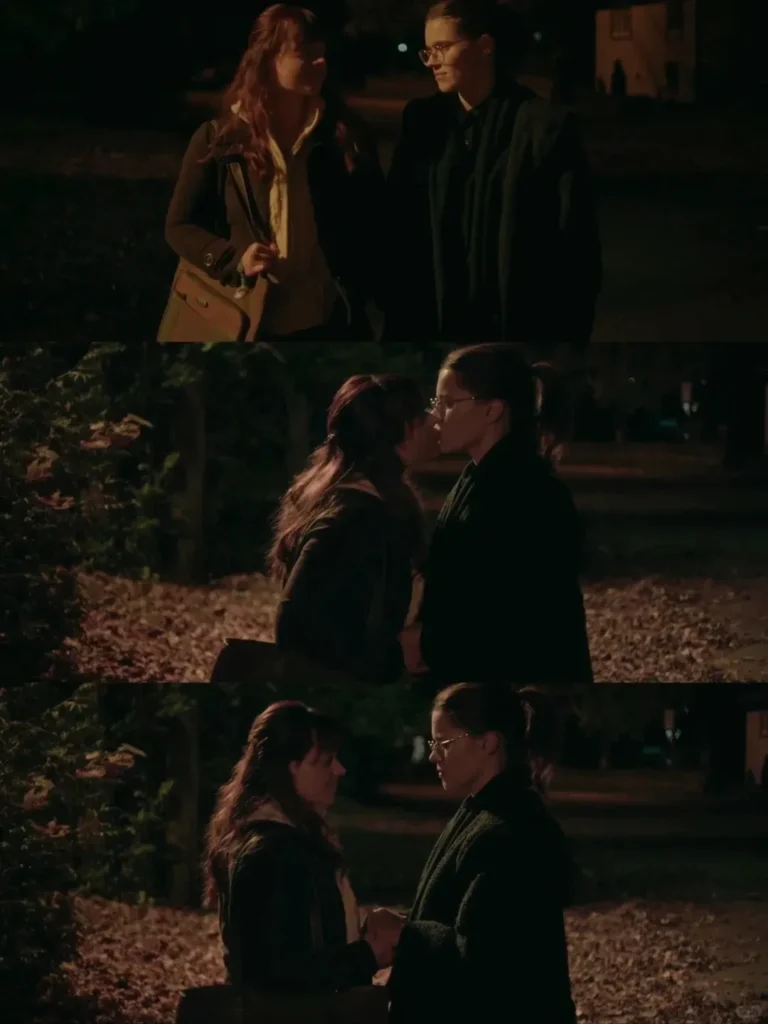
The way they fall in love is subtle but unsettling. Often, it feels like Marike is the one leading — wrapping Jaime from behind, guiding her hands, pulling her close — only to pull away again. She invites Jaime into religious rituals, prays with her, then kisses her. She reaches out, then refuses touch.
At first, I couldn’t fully understand her behavior.
Only later did it click: Marike isn’t fearless — she’s reframing everything as a test.
Growing up in a religious town where even video games are foreign, how could she not panic when realizing she desires another girl? The answer is that she does panic — she just disguises it with belief. She convinces herself that this love is something Jehovah will eventually allow.
That’s how she can smile and say, calmly,
“I’ll talk to him. I know what to say.”
even when Jaime is already spiraling.
Faith as Self-Deception, Love as Justification
Marike doesn’t accept this love easily. She gives it a reason. A system. A future fantasy where everything will make sense.
She believes in the “new system.”
She encourages Jaime to get baptized — not just out of faith, but out of love.
She brings Jaime into activities, partly to spend time together, partly to make her acceptable to Jehovah.
And when Jaime finally says, “I don’t believe in it,” Marike responds with the line that quietly breaks everything:
“I can believe enough for both of us.”
That’s the moment Jaime understands she has to leave alone.
Because love, when mixed with belief, can become a form of self-betrayal — and sometimes the person being deceived and the deceiver are the same.
Ending & Emotional Aftermath
Marike chooses the arranged engagement.
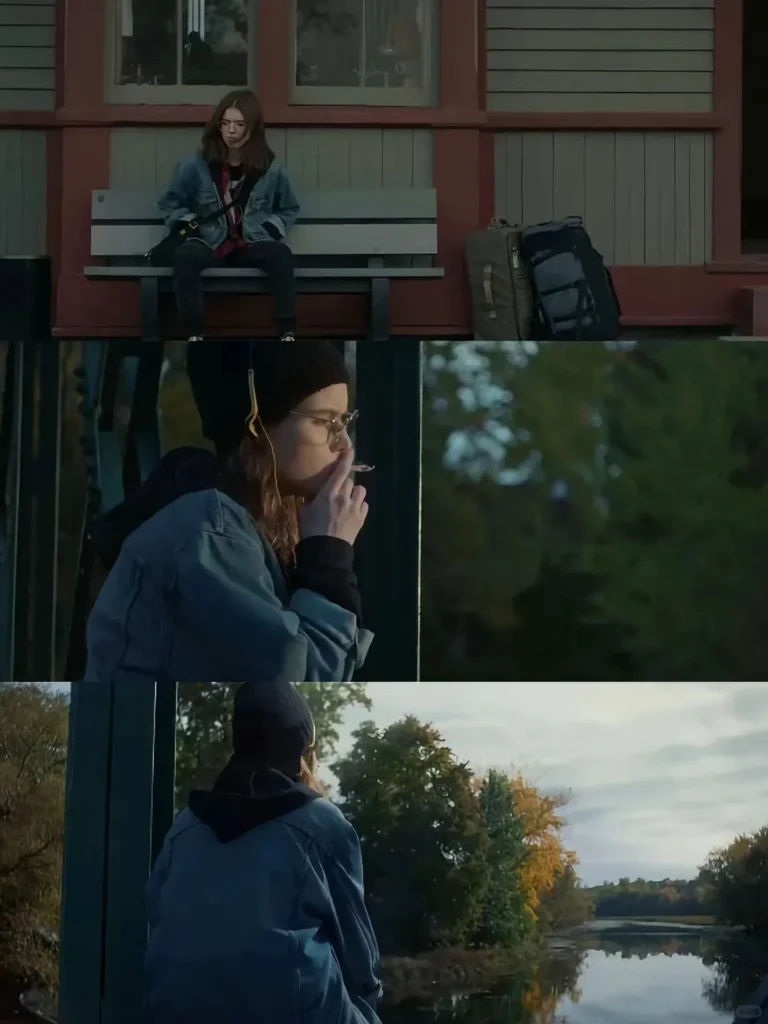
Jaime returns to her previous life.
What’s left is not closure, but a gap — a memory that doesn’t reconnect to the life that comes after. It just stays there, unresolved.
The film itself isn’t technically polished. The script and pacing feel uneven at times. But the emotional sincerity carries it through.
There’s one cinema scene where I almost pulled myself out of the film — ready to critique — only to be dragged right back in by the bathroom embrace that follows. That moment reminded me why I stayed.